


21 Classic Movie Facts So Wild They Sound Completely Made Up
21 Classic Movie Facts So Wild They Sound Completely Made Up

Brian GalindoSat, July 11, 2026 at 10:31 PM UTC
0
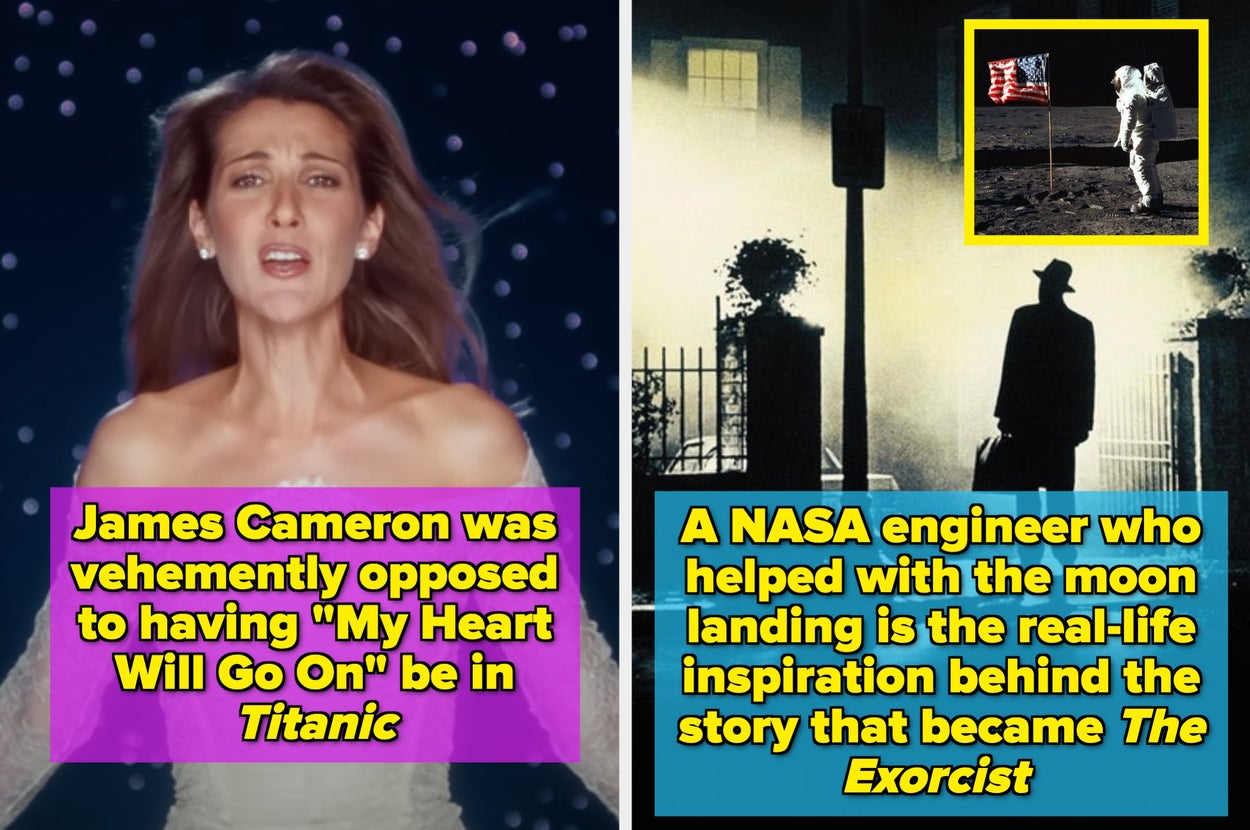
Warner Bros. / Viayoutube.com1. "Somewhere Over the Rainbow" was almost cut from The Wizard of Oz. I know it's hard to believe that anyone would think of cutting one of the most iconic movie songs of all time, but MGM executives considered removing the scene because they thought it dragged down the film's momentum. They worried that the quiet moment would slow the story just as the plot was picking up speed.Some also felt the setting — a simple barnyard — didn't match the movie's big, colorful spectacle. On top of that, the song itself struck them as sad, and they feared audiences wouldn't respond well to something so melancholy, and that they wanted excitement and sparkle. Luckily, for all of us, the executives made the right choice in the end.
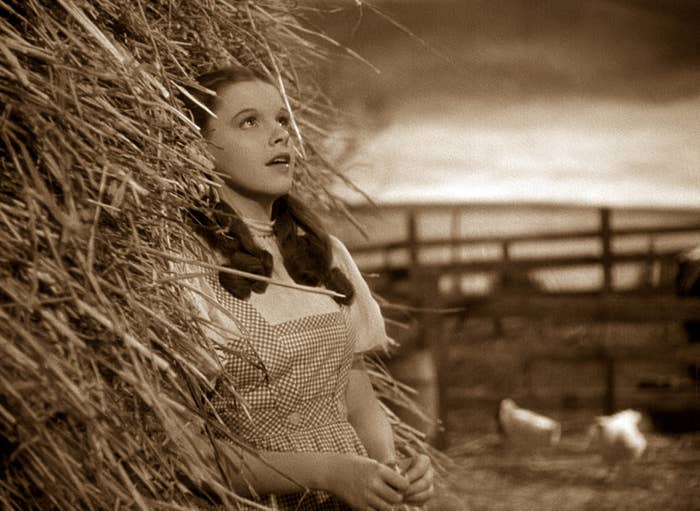
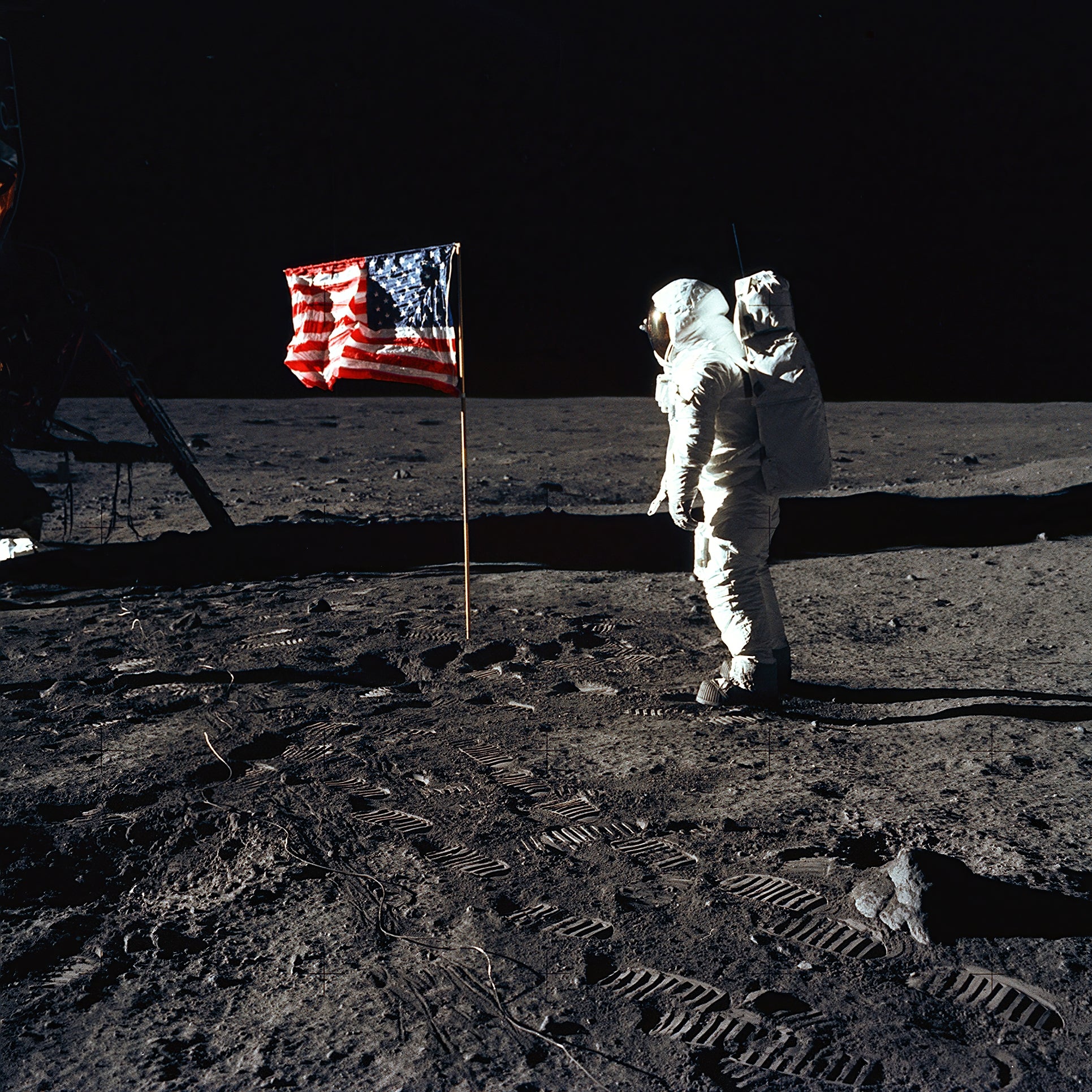
Courtesy Everett Collection2. A NASA engineer who helped with the Apollo 11 moon landing in 1969 was also the real‑life inspiration behind the story that became The Exorcist. As a 14‑year‑old boy, Ronald Edwin Hunkeler was at the center of a widely reported 1949 case of supposed demonic possession and exorcism. The story later caught the attention of author William Peter Blatty when Eugene Gallagher, a priest and professor at Georgetown University, told it to him. For decades, his identity was hidden behind the name "Roland Doe," and the tumultuous events were used as the basis for Blatty's 1971 novel and the 1973 horror film. Though Blatty's book was fictional, changing the story to a famous movie star and her daughter, Regan, being possessed.
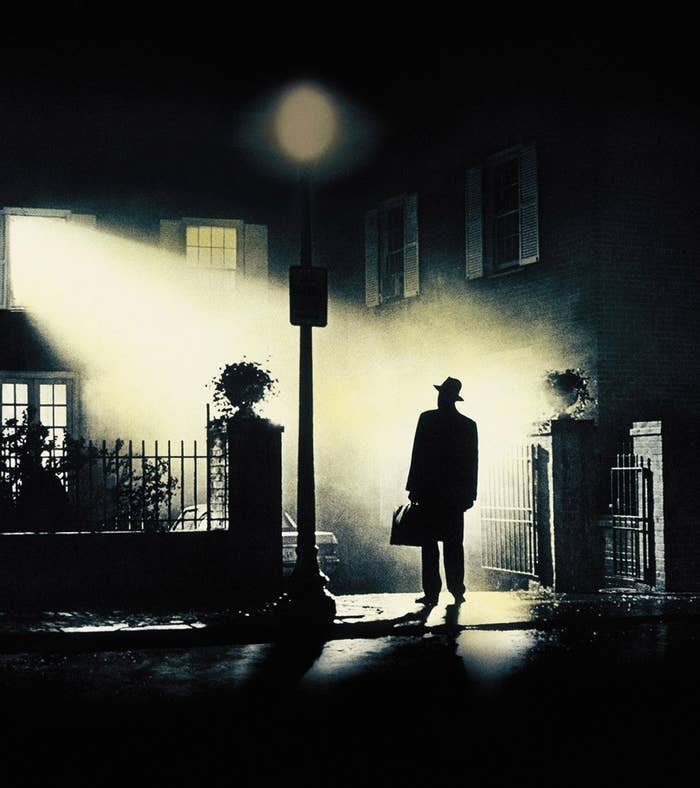
LMPC / LMPC via Getty ImagesBecause of the alias, Hunkeler was able to live an anonymous life and grew up to become an engineer at NASA, and contributed to the technology and missions that would send humans to the Moon. He worked at the agency for nearly 40 years and retired in 2001. Despite his successful career, he lived with the worry that people would discover his connection to the eerie story from his youth. Hunkeler died in 2020 at age 85, and only then was he openly identified as the boy whose early experiences inspired one of the most famous horror tales ever told.
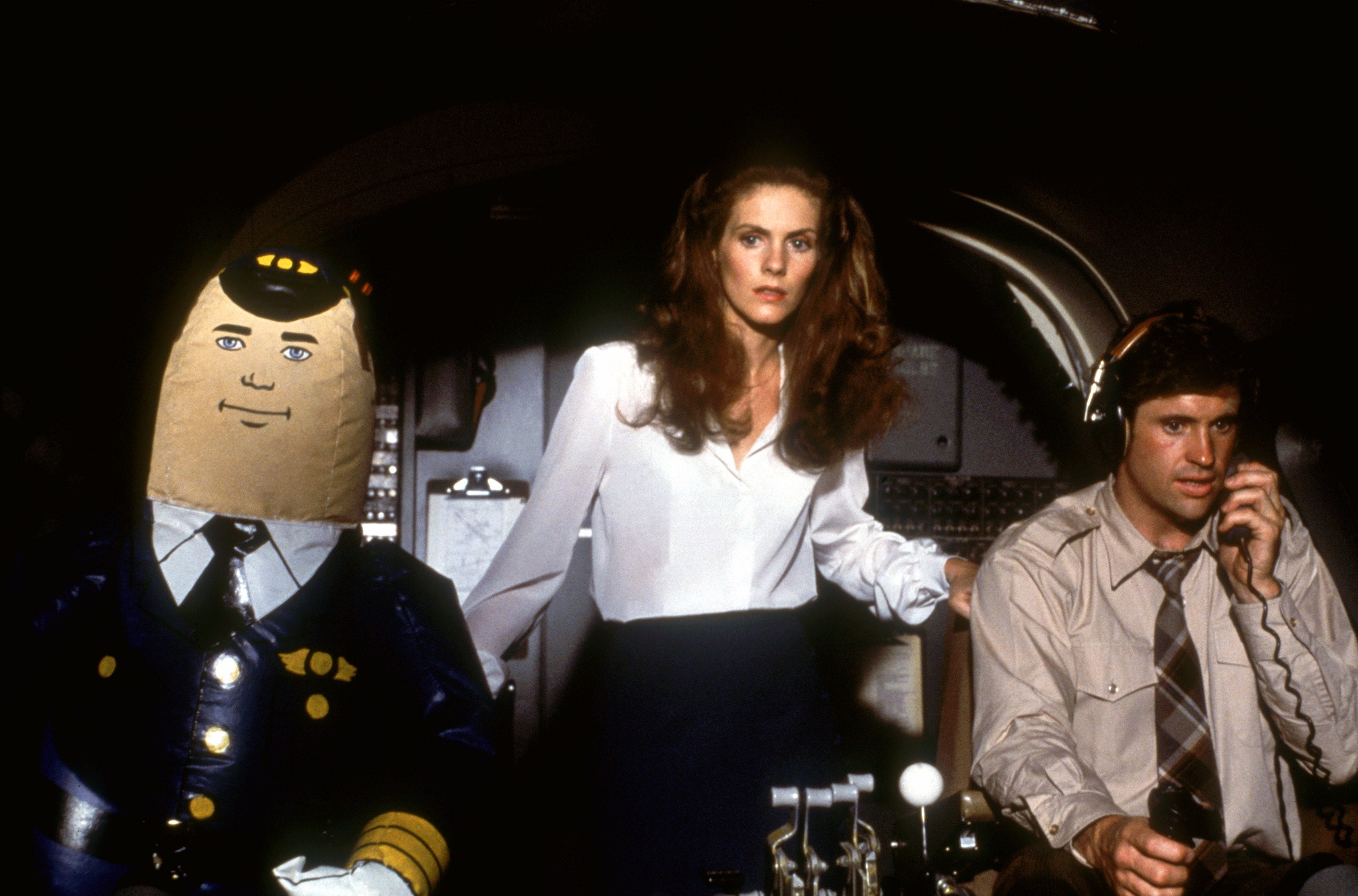
Heritage Images / NASA/Heritage Images via Getty Images3. You probably know the 1980 film Airplane! best as a genre-defining parody film of 1970s disaster movies. But what you might not know is that it is also a very close remake of the 1957 dramatic film Zero Hour! The film follows a nearly identical storyline, including a traumatized former pilot, a passenger plane hit by mass food poisoning, and a tense emergency landing scenario. Many of the character names, plot beats, and even lines of dialogue are taken directly from Zero Hour! rather than being fully original.
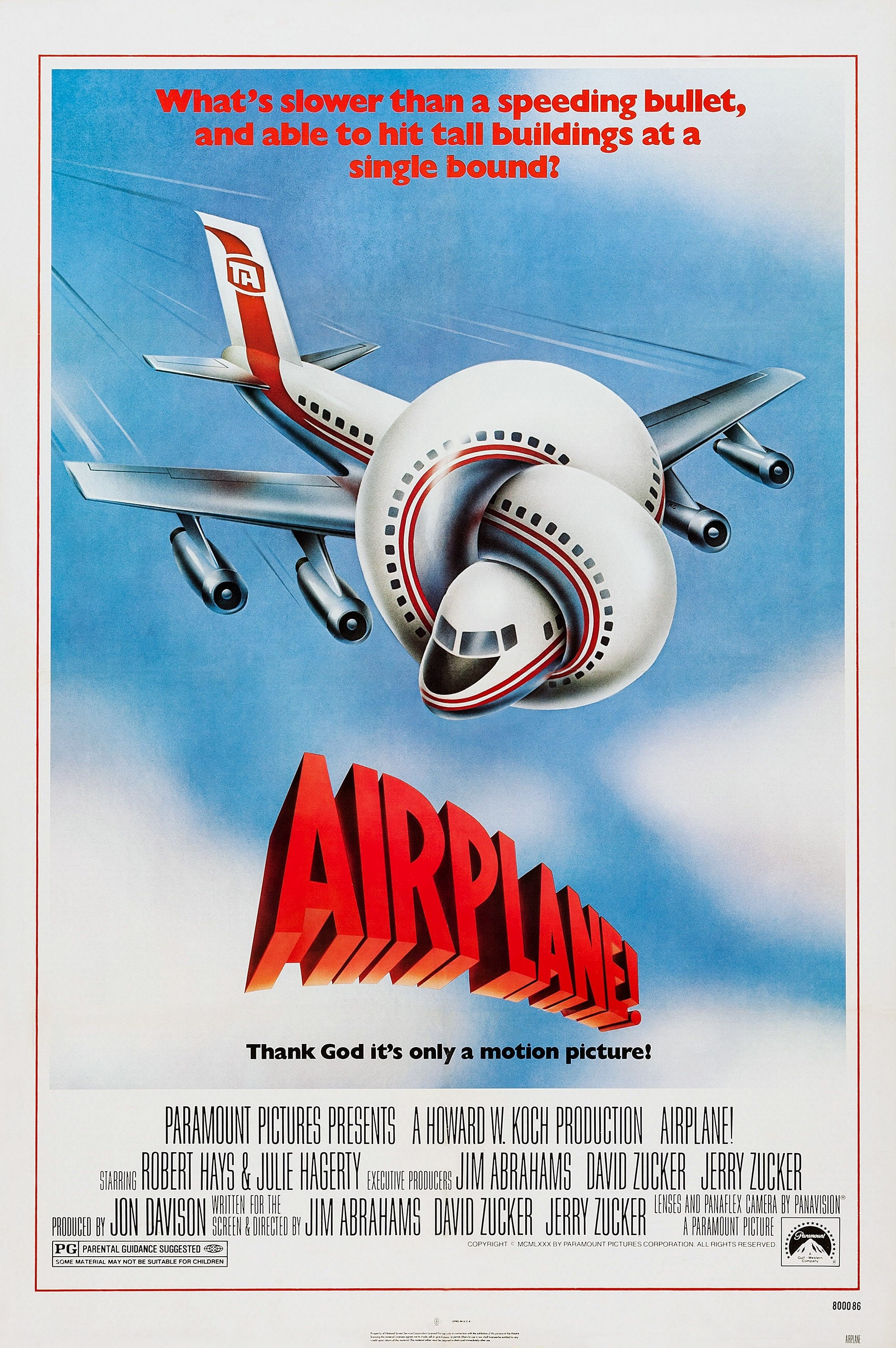
©Paramount/Courtesy Everett Collection, Everett CollectionThe writers and directors of Airplane!, Jim Abrahams, David Zucker, and Jerry Zucker, discovered the film while watching it on TV and decided to write a plane-disaster film. They realized their draft wasn't great, so they decided to write it using the exact plot to Zero Hour! But, to avoid legal issues, the filmmakers even bought the rights to Zero Hour! for a small fee, which allowed them to reuse its material freely. Funny enough, one of the co-writers of Zero Hour!, Arthur Hailey, wrote the 1968 novel Airport, which would later be made into the 1970 movie of the same name and kick off the disaster film genre, a genre that Airplane! would kill.
©Paramount/Courtesy Everett Collection, Courtesy Everett Collection
Related: "41 Wildly Unrealistic Things That Always Happen In Movies But Would Never IRL"
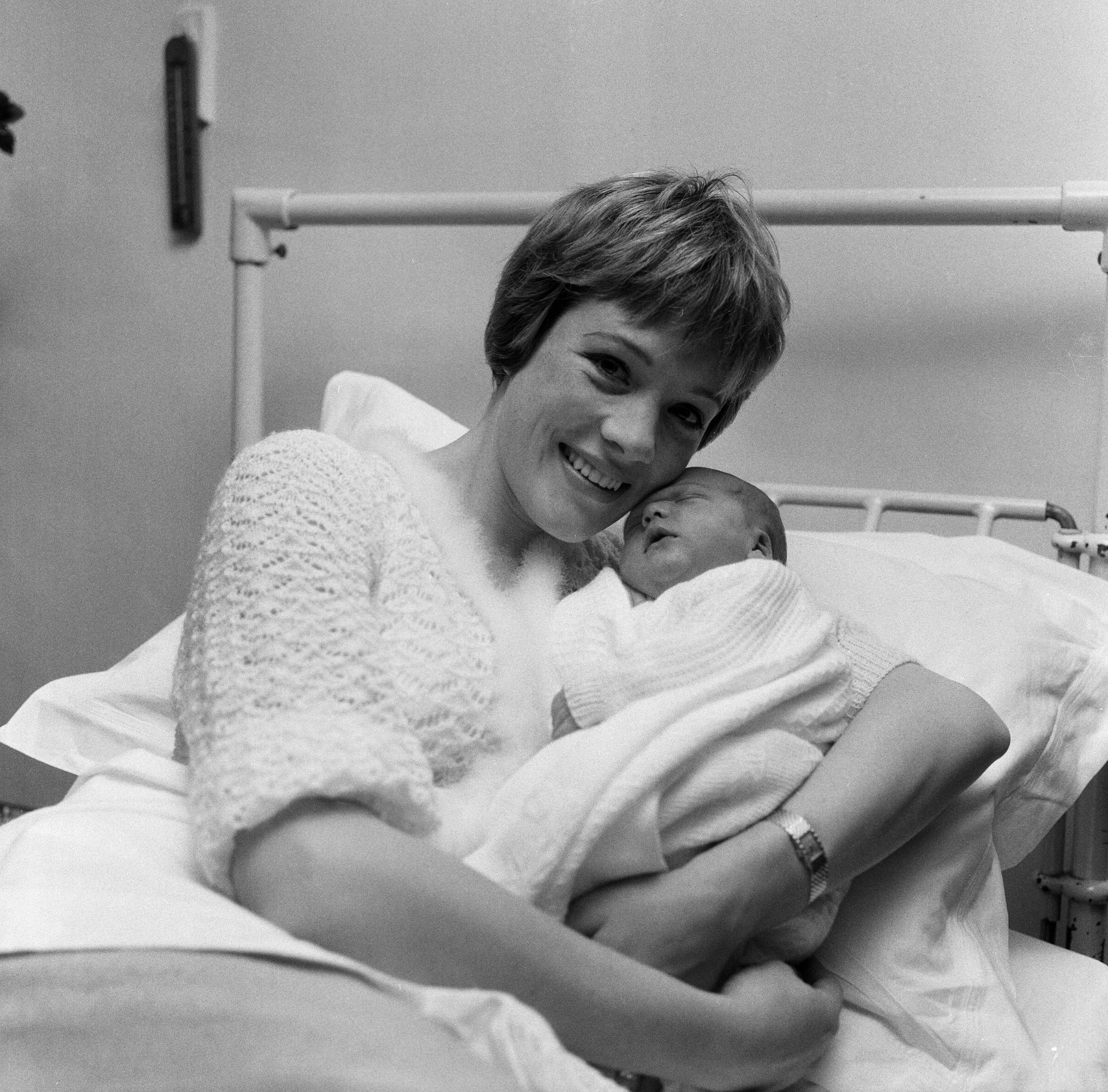
4. Walt Disney was so determined to cast Julie Andrews in Mary Poppins that he delayed production on the film to accommodate her pregnancy. Disney had flown out to New York to watch Julie Andrews in a performance of Camelot, which she was starring in opposite Richard Burton. After watching her performance, Disney went backstage to meet Andrews and her then-husband, Tony Walton. He was so impressed that he told her about Mary Poppins and invited her and Walton to California to see the film's designs and music.
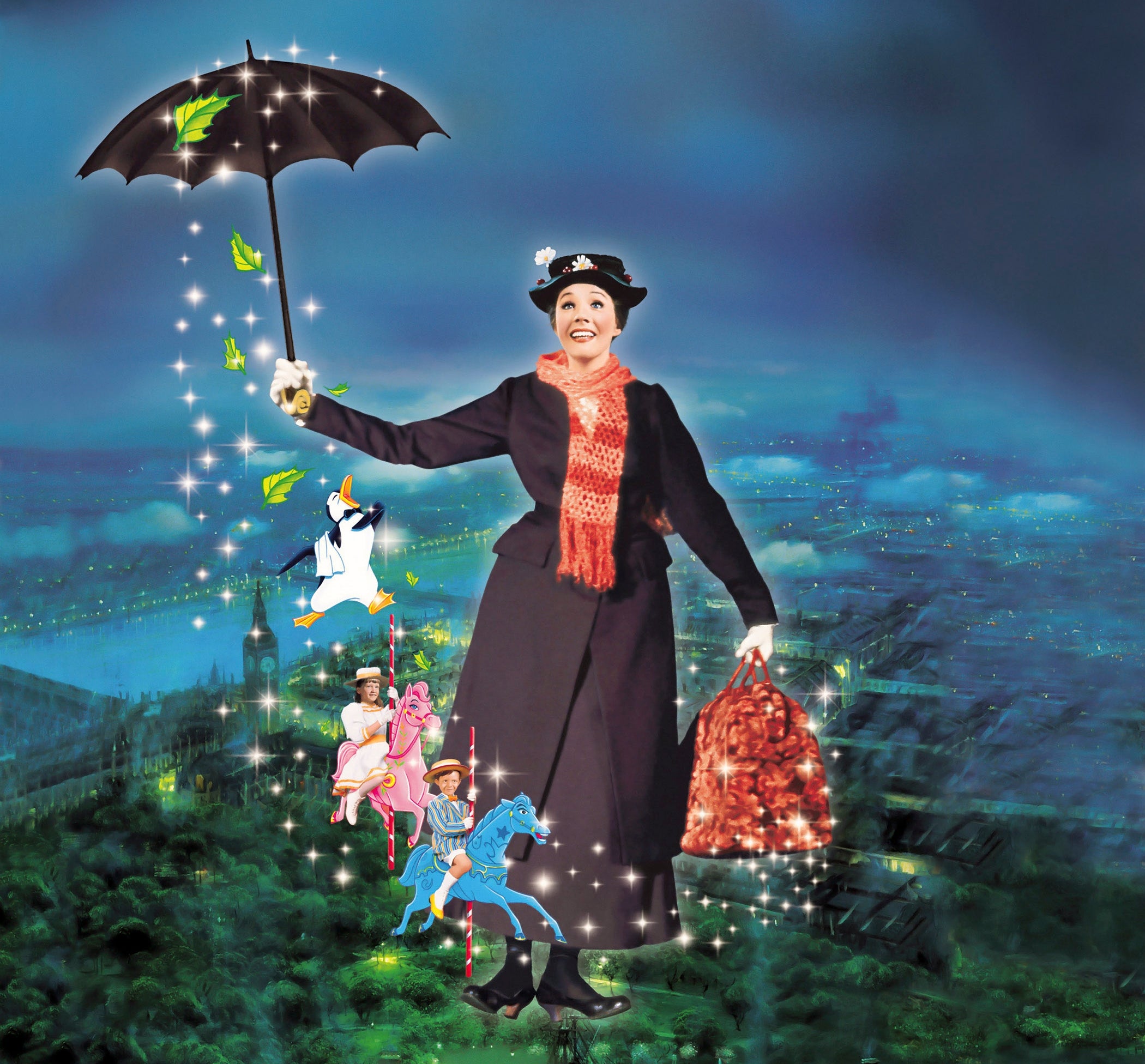
Disney/ Courtesy Everett CollectionInitially, Andrews was disappointed because she thought she wouldn't be able to take on the role because she was three months pregnant at the time. However, rather than cast someone else, Disney told her that he was willing to wait and chose to delay production so she could give birth and recover. He also hired Walton, then an unknown set designer, to work on the film. The gamble paid off: Andrews' performance became iconic (winning her the Oscar for Best Actress), earning Walton an Oscar nomination for Best Production Design, and helping turn Mary Poppins into one of Disney's biggest successes.
Mirrorpix / Getty Images5. Home Alone was almost canceled after the film's budget was increased. Originally, the film was planned with a $10 million budget (which was modest even for the time), but as production needs grew, the cost rose to $14 million. Warner Bros., which had originally backed it, became nervous about the increase and decided to cancel the project because it thought the film would be a modest hit at best.
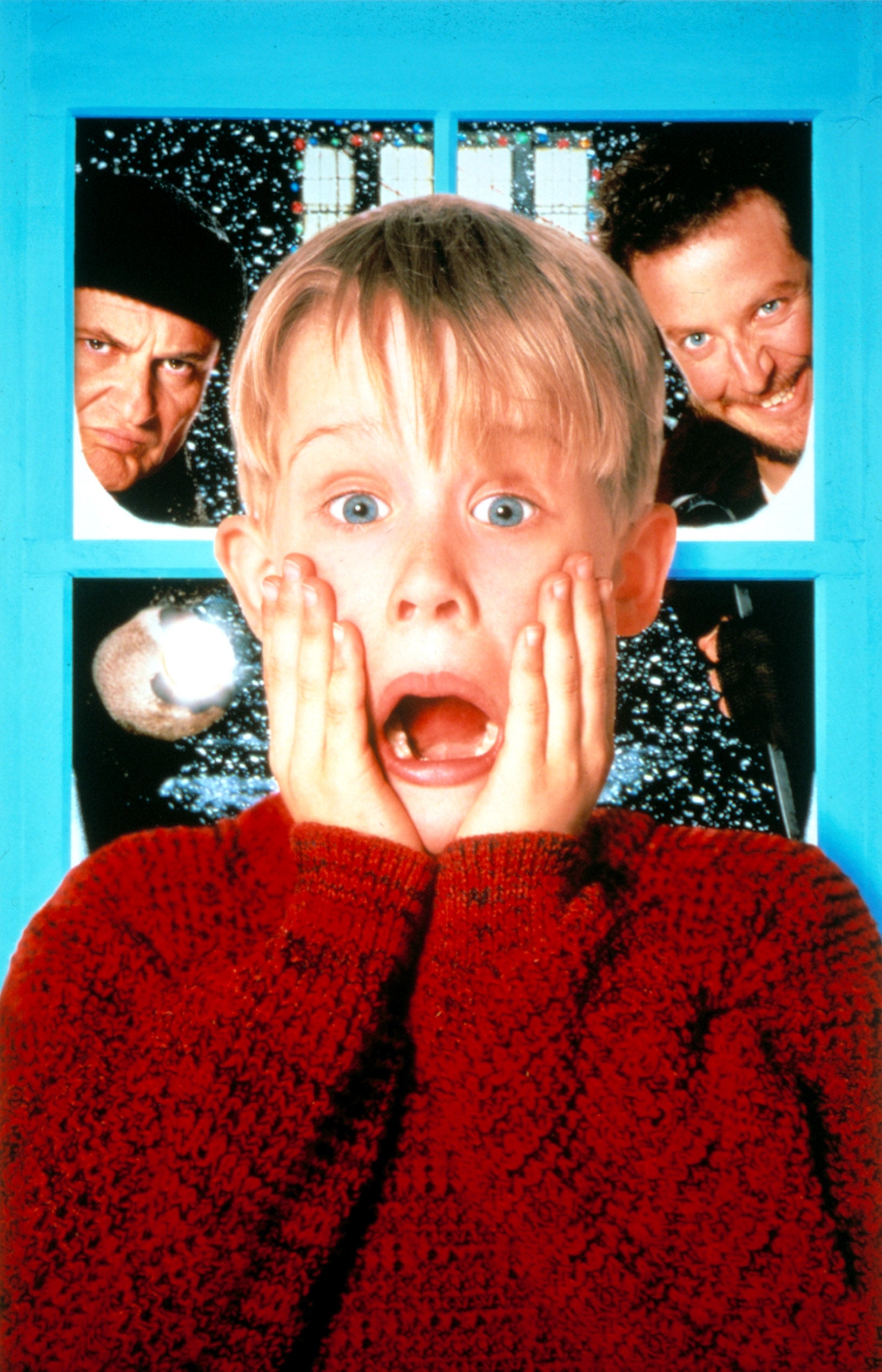
©20thCentFox/Courtesy Everett CollectionThis put director Chris Columbus and writer-producer John Hughes in a difficult position, as they had already invested a lot of time and creative energy in the story. Eventually, 20th Century Fox picked up the film (despite technically not being allowed to) and agreed to move forward with the higher budget. Of course, Home Alone went on to become a massive hit, grossing $143 million at the box office during its initial release.
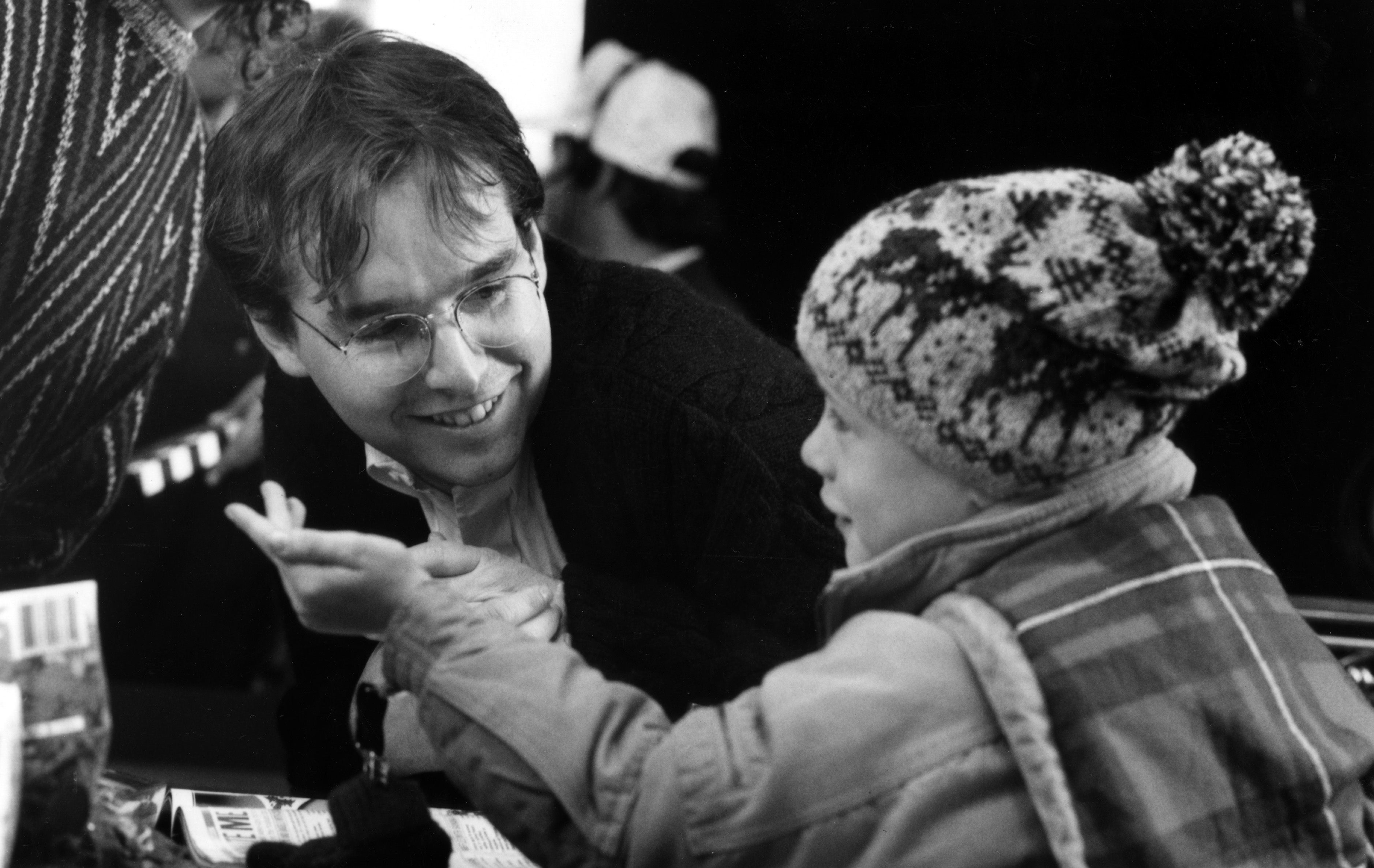
©20thCentFox/Courtesy Everett Collection6. When the film Ghost was being cast, many well-known Black actresses auditioned for the role of Oda Mae Brown, however, Whoopi Goldberg was never approached. She only learned about the role through another actress, which made the oversight even more surprising. When she asked her agent why she didn't get an audition for the part, her agent told her the reason was that "They don't want you. They think that your persona, that Whoopi, is too big and will take people out of the movie."
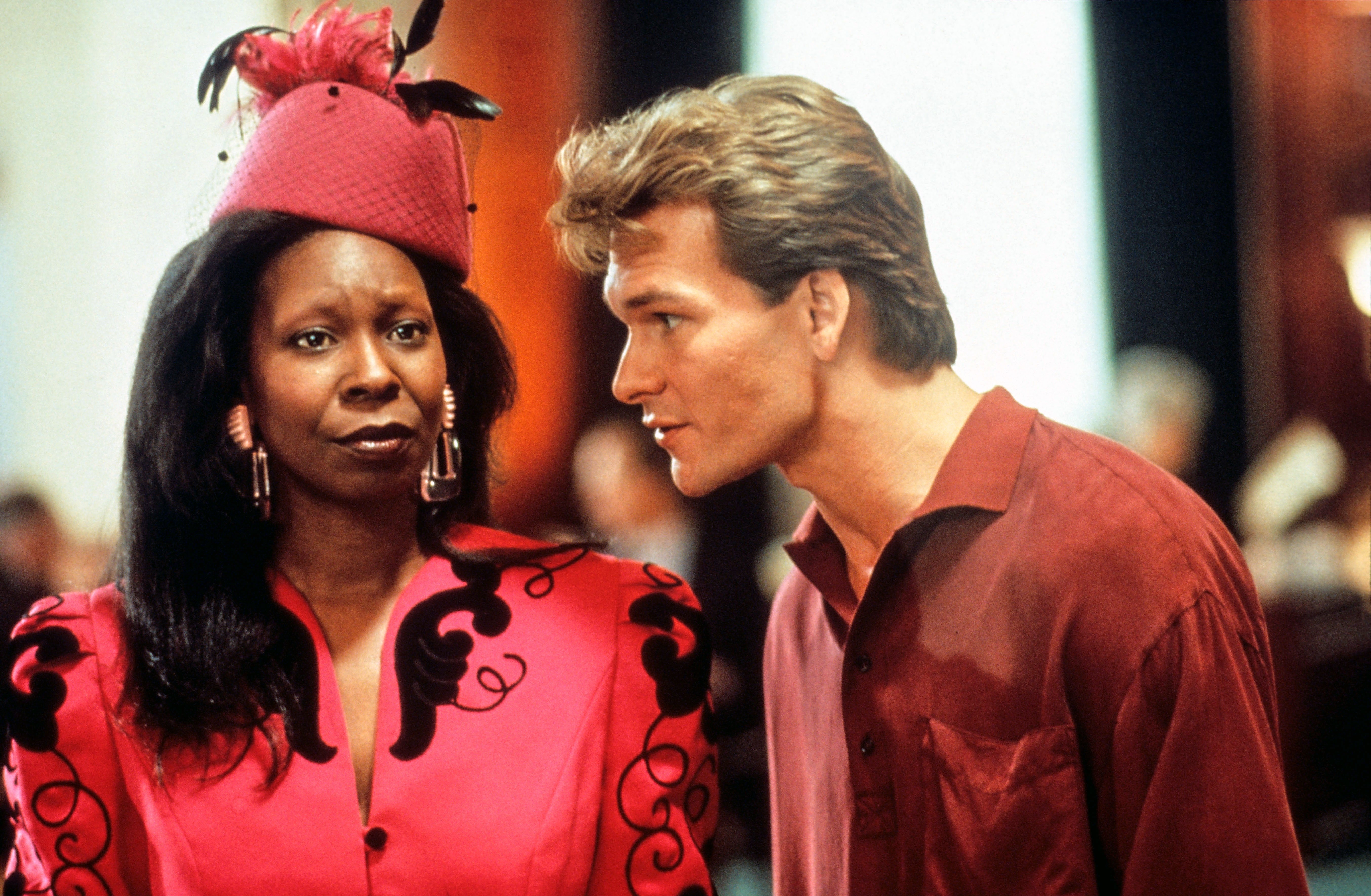
Paramount / courtesy Everett CollectionMeanwhile, Patrick Swayze was cast as Sam Wheat and quickly became a strong advocate for Goldberg. He was a friend, had seen her work, and believed she was the right fit to bring both humor and heart to the character of Oda Mae. Swayze pushed the producers to cast her, even flying out to meet her on location alongside the director to have her read for the part. However, Goldberg was still hesitant, so Swayze had to convince her to do it. Of course, she went on to deliver an iconic performance that earned her the Academy Award for Best Supporting Actress, during which she thanked Swayze in her acceptance speech.
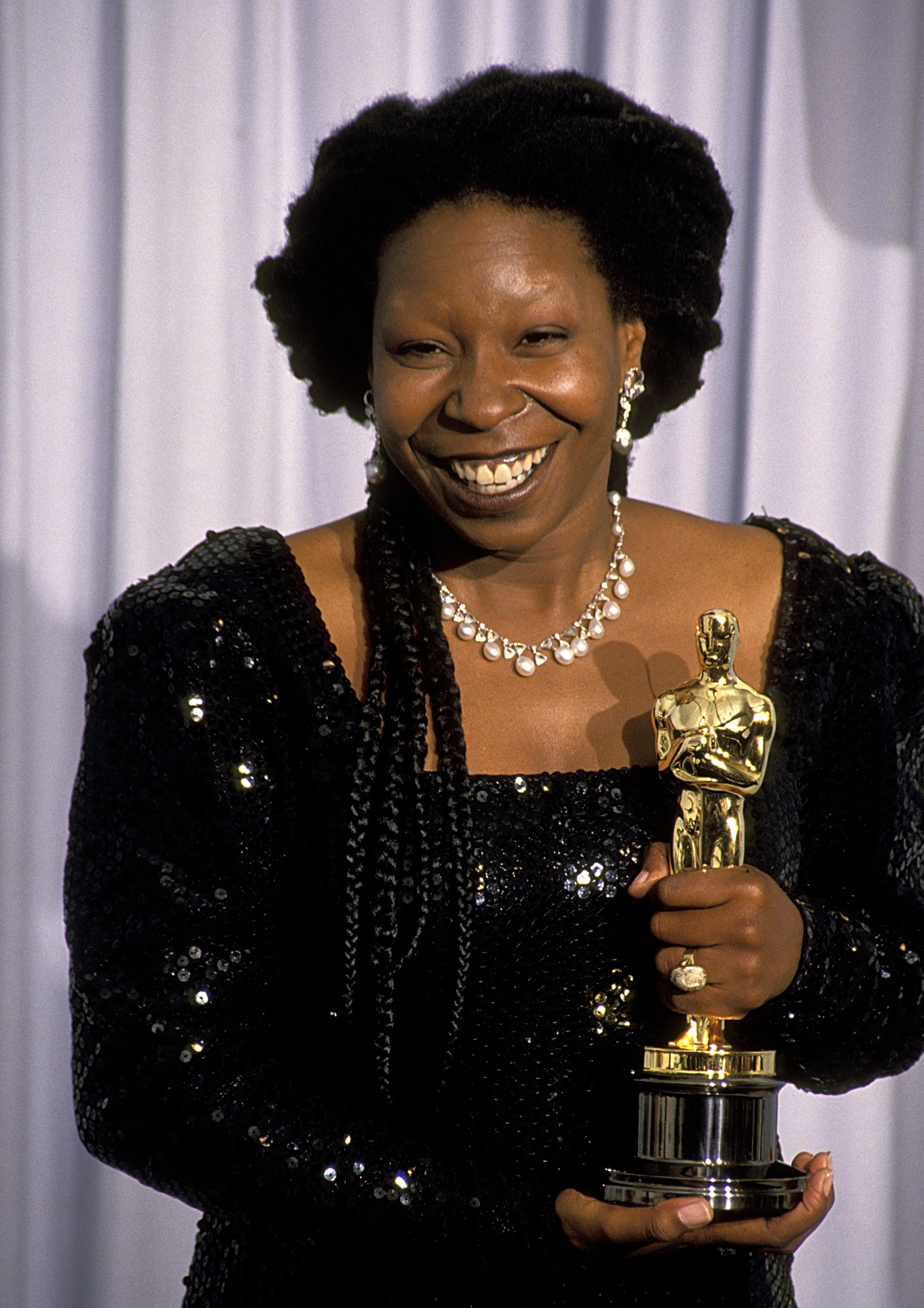
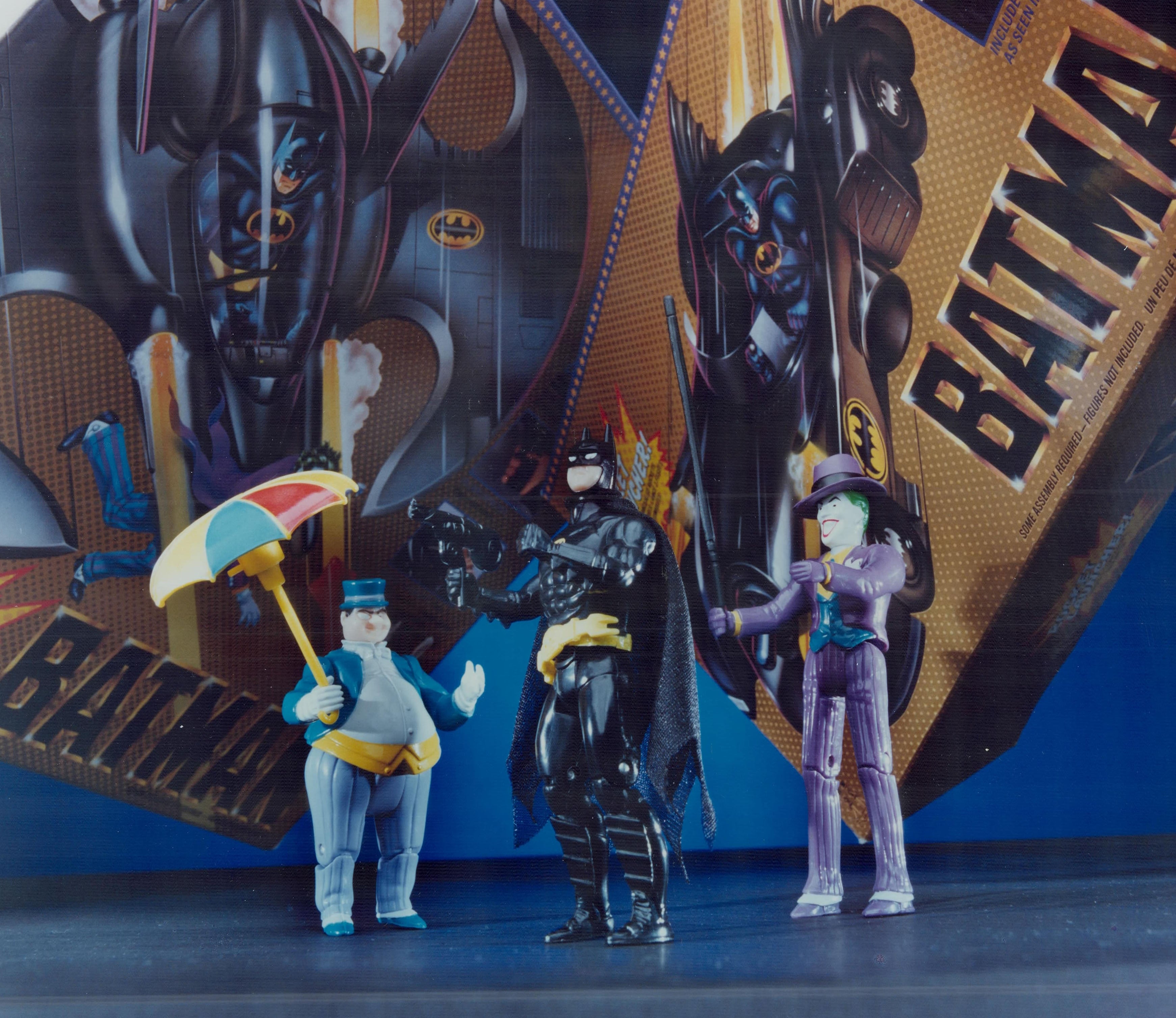
Ron Galella / Ron Galella Collection via Getty Images7. When Warner Bros. cast Jack Nicholson as the Joker in 1989's Batman, he was, of course, already one of Hollywood's biggest stars and had serious leverage in contract negotiations. Instead of taking a standard high upfront salary, Nicholson agreed to lower his pay to around $6 million in exchange for a share of the film's profits. The key detail was that his deal didn't stop at box-office earnings, as it also included a percentage of merchandising tied to his version of the Joker. At the time, this was unusual, since most actors were not given rights connected to toy sales and licensing.
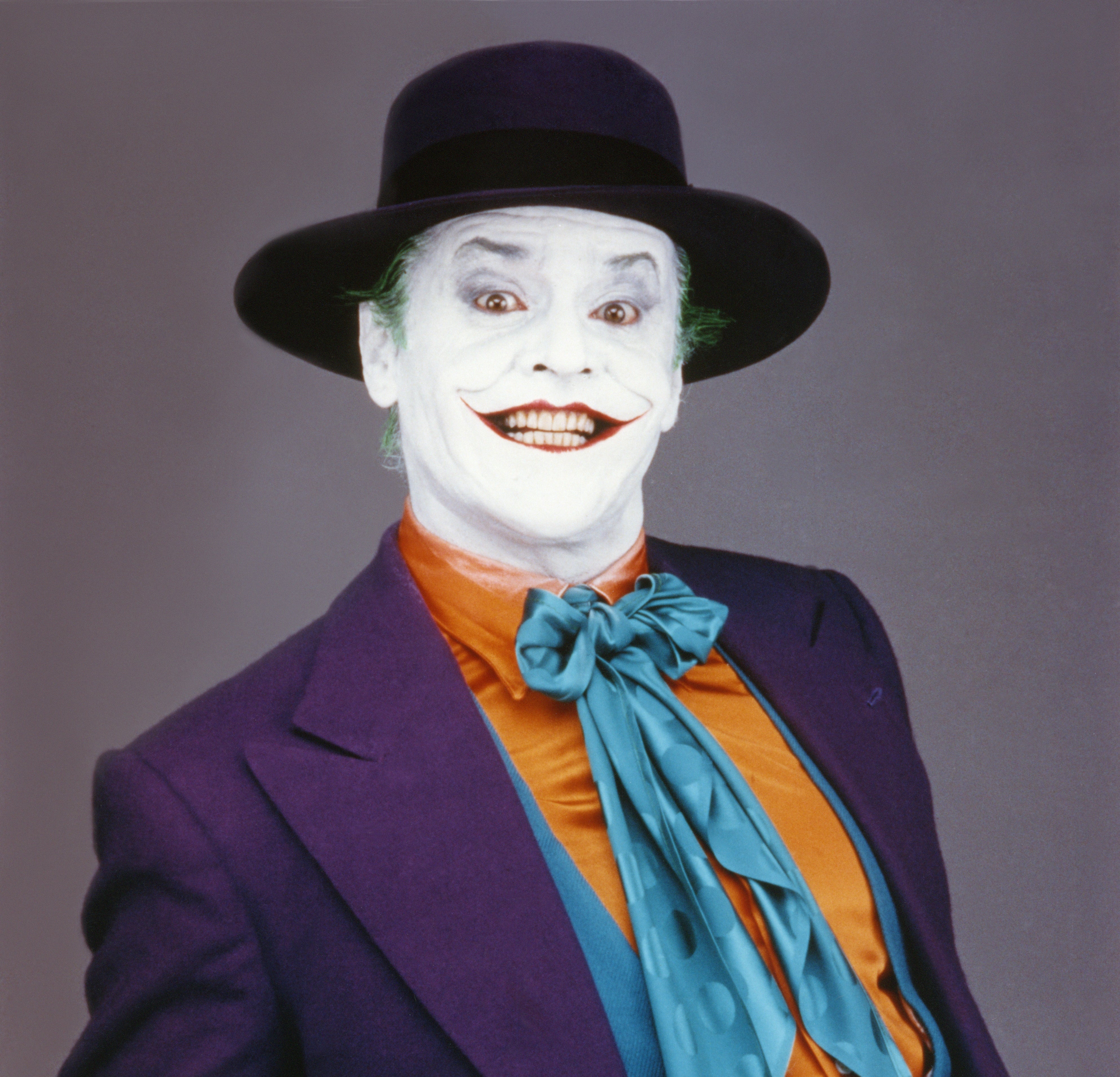
Sunset Boulevard / Corbis via Getty ImagesThe bet paid off massively because Batman became a big worldwide hit and generated huge revenue from toys, costumes, T-shirts, and other branded products. His backend deal is widely reported to have earned him tens of millions more than a flat salary would have, with some estimates placing his total earnings as high as $90 million.
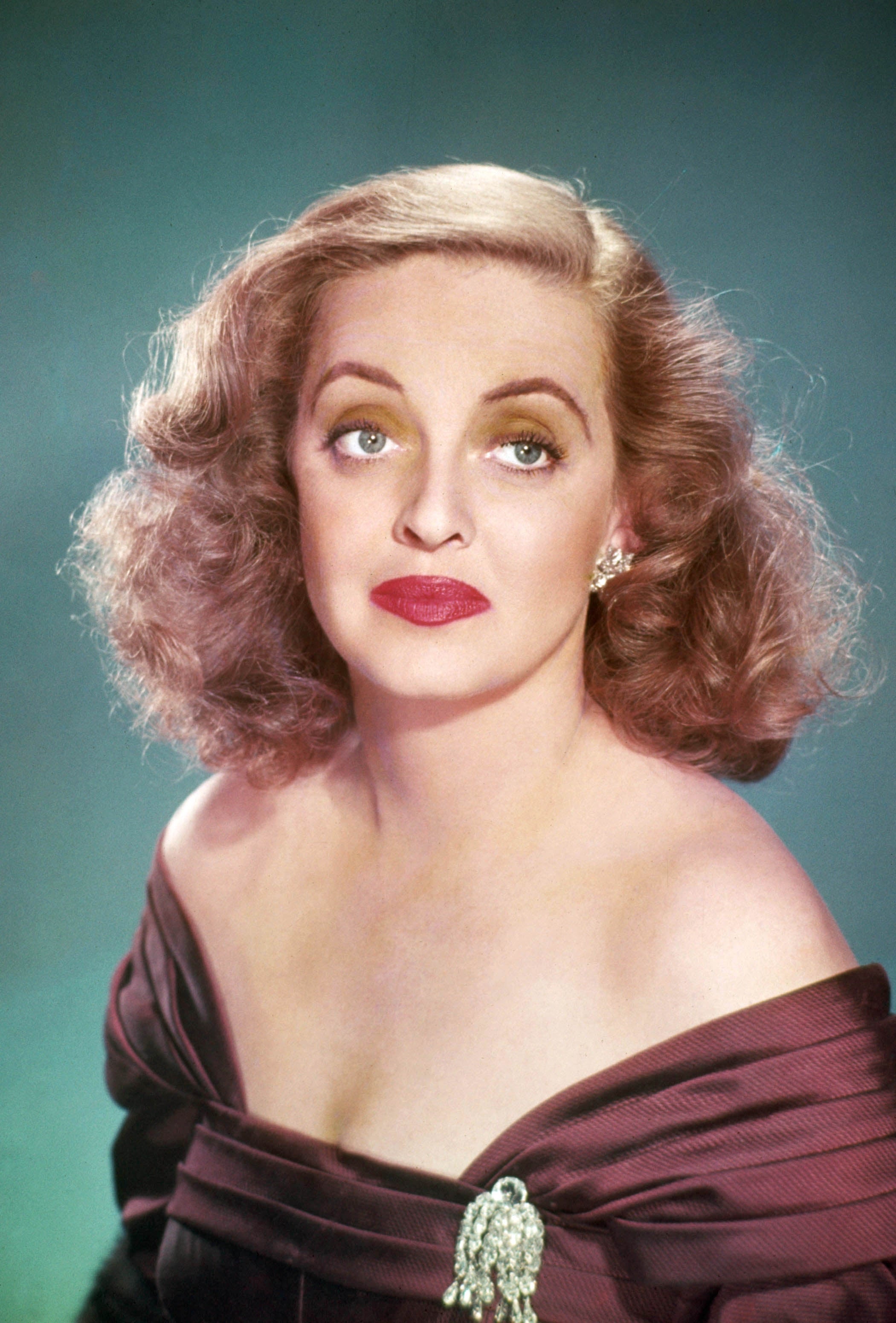
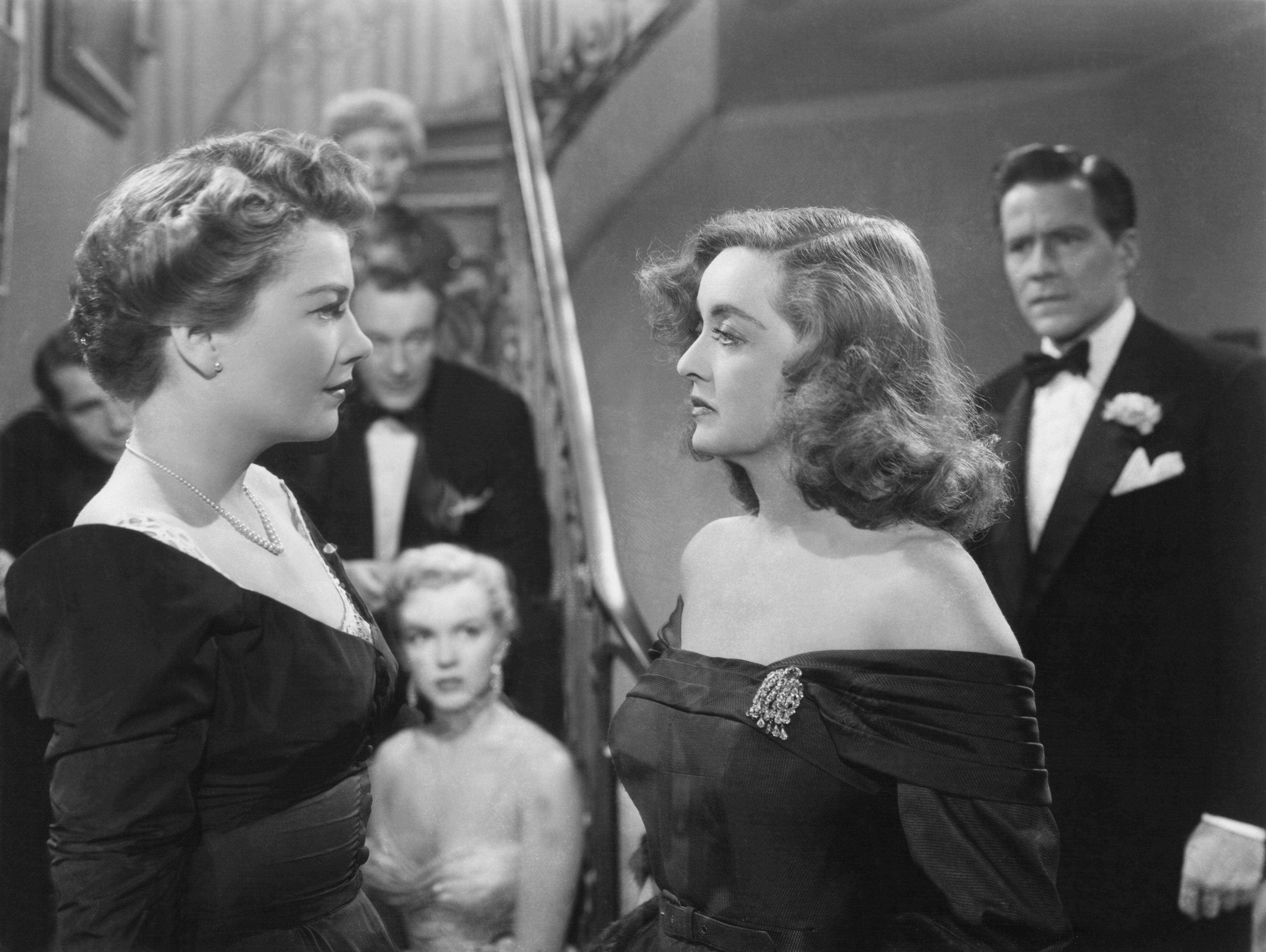
Bernard Weil / Toronto Star via Getty Images8. Today, Bette Davis is perhaps most closely associated with her iconic performance in All About Eve, but she was not originally supposed to star in the film. The role of the aging Broadway star Margo Channing was initially cast with Claudette Colbert, who had already signed on to the film. Just before production began, Colbert suffered a serious back injury while filming another project and was forced to drop out.
©20thCentFox/Courtesy Everett Collection
Related: "Prove You Grew Up On '80s And '90s Movies With This Tough Trivia Quiz"
Director Joseph L. Mankiewicz quickly turned to Davis, whose career had cooled after a string of disappointing films and who was looking for a major comeback role. Davis made Margo Channing one of the most well-known characters in movie history, delivering many of the film's most memorable lines and earning widespread acclaim. The movie was a massive success, received 14 Academy Award nominations (a record at the time), won six Oscars, and Davis's performance helped relaunch her career.
©20thCentFox/Courtesy Everett Collection9. The iconic Star Warsopening crawl was not written by George Lucas. According to director Brian De Palma, he and screenwriter Jay Cocks wrote it after a disastrous first screening of a rough cut of the film. The opening crawl originally started with the paragraph, "The Republic Galactica is dead. Ruthless trader barons, driven by greed and the lust for power, have replaced enlightenment with oppression, and the 'rule of the people' with the First Galactic Empire." It was a densely packed six-paragraph prologue that gave way too much background about the Jedi and the fall of the Republic; it also didn't mention Darth Vader or Princess Leia.
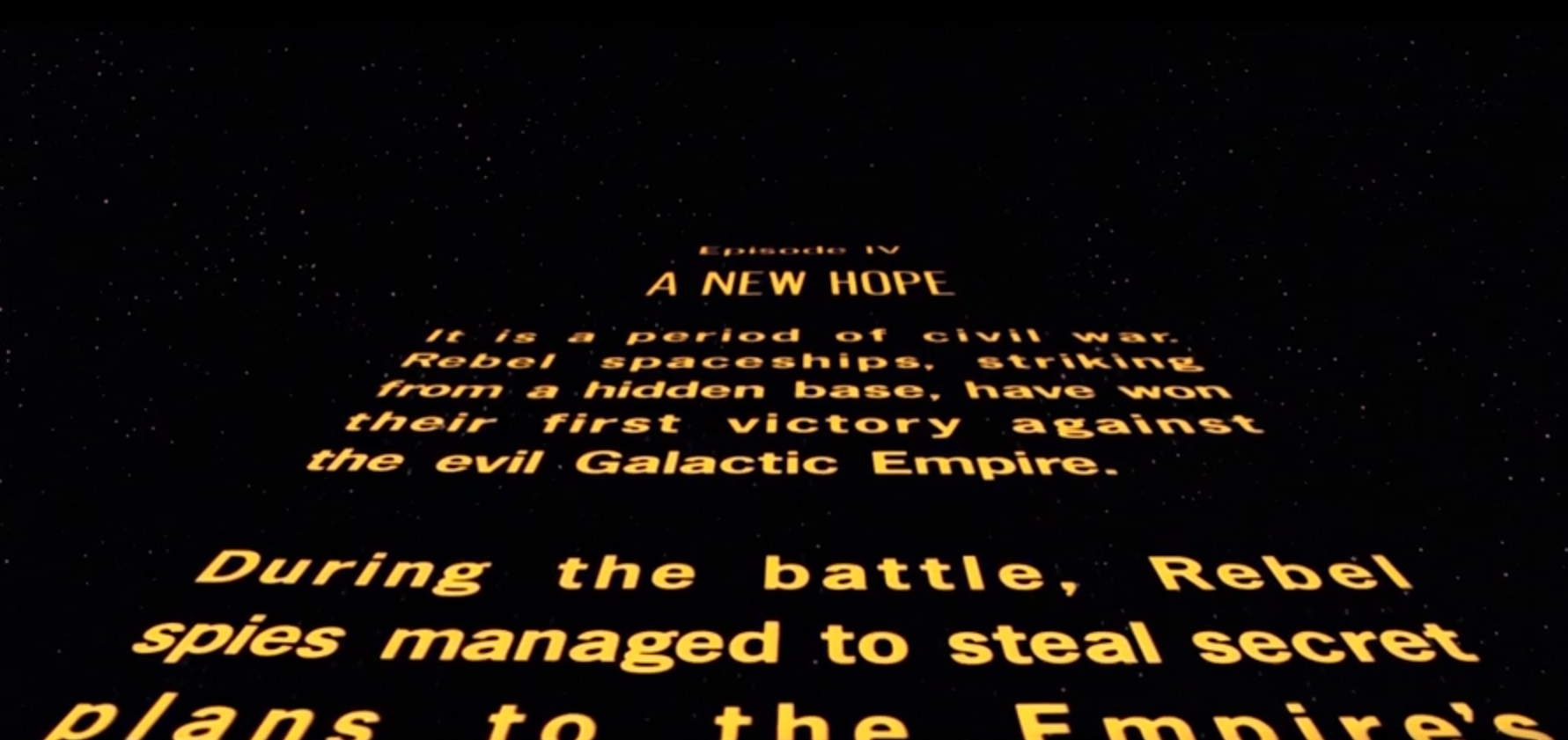
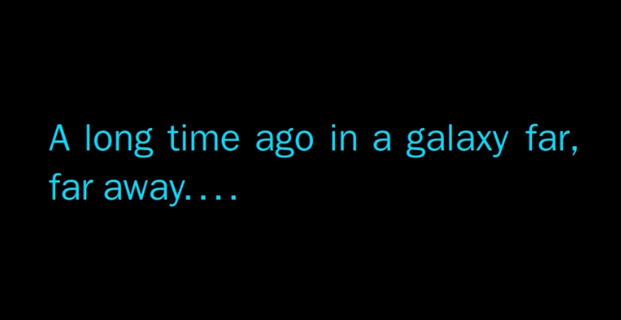
Lucasfilm / Viastarwars.comWhen Lucas showed a rough cut to his famous filmmaker friends, including De Palma, some of them said the movie lacked clear context at the start and left viewers unsure of what was happening in the story. De Palma pushed Lucas to rethink how the film opened, so it would set the scene more cleanly and with more excitement for audiences. That's when DePalma says he and Cocks then rewrote a new, trimmed-down opening crawl that set the scene better and would immediately grab the audience. And I have to say, "A long time ago in a galaxy far, far away...." definitely grabs your attention!
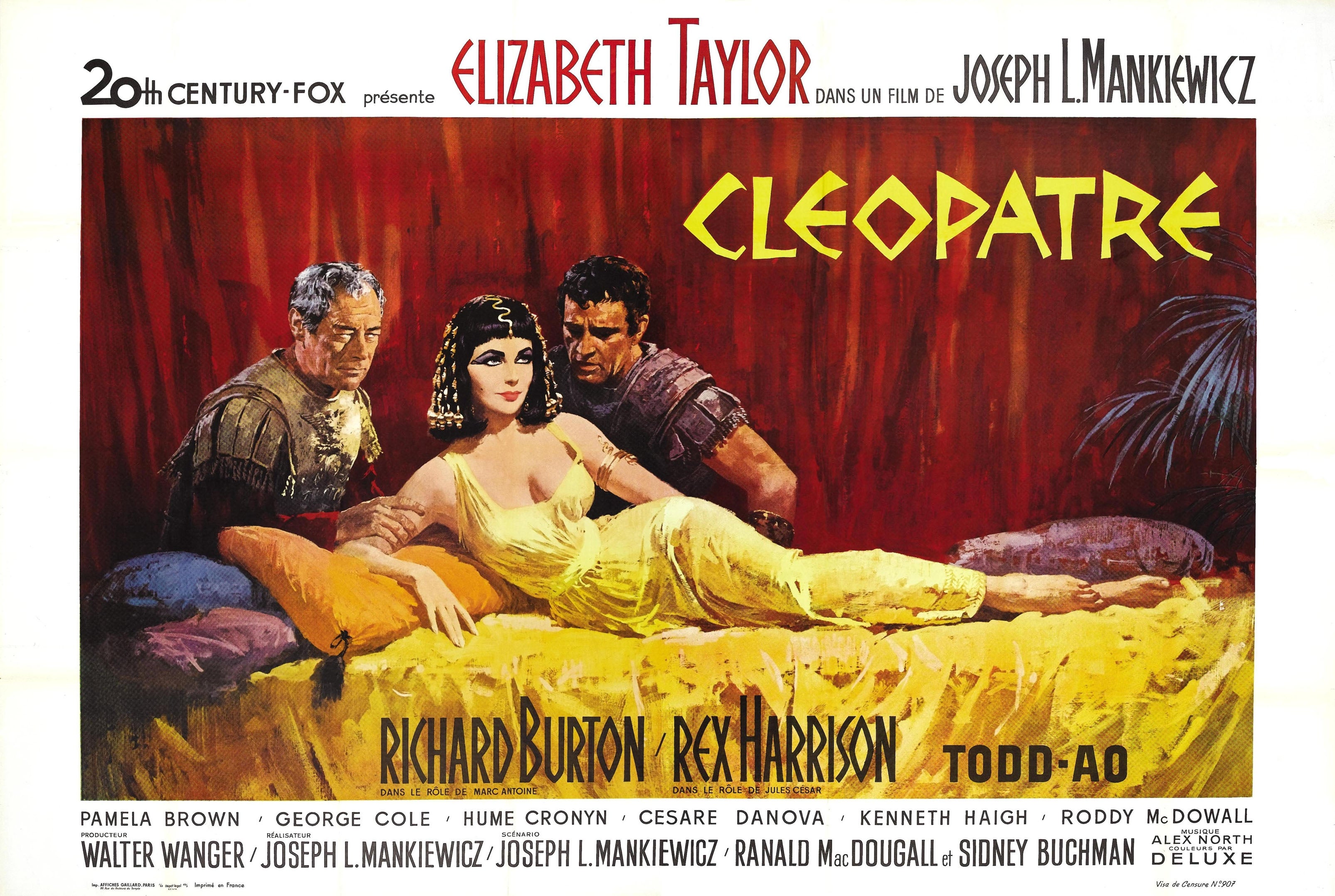
Lucasfilm / Viastarwars.com10. Century City (a neighborhood in LA) exists because the 1963 film Cleopatra became one of the most expensive movie productions in Hollywood history. The movie started off with a budget of about $5 million — a figure that was normal for sweeping historical epics. However, it exploded due to delays, rewrites, Elizabeth Taylor falling ill, high production costs (elaborate sets and costumes), and having to relocate the entire film from London, England, to Rome, Italy, which required them to rebuild all new sets. Because of it, 20th Century Fox, which financed the film, nearly went bankrupt trying to complete it.

Bloomberg / Bloomberg via Getty Images, Silver Screen Collection / Getty ImagesThe film's final budget was reportedly $44 million, which would be $482 million today. To stay afloat, the studio was forced to sell off a large portion of its Los Angeles backlot — over 260 acres. That land was purchased by developers and eventually transformed into what is now Century City. The neighborhood’s office towers, shopping centers, and condos literally sit on what used to be Fox's studio property. The movie itself was not a flop — in fact, it was the highest-grossing movie of the year. But because it was so expensive to make, it took a long time to recoup its costs, and the studio didn't make a profit.
©20thCentFox/Courtesy Everett Collection11. I think we can all agree that Mean Girls is the defining teen comedy of the '00s. However, it didn't start out as the PG-13 movie we know today. Early cuts of the film were closer to an R rating, with more explicit language and sharper, more adult-oriented jokes. Writer and star Tina Fey and director Mark Waters have both said the original version leaned more heavily into the kind of humor Fey was known for from her work on SNL.
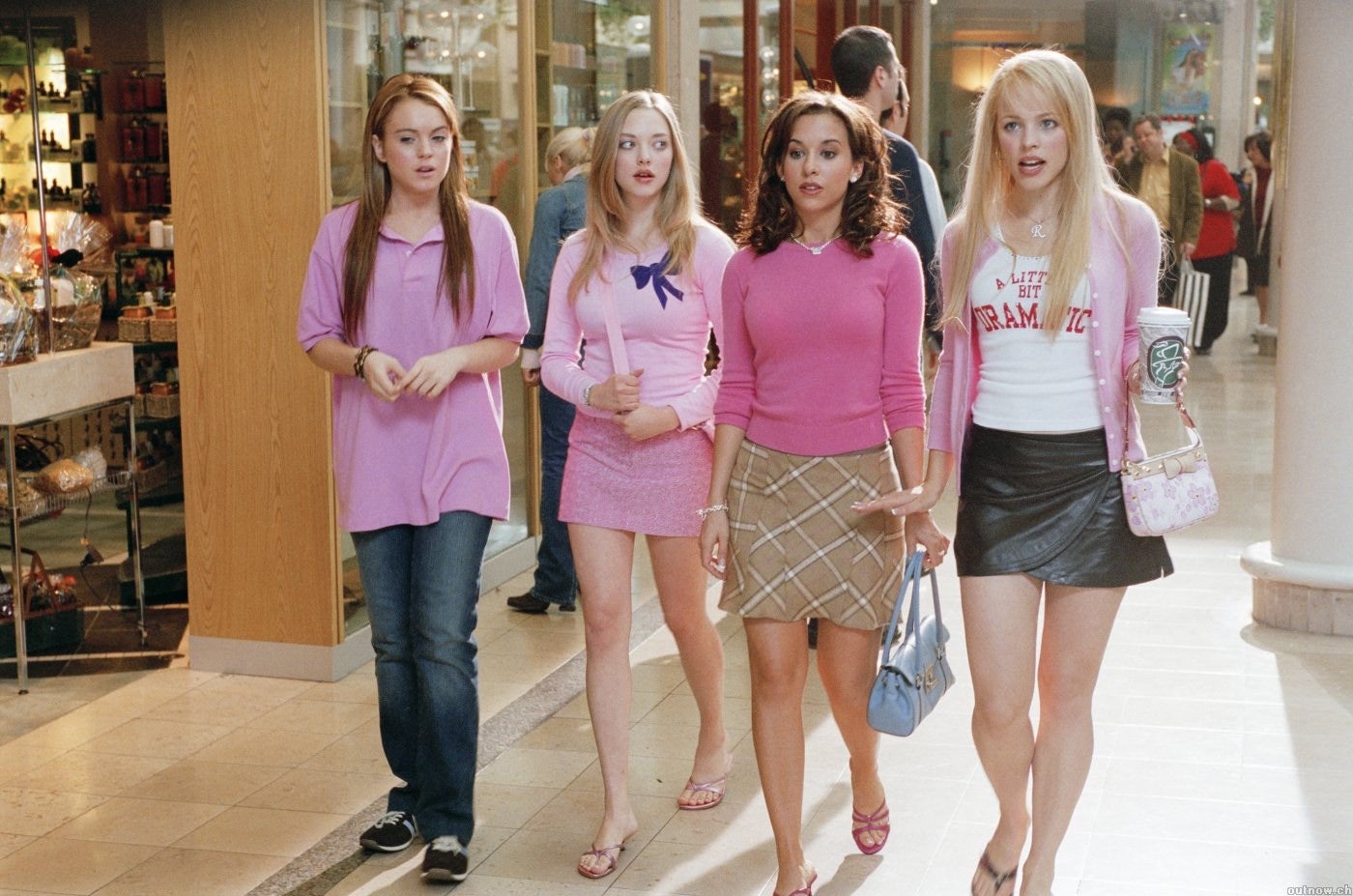
Paramount / courtesy Everett CollectionHowever, the studio wanted the movie to reach a broader teen audience, which meant aiming for a PG-13 rating instead of R. To make that happen, several lines were rewritten or cut, especially jokes that were considered too sexual or explicit, for example, the line was originally, "Amber D'Alessio gave a blowjob to a hot dog" before it was changed to "made out with a hot dog." Some scenes were also softened to tone down the overall edge of the film. Despite those changes, the final version struck a balance between edgy and "teen movie."
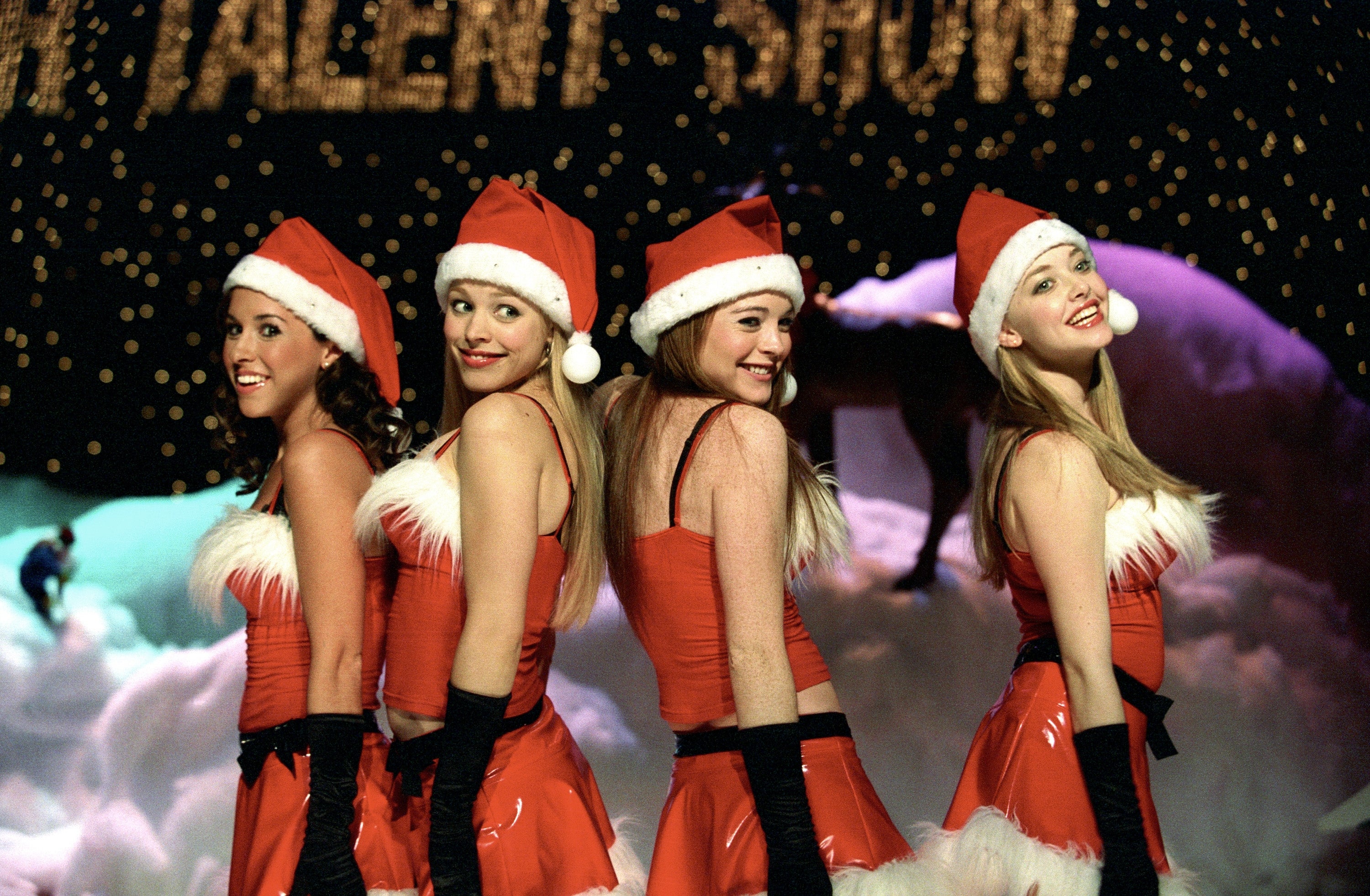
©Paramount/Courtesy Everett Collection
Related: "Can You Identify '90s Movies From A Blurry Screenshot?"
12. E.T. the Extra-Terrestrial was originally an alien horror movie. Steven Spielberg originally developed the concept for the film after Close Encounters of the Third Kind, imagining a story about a frightening alien terrorizing a family that lived on a farm. He then hired writer John Sayles to script the project, which he titled Night Skies.
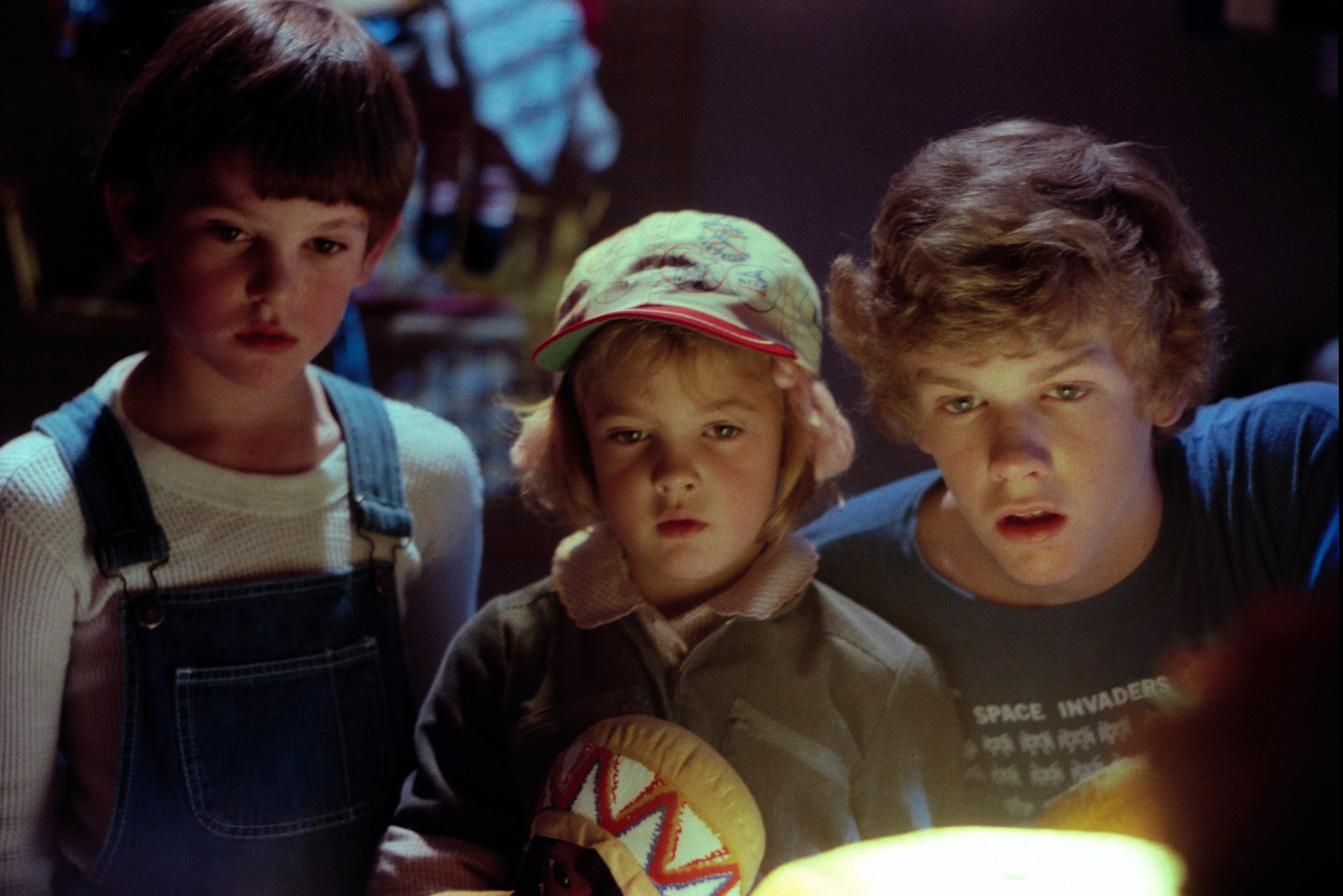
©Universal/Courtesy Everett Collection / ©Universal/courtesy Everett / Everett CollectionAs Night Skies went into preproduction, Spielberg became uneasy about how scary it was and chose to rethink the project entirely, deciding he wanted a more hopeful story about connection. He brought in Melissa Mathison to rework the idea — blending optimism with elements of the earlier draft — and this evolved into E.T. Because Sayles didn't rewrite Night Skies, he instead made his own film, The Brother from Another Planet, and parts of the original alien attack concept found new life in another Spielberg project, Poltergeist.
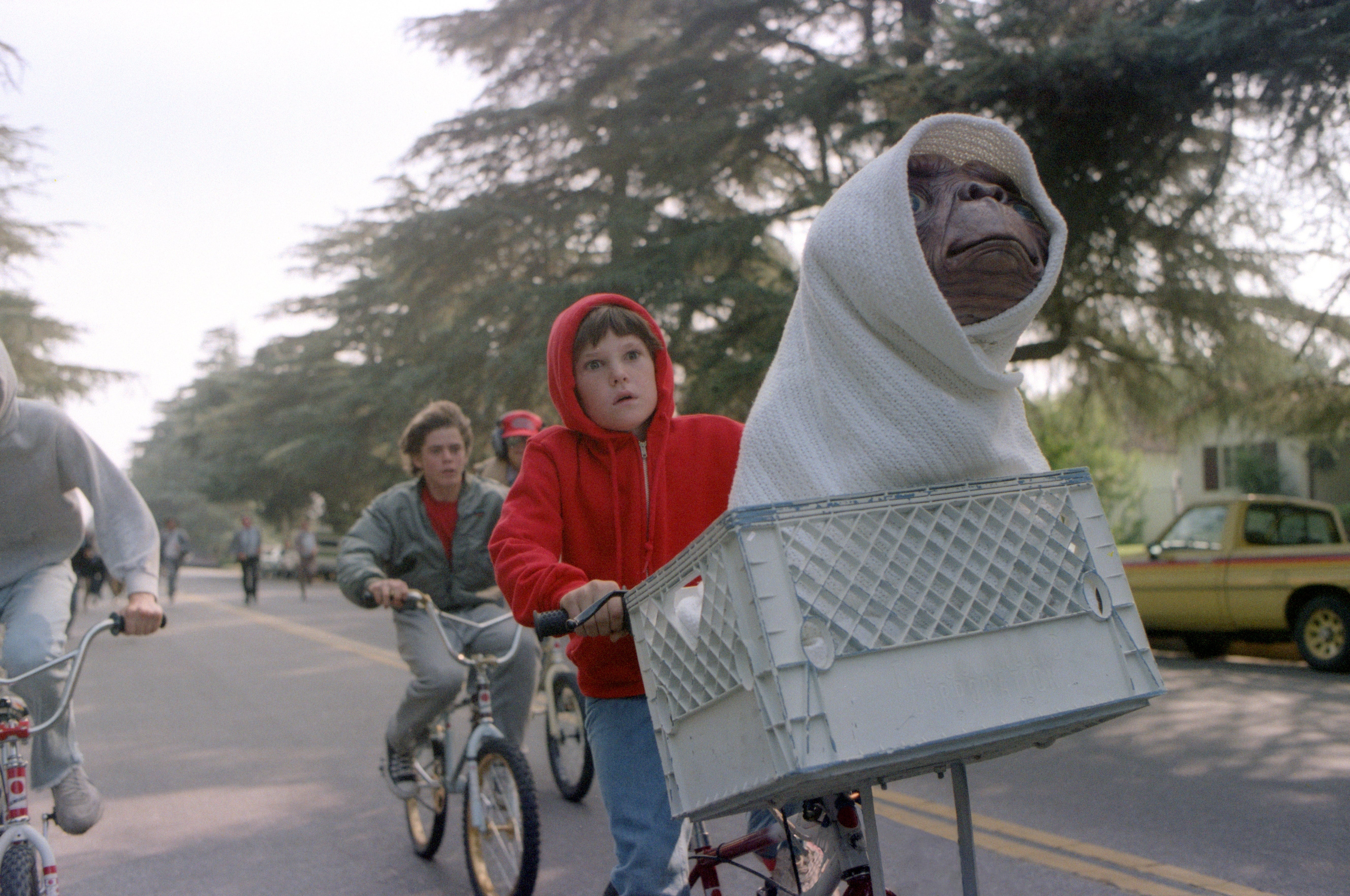
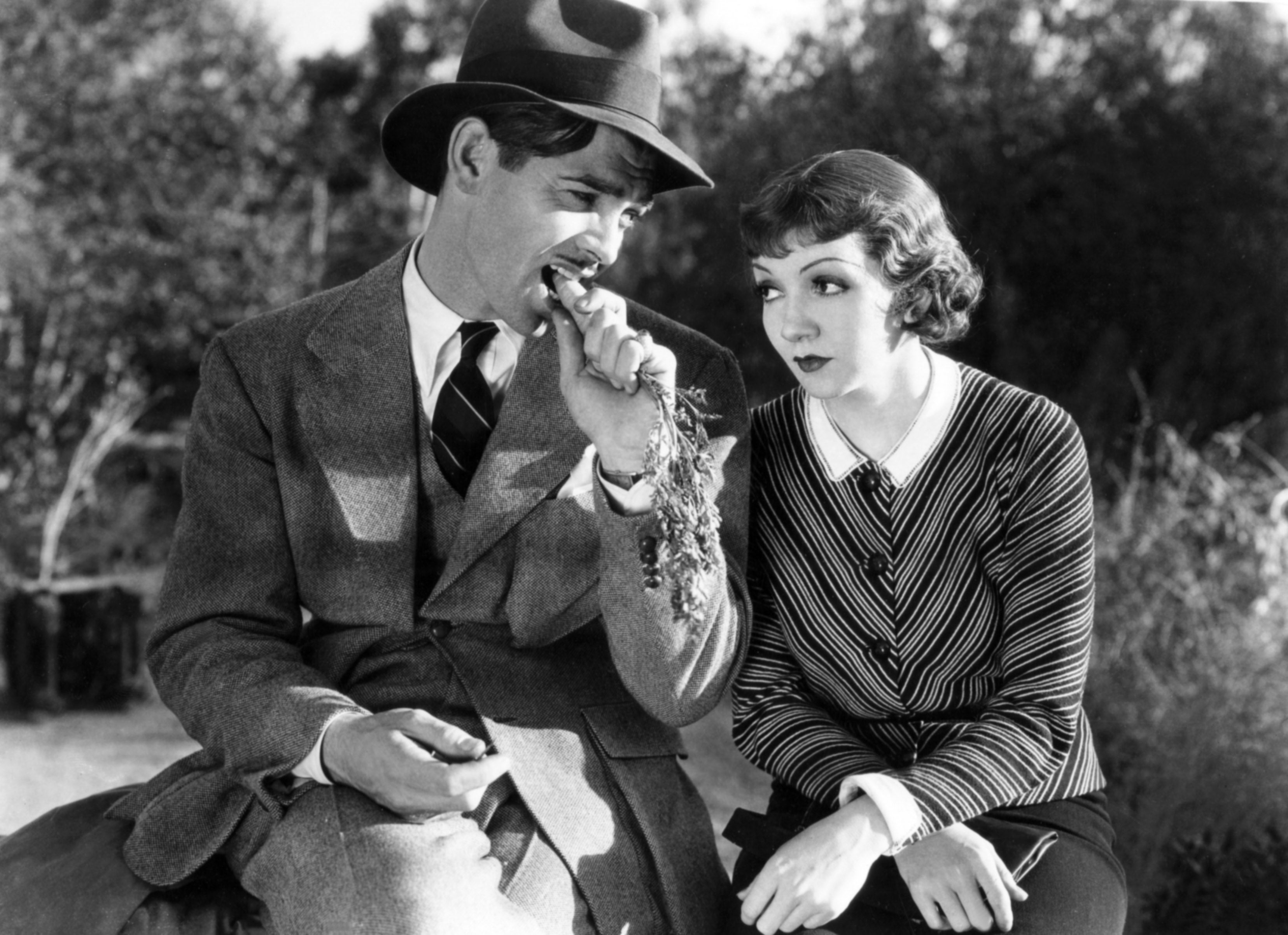
Sunset Boulevard / Corbis via Getty Images13. Bugs Bunny, who is, of course, one of the most iconic cartoon characters of all time, was actually inspired in part by Clark Gable in the 1934 film It Happened One Night. According to Warner Bros. animator Friz Freleng's unpublished memoir, he and the animators borrowed elements of Gable's confident demeanor and wisecracking manner in the film to shape Bugs' personality.
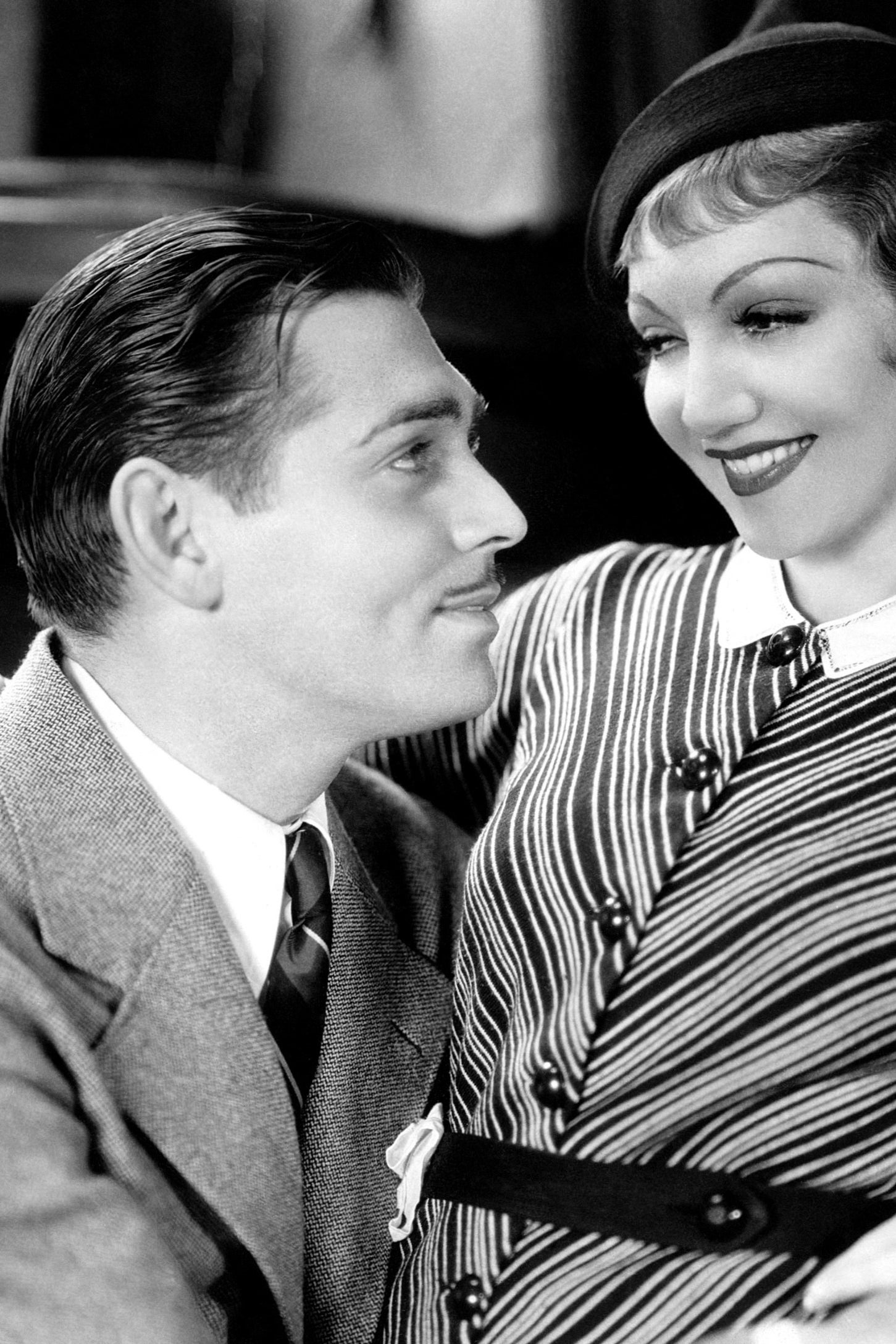
Courtesy Everett Collection, Warner Bros./ Courtesy Everett CollectionThey also incorporated elements like Gable's character's sarcastic voice and the way his character eats a carrot while talking and chewing in a scene, thus giving Bugs Bunny his trademark habit of eating carrots while talking. This also started a myth that rabbits like to eat carrots because it was so associated with Bugs. In reality, rabbits don't have a special preference for carrots, as they don't really eat root vegetables; in fact, it's not really good for them because it's so high in sugar.
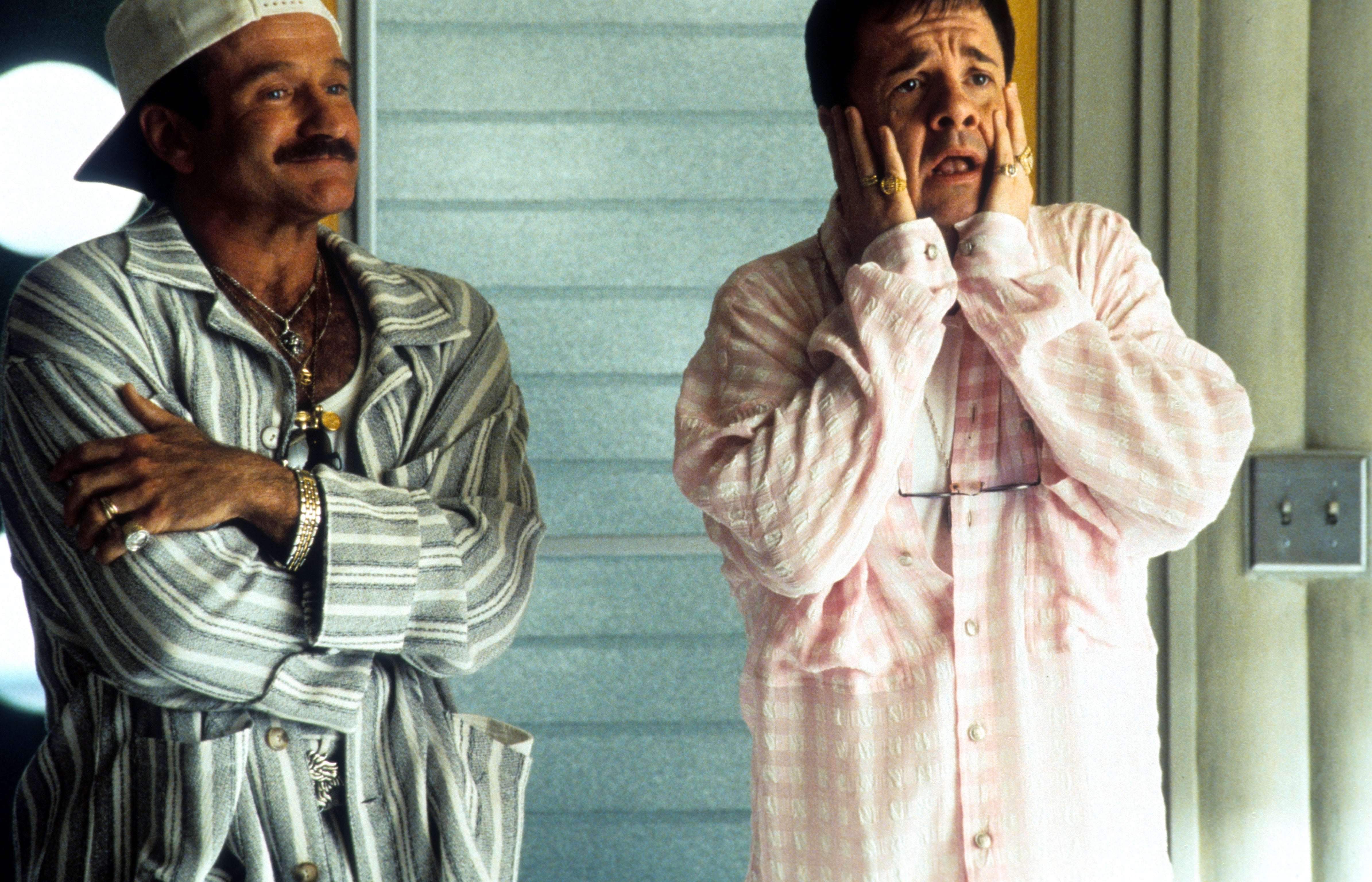
Courtesy Everett Collection14. When The Birdcage was being developed in the mid-1990s, Robin Williams was actually cast to play Albert Goldman, the flamboyant drag queen who was eventually portrayed by Nathan Lane. At the time, Steve Martin was attached to play Albert's partner, Armand Goldman, the more reserved owner of the Miami drag club. However, when Martin left the project because of scheduling conflicts, Williams suggested that he switch roles and play Armand instead, since he had just played the flamboyant Mrs. Doubtfire and didn't want to repeat himself.
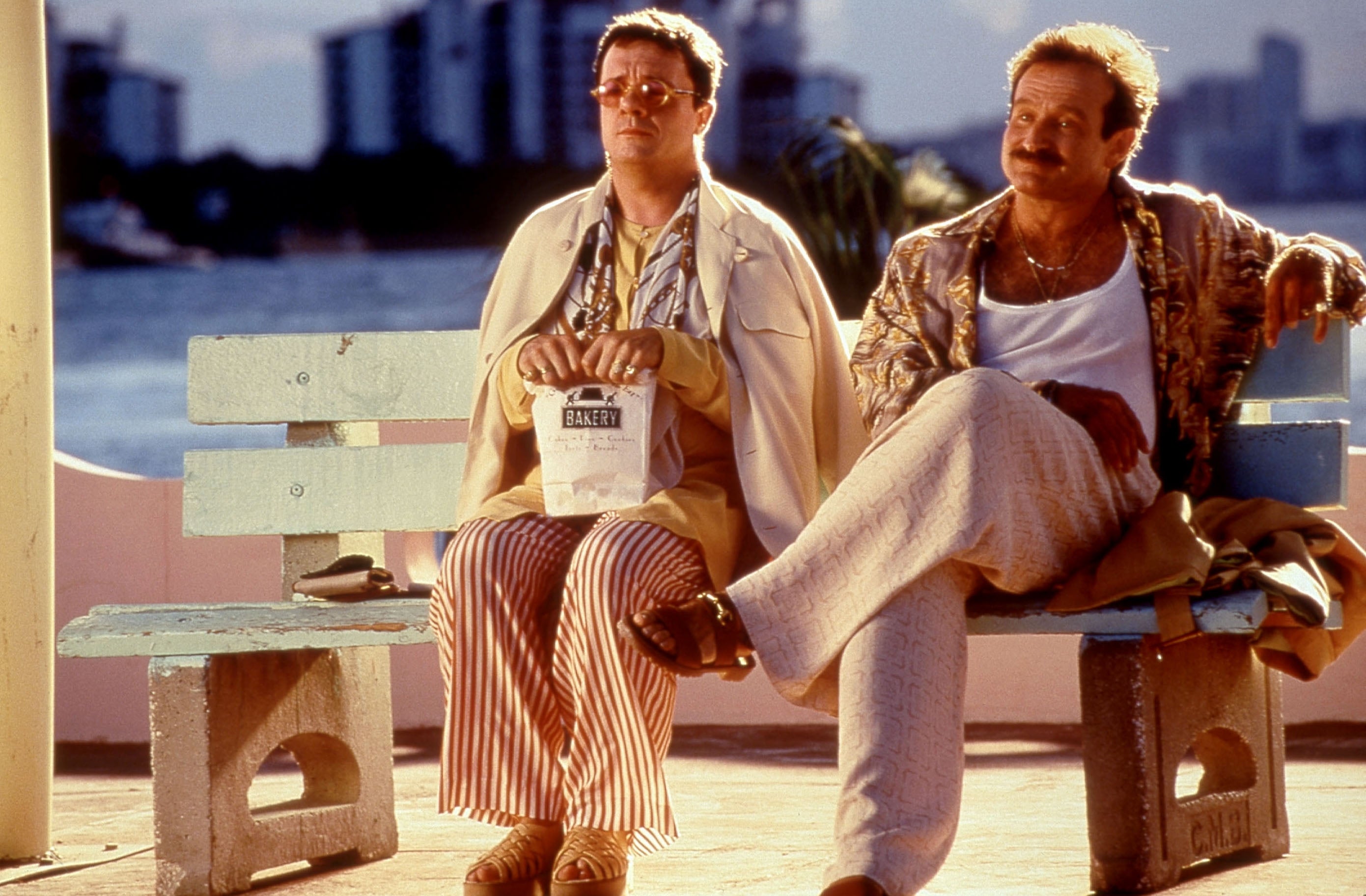
©United Artists/Courtesy Everett CollectionAccording to Lane, the film's director, Mike Nichols, then floated the idea of casting either Billy Crystal or Robert Redford in the role of Albert. However, Williams strongly supported Lane for the role, helping convince filmmakers that he was the right person for the part. The decision proved crucial, as Lane's larger-than-life performance became one of the film's most celebrated elements, while Williams provided a grounded counterpart that balanced the comedy.
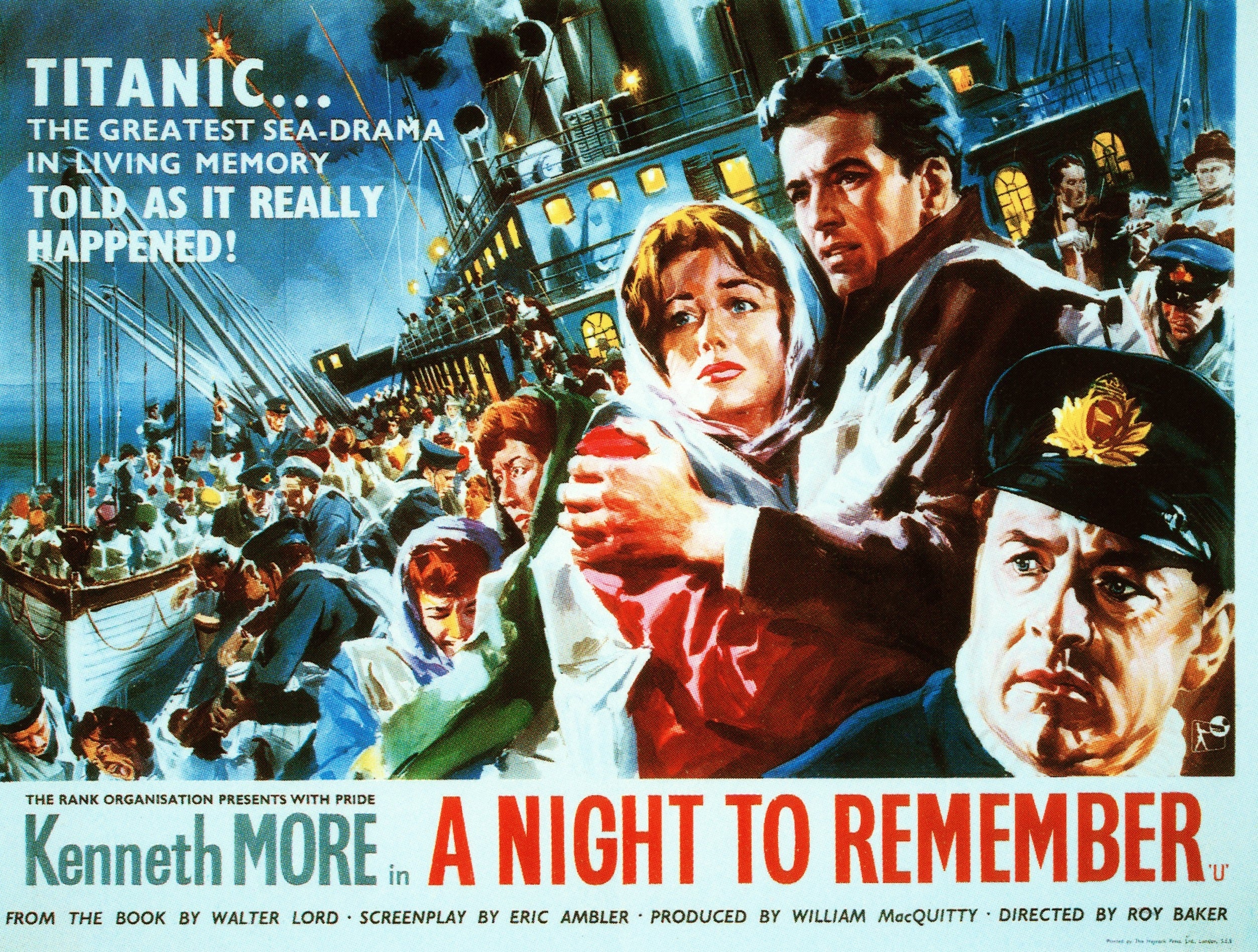
Getty Images15. Yes, many Titanic survivors watched the movies that came out later about it. In fact, they consulted on one. The first major movies about the ship didn't come out until the '50s, with 1953's Titanic and 1958's A Night to Remember. With A Night to Remember being widely considered the most historically accurate film portrayal of the sinking (yes, this includes 1997's Titanic).
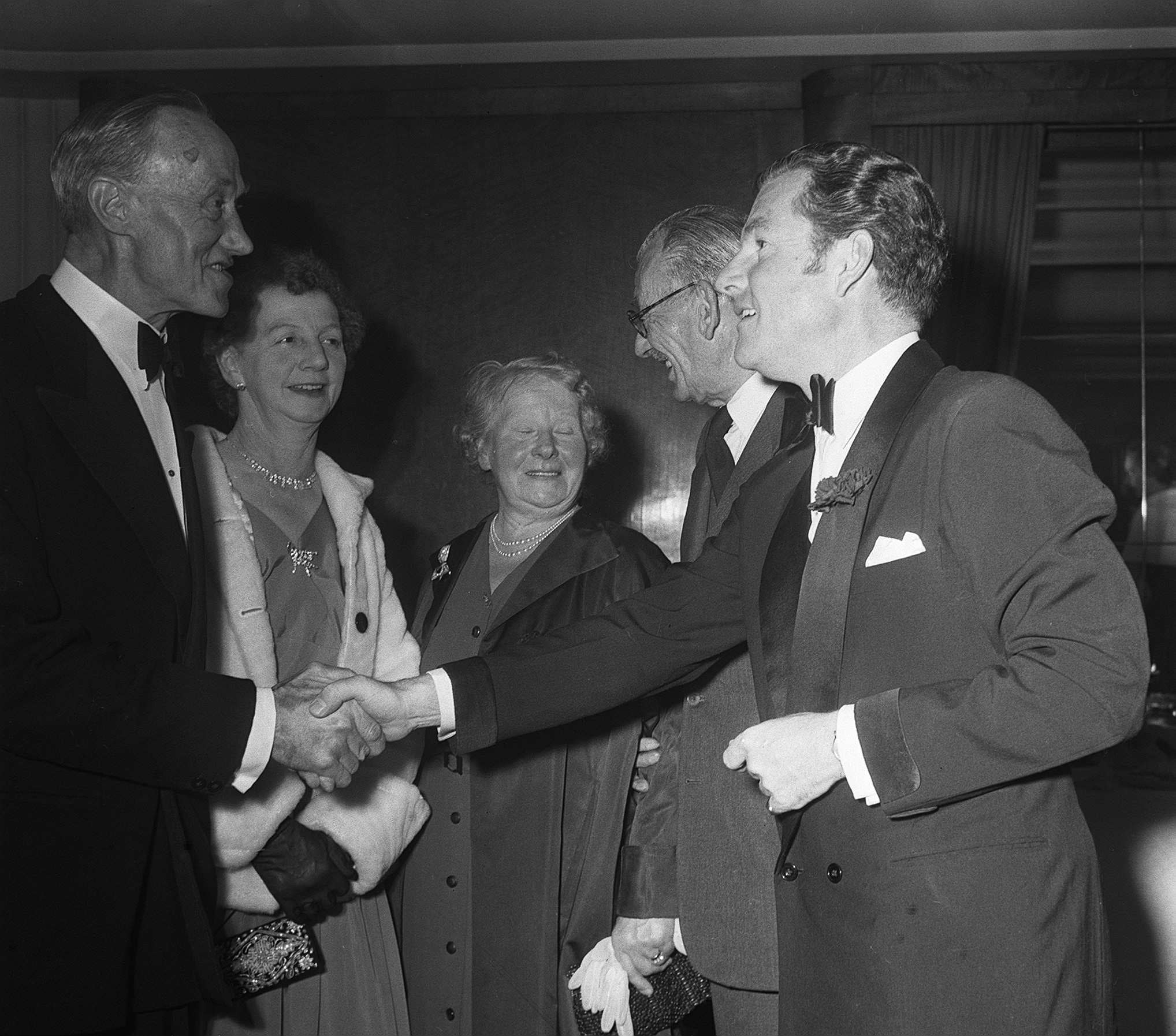
Mirrorpix / Mirrorpix via Getty ImagesThe movie was adapted from Walter Lord's 1955 non-fiction book of the same name, which was based on extensive interviews he conducted with actual Titanic survivors. When the book was turned into a film, many of the survivors who had spoken with Lord agreed to consult on the production. Including Titanic's fourth officer, Joseph Boxhall, who served as a technical advisor. Their input helped ensure the film's scenes, dialogue, and even small details, such as how passengers behaved, were true to life.
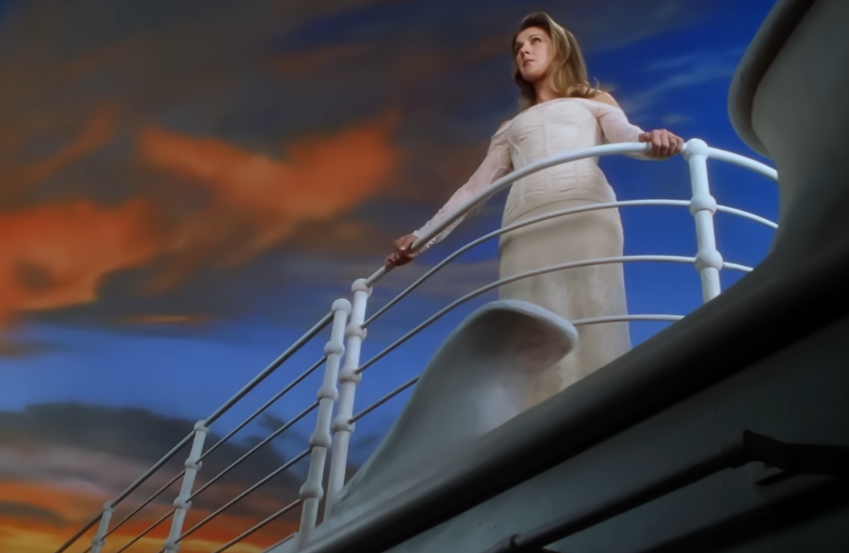
LMPC / LMPC via Getty Images16. James Cameron was vehemently opposed to having "My Heart Will Go On" be the ending credits song for Titanic. According to the movie's executive producer, Jon Landau, Cameron was "skeptical that a pop song would work at the end of this very dramatic, historical drama." While for her part, Céline Dion never wanted to sing the song. In fact, she actually hated it (but her late husband, René Angélil, persuaded her to do it).
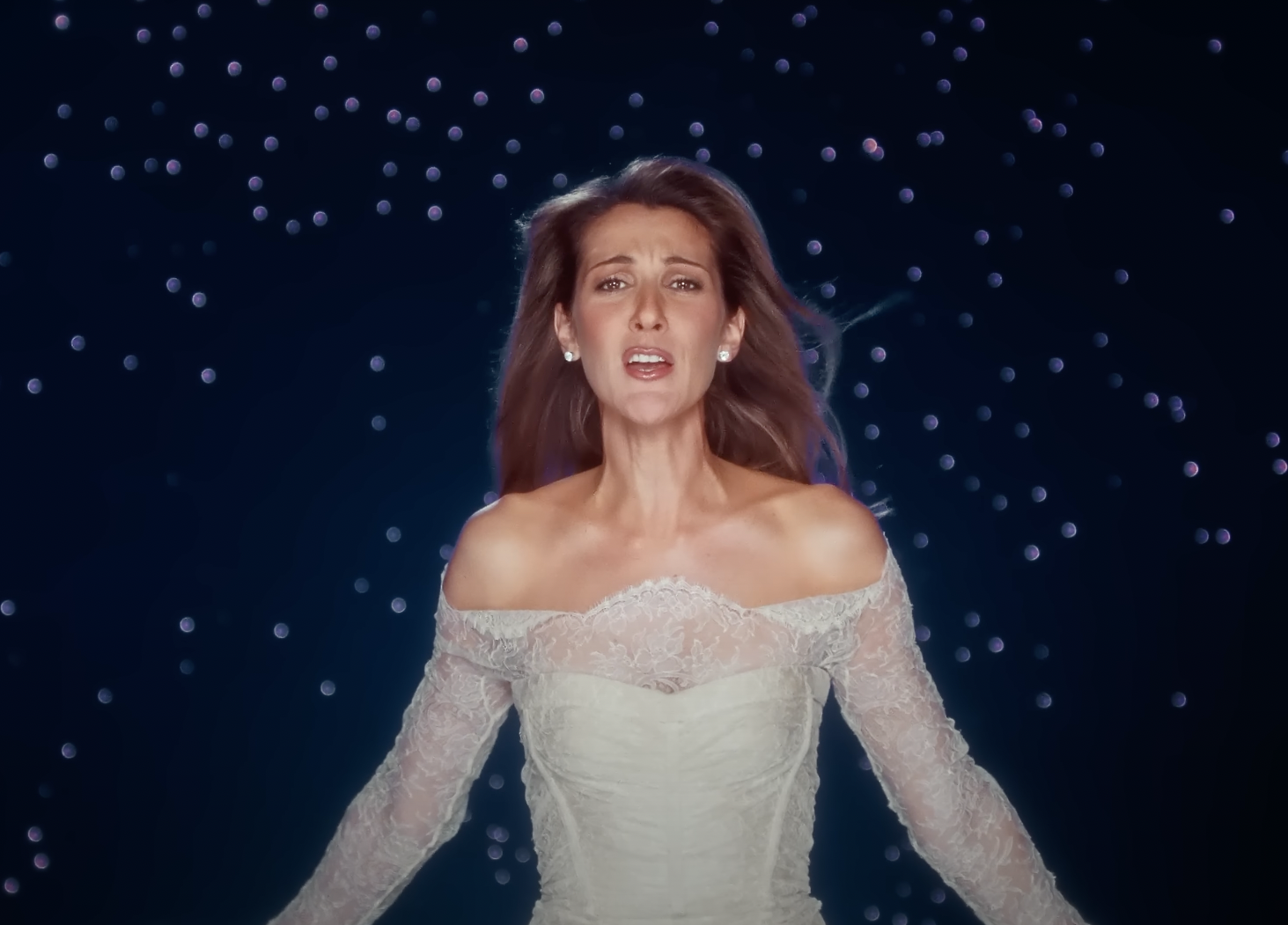
SME / Viayoutube.comThe studio put pressure on Cameron 'cause they felt the song could be good for marketing and because they had a deal with Sony Music for the soundtrack (and Sony wanted an end-of-film song to help sell albums). Dion agreed to sing a demo, but thought Cameron was never going to agree to it. James Horner, who composed the film's score and co-wrote "My Heart Will Go On," carried around the demo for weeks, waiting for Cameron to be in a good mood to play it for him. After he heard it, he decided to put it in the movie after being won over by the demo that Dion recorded.
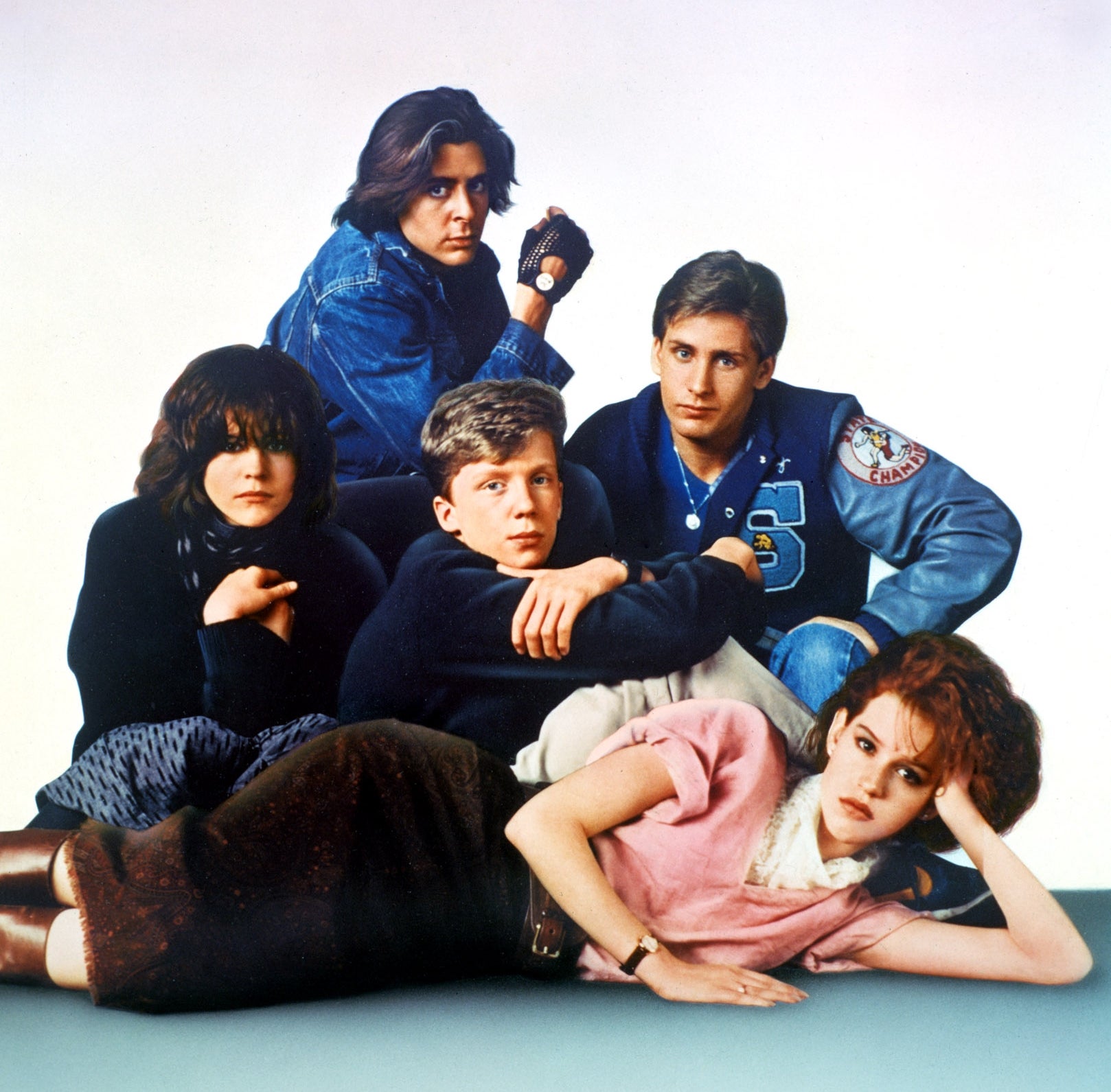
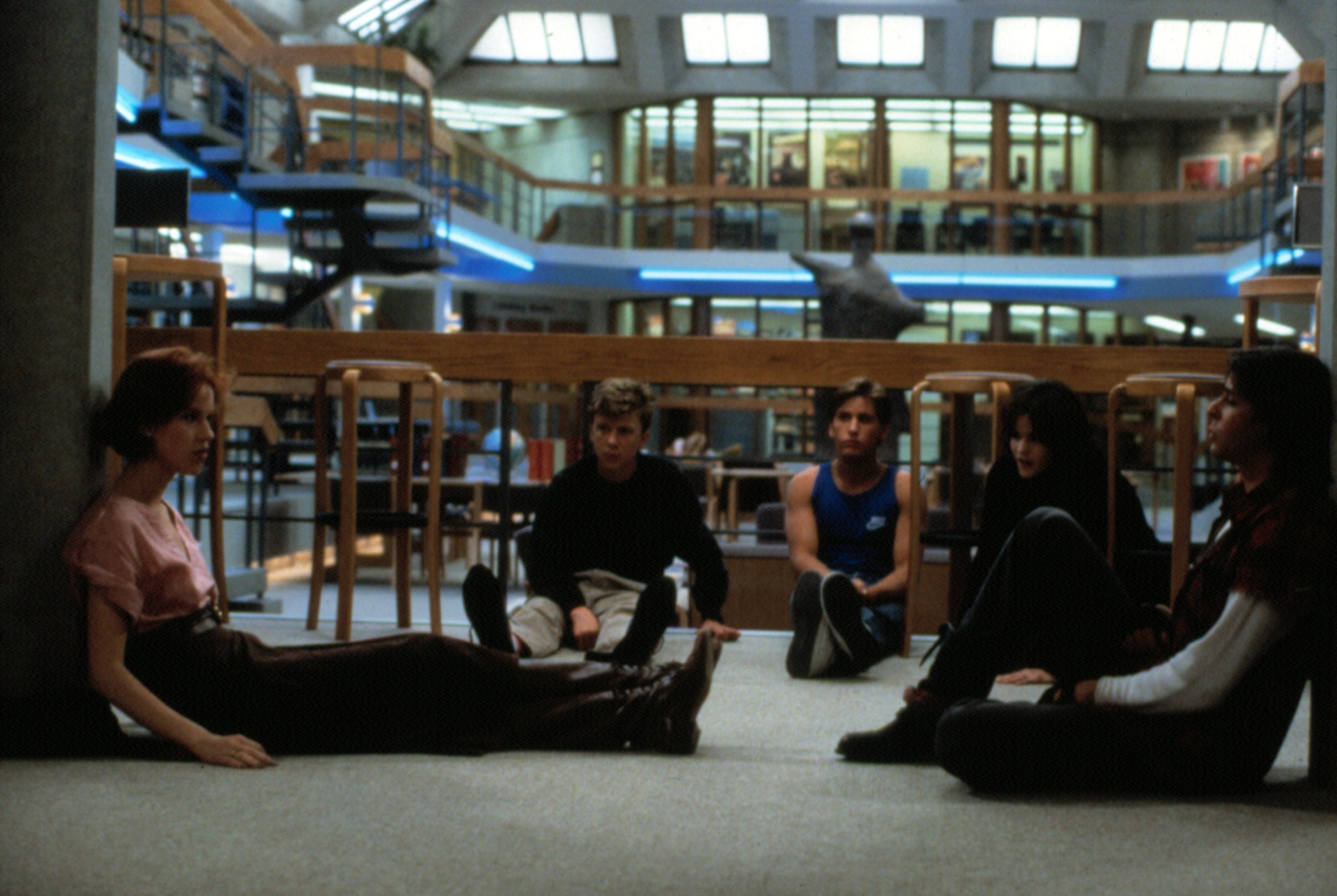
SME / Viayoutube.com17. When The Breakfast Club went into production, director John Hughes wanted it to feel as real as possible, so the movie was shot inside an actual high school in Illinois. Most of the scenes were filmed at Maine North High School in Des Plaines, which had recently closed, giving the crew room to take over the building. Of course, the story mostly takes place in a school library during Saturday detention, but the real library inside the building was too small to fit cameras, lights, and crew.
©Universal/Courtesy Everett Collection
Related: "Did Your Childhood Have These 10 Essential PBS Shows?"
Advertisement
To solve the problem, production designer John W. Corso built a full-scale library set inside the school's gymnasium. The set included a second-floor balcony to match Hughes' vision, but the gym had no proper air conditioning for that kind of setup.
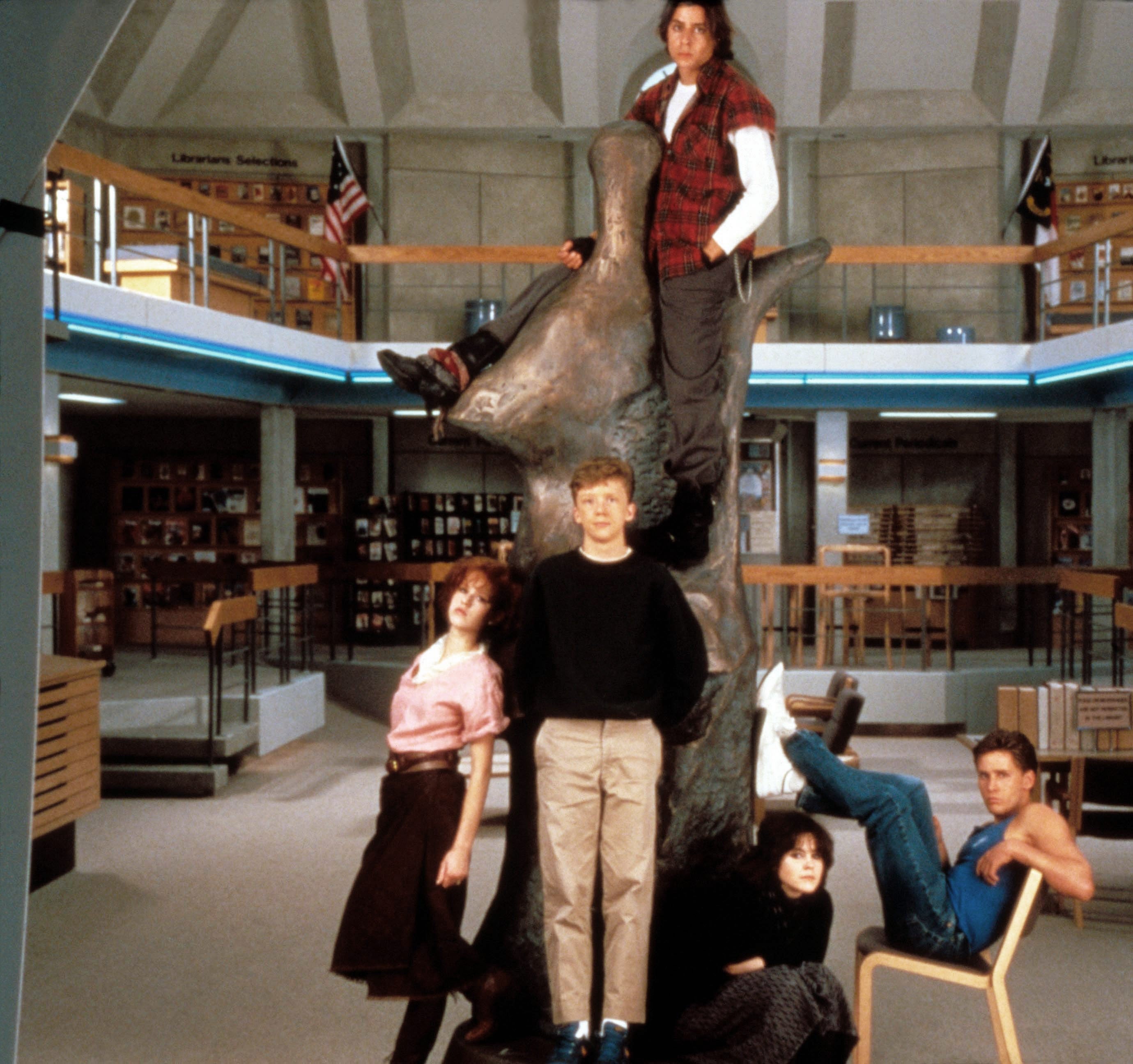
©Universal/Courtesy Everett CollectionThis caused one major issue: Once the hot studio lights were turned on, temperatures on portions of the upper level of the library set, where the cast and crew would wait between takes, became intense, sometimes reaching 95 to 110 degrees. The crew up there reportedly grew so overheated and exhausted that some would nod off during shooting, so to solve the issue they had to hire two additional assistant directors just to go around and make sure that everyone up there was awake.
©Universal/Courtesy Everett Collection18. When Back to the Future first hit theaters in 1985, it didn't end with the words "To Be Continued." The film was originally intended as a standalone story, but after it became a massive hit, Universal Pictures decided to move forward with sequels. By the time the film was released on VHS in 1986 (it took longer for films to get home video releases back then), the studio added the "To Be Continued" tag at the end to build excitement for Back to the Future Part II. Many fans who first saw the movie at home assumed that the message had always been there. Of course, in reality, theater audiences in 1985 never saw it.
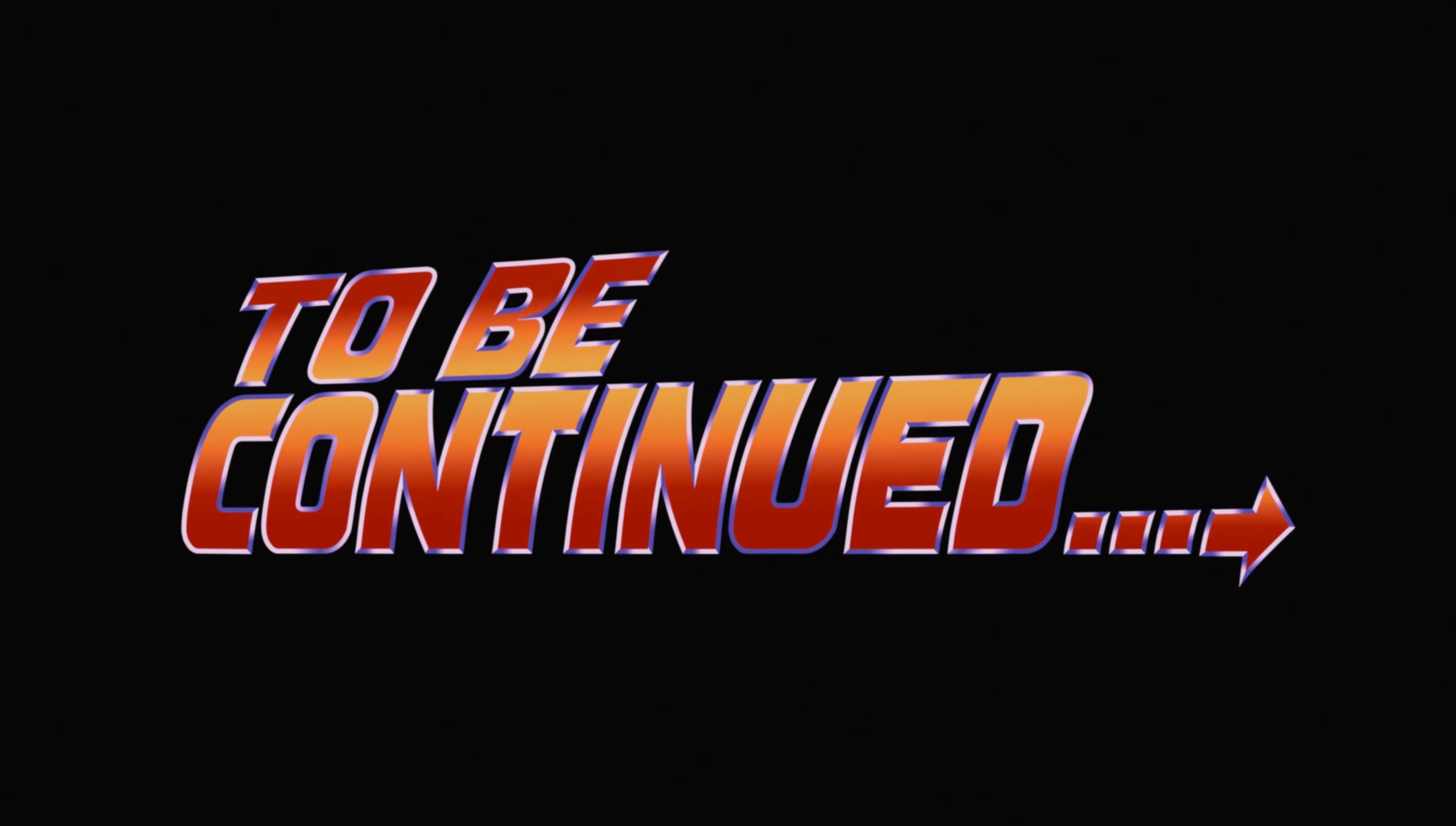
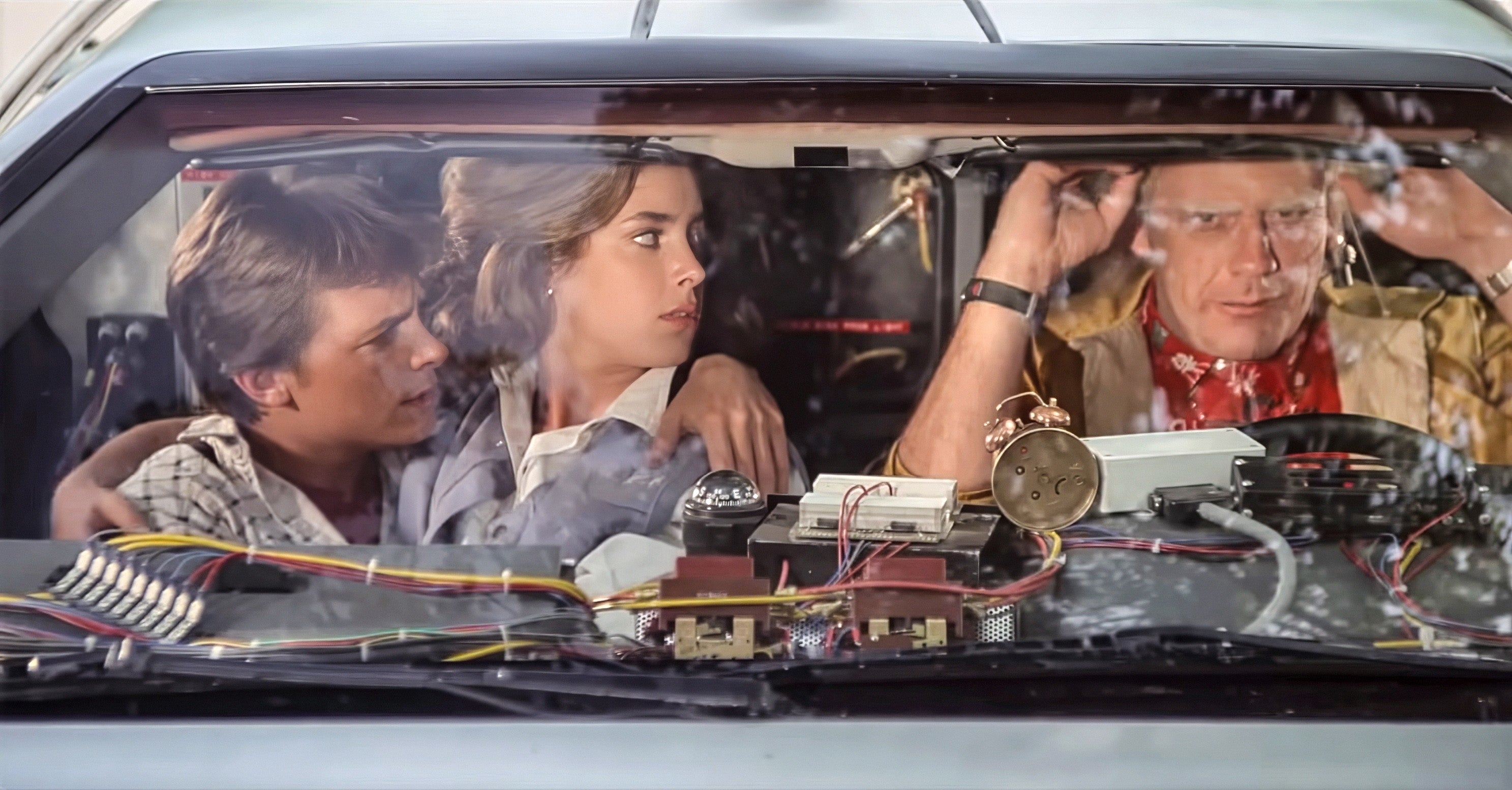
Universal / Viayoutube.comThe film's co-writer and director, Robert Zemeckis, has even said that if they had intended for a sequel, they would not have sent them into the future. He also said they would never have put Jennifer in the car with Marty, because it would have limited what his adventures could be. This is likely why they decided to add the plotline in which Doc puts Jennifer to sleep within five minutes of the second movie starting.
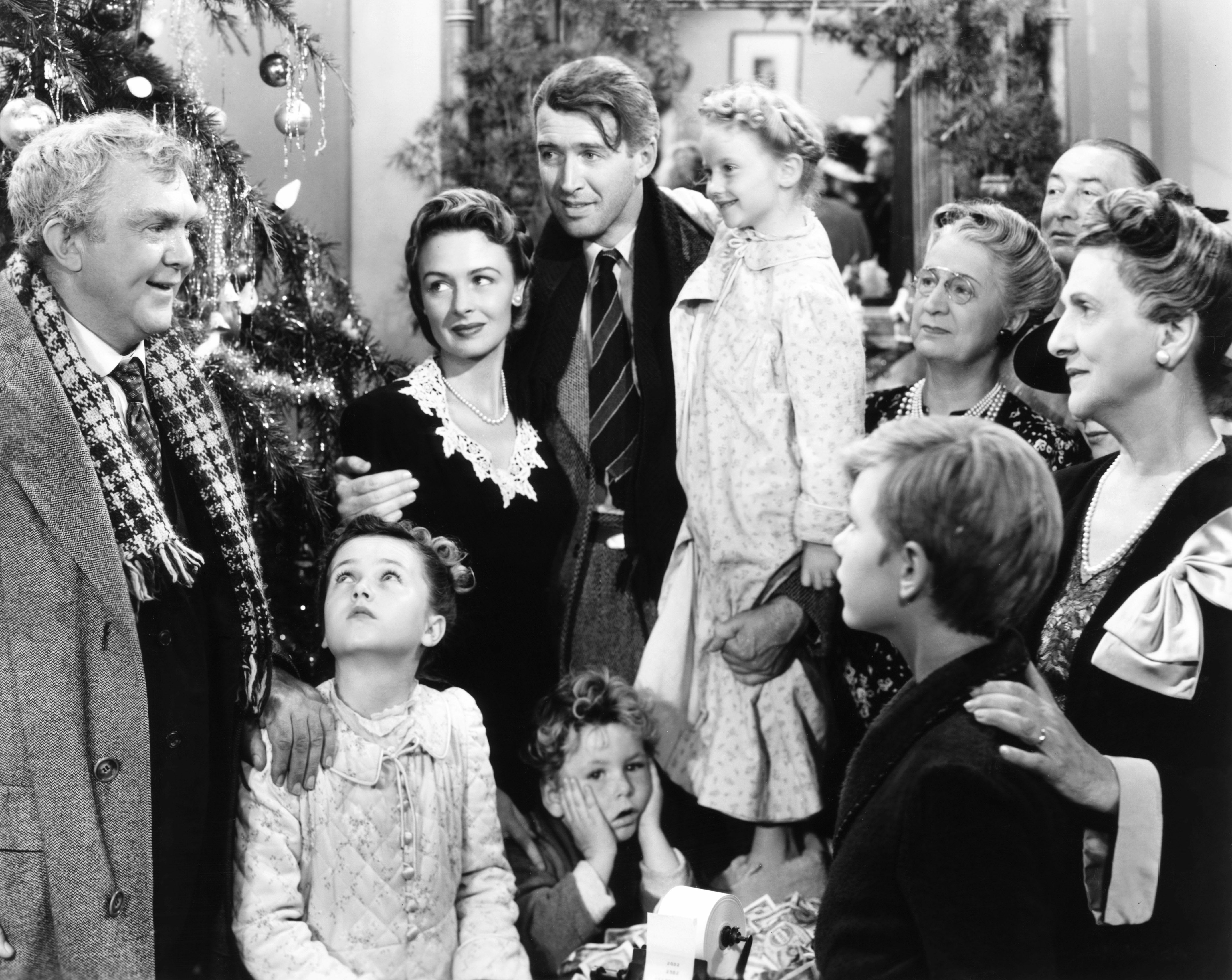
Universal Pictures /Courtesy Everett Collection19. It's a Wonderful Life was a box office flop when it was released in 1946, and it only became the classic we know today because its copyright lapsed. Despite it having alright reviews and five Oscar nominations, including one for Best Picture, It's a Wonderful Life lost money because audiences were more drawn to lighter films after World War II. The movie was produced by Frank Capra's Liberty Films and distributed by RKO Pictures, but, despite having heavy hitters behind it, it failed to recoup its budget.
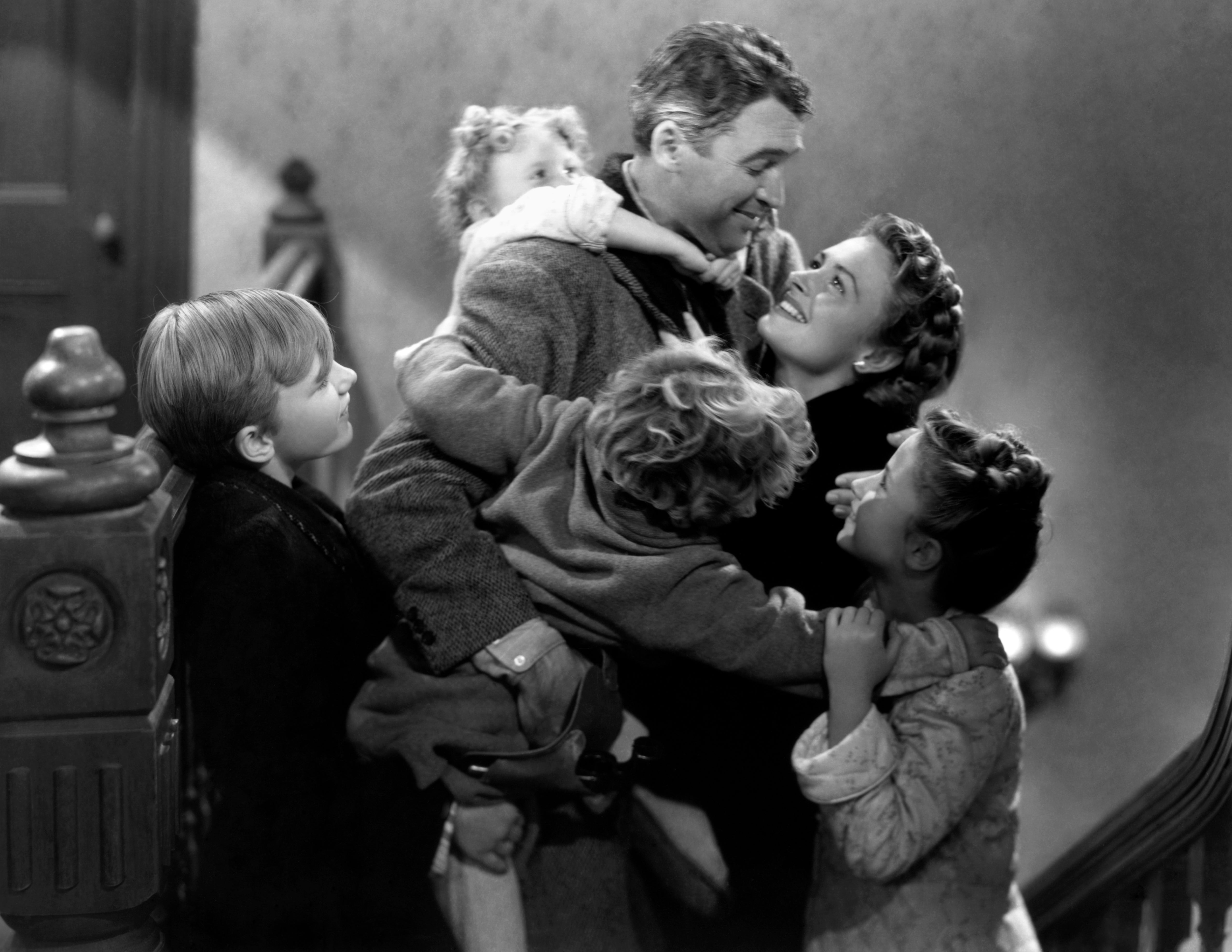
Herbert Dorfman / Corbis via Getty ImagesFor years, the movie was mostly forgotten...well, until a legal oversight changed everything. In 1974, the studio failed to renew the film's copyright, which meant it fell into the public domain. Because of that, TV stations could air it for free, and they started showing it constantly during the holidays. The repeated broadcasts introduced the film to new generations, turning it into one of the most beloved Christmas classics of all time. Funny enough, after it became a holiday classic, the film's director, Frank Capra, said in an interview with Life that he never set out to make a Christmas movie, saying, "I didn't even think of it as a Christmas story when I first ran across it. I just liked the idea."
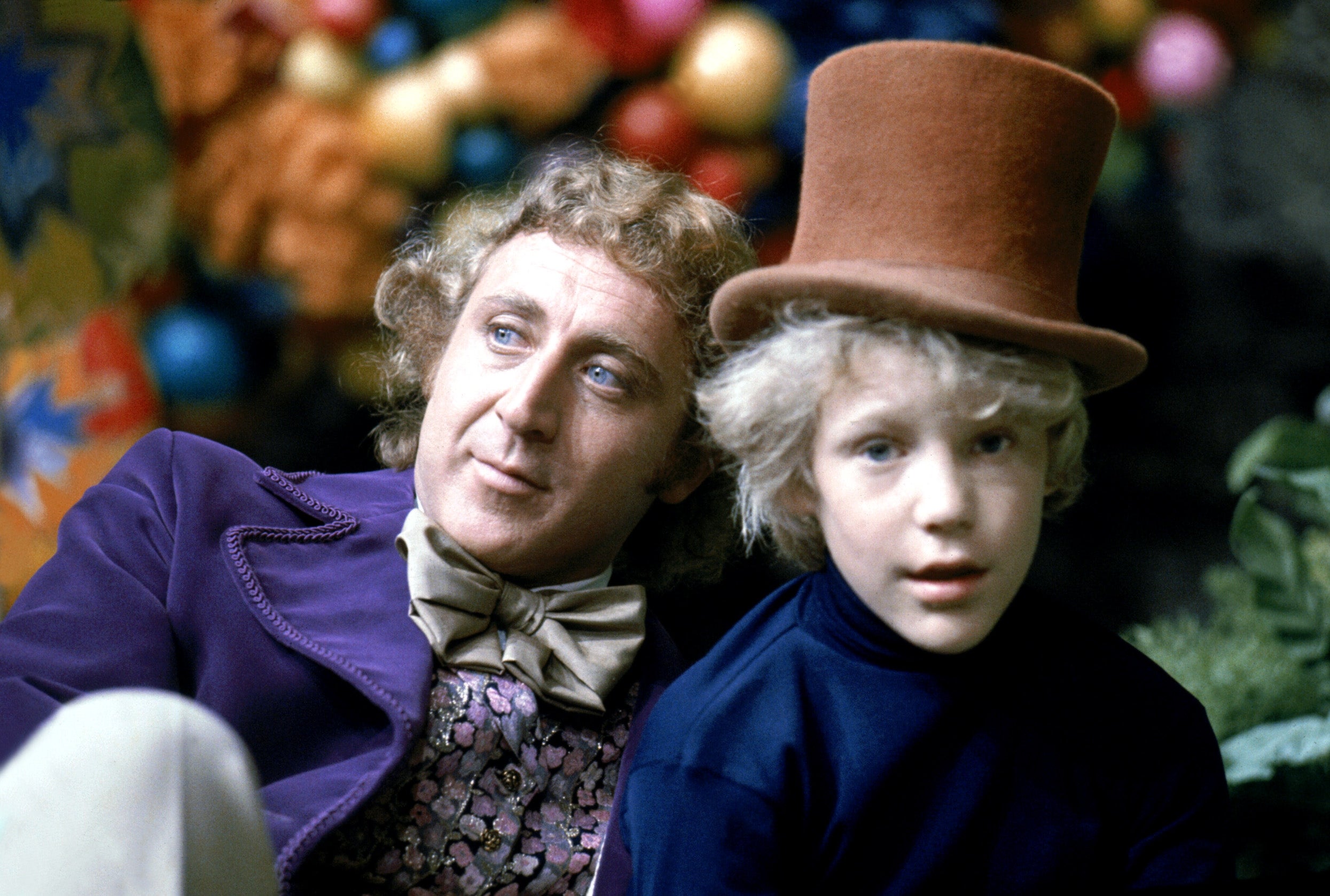
Everett Collection20. The Quaker Oats Company fully funded the 1971 Willy Wonka & the Chocolate Factory movie to promote a new line of Wonka-branded candy bars that it was launching. Yes, you read that right, the company funded the production to promote its new candy products, including the Willy Wonka Super Skrunch bar and Peanut Butter Oompas. Also, because of Quaker's involvement, the title changed from Charlie and the Chocolate Factory to Willy Wonka and the Chocolate Factory. The name "Willy Wonka" allowed Quaker to prominently feature their brand and tie it directly to the film.
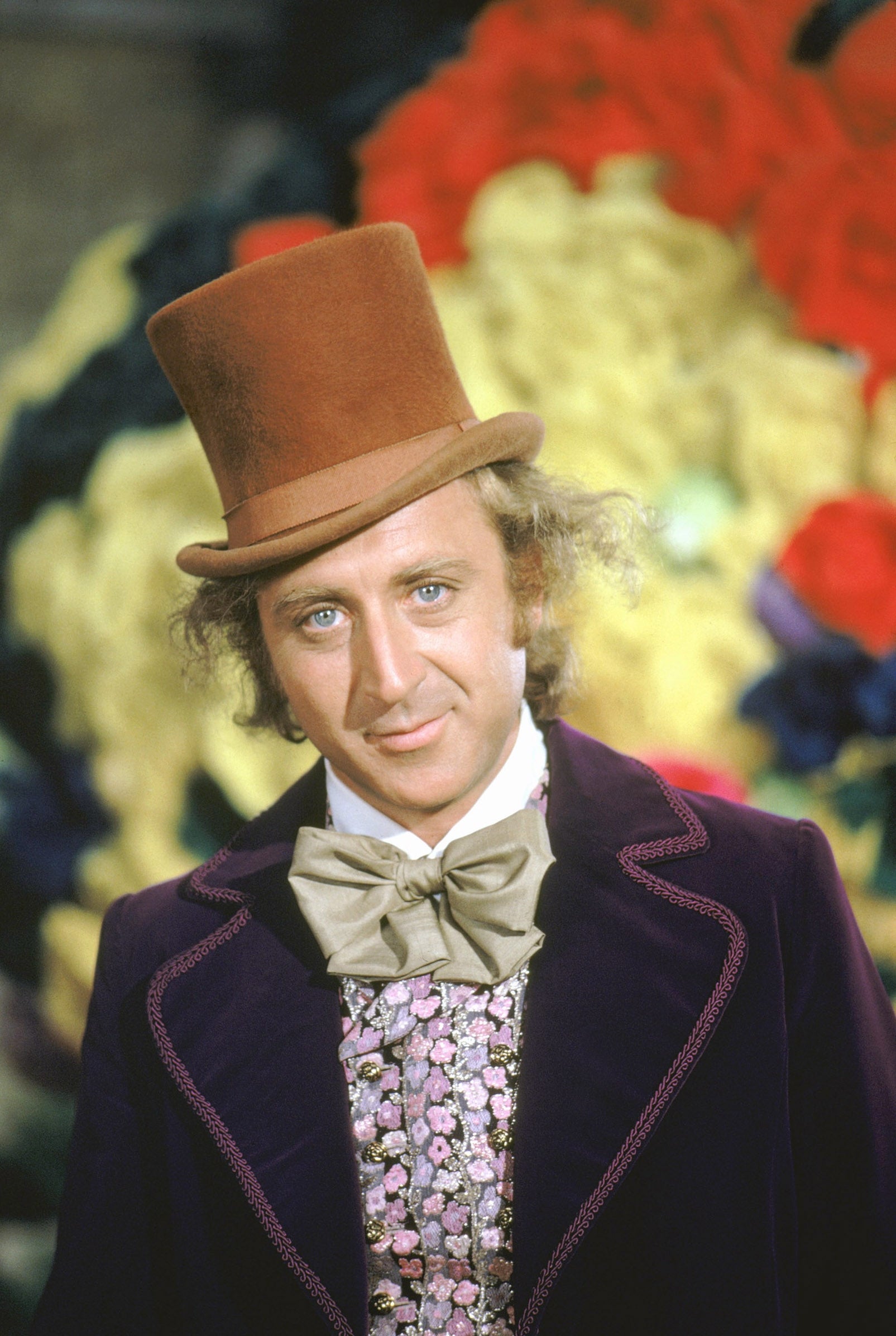
Courtesy Everett Collection, Smartstock / Getty ImagesIt all started when director Mel Stuart and producer David L. Wolper pitched the movie to Quaker, which, at the time, was planning its entry into the candy market. The film provided a marketing opportunity to coincide with the product launch. Some candy was even sold in theaters during the film's release, though the products ultimately failed and Quaker quickly abandoned the venture.
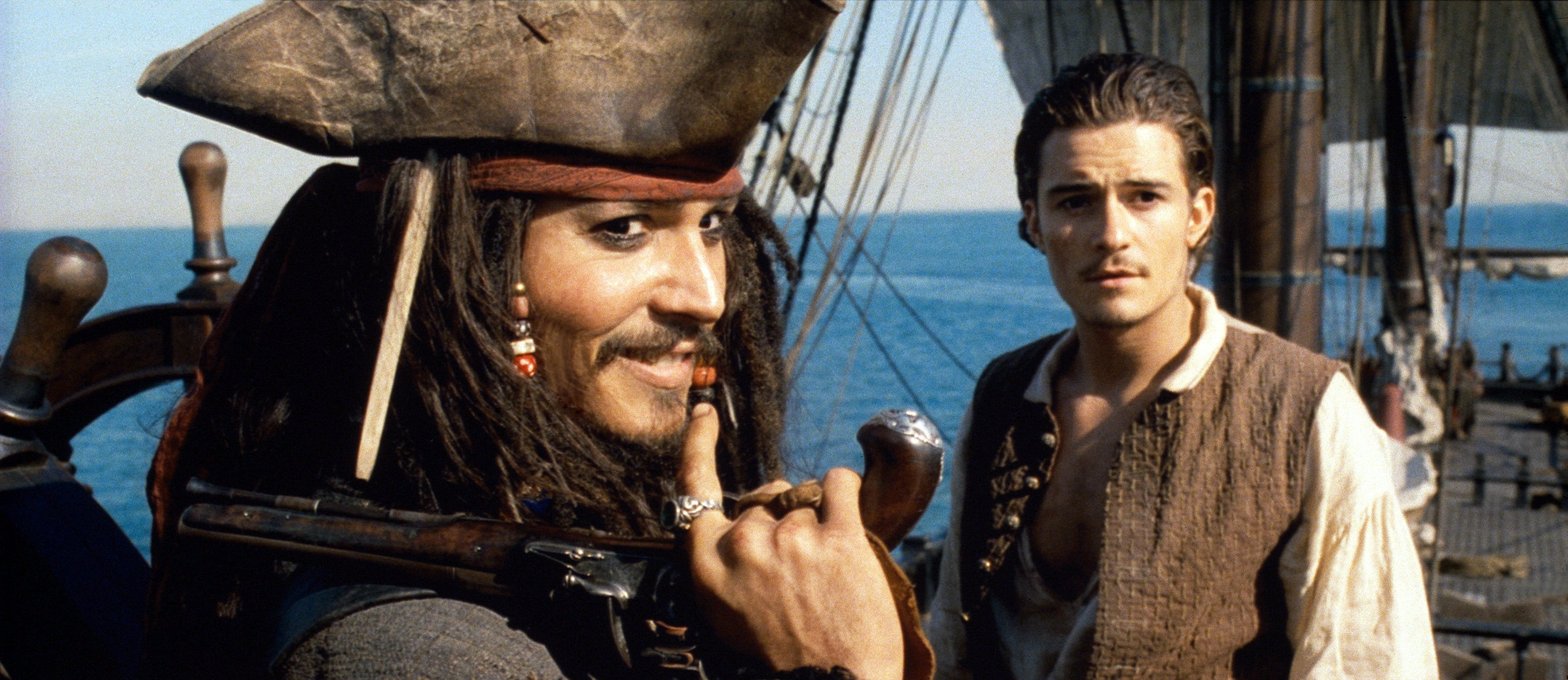
Courtesy Everett Collection21. And lastly, Pirates of the Caribbean: The Curse of the Black Pearl was widely expected to be a box office flop before it was released, and there were several reasons for that skepticism. At the time, pirate movies had a long history of failing at the box office (like 1995's Cutthroat Island), to the point that Hollywood largely avoided the genre altogether. Walt Disney Pictures was also taking a gamble by basing the film on a theme park ride, something that hadn't successfully translated into a major hit before.
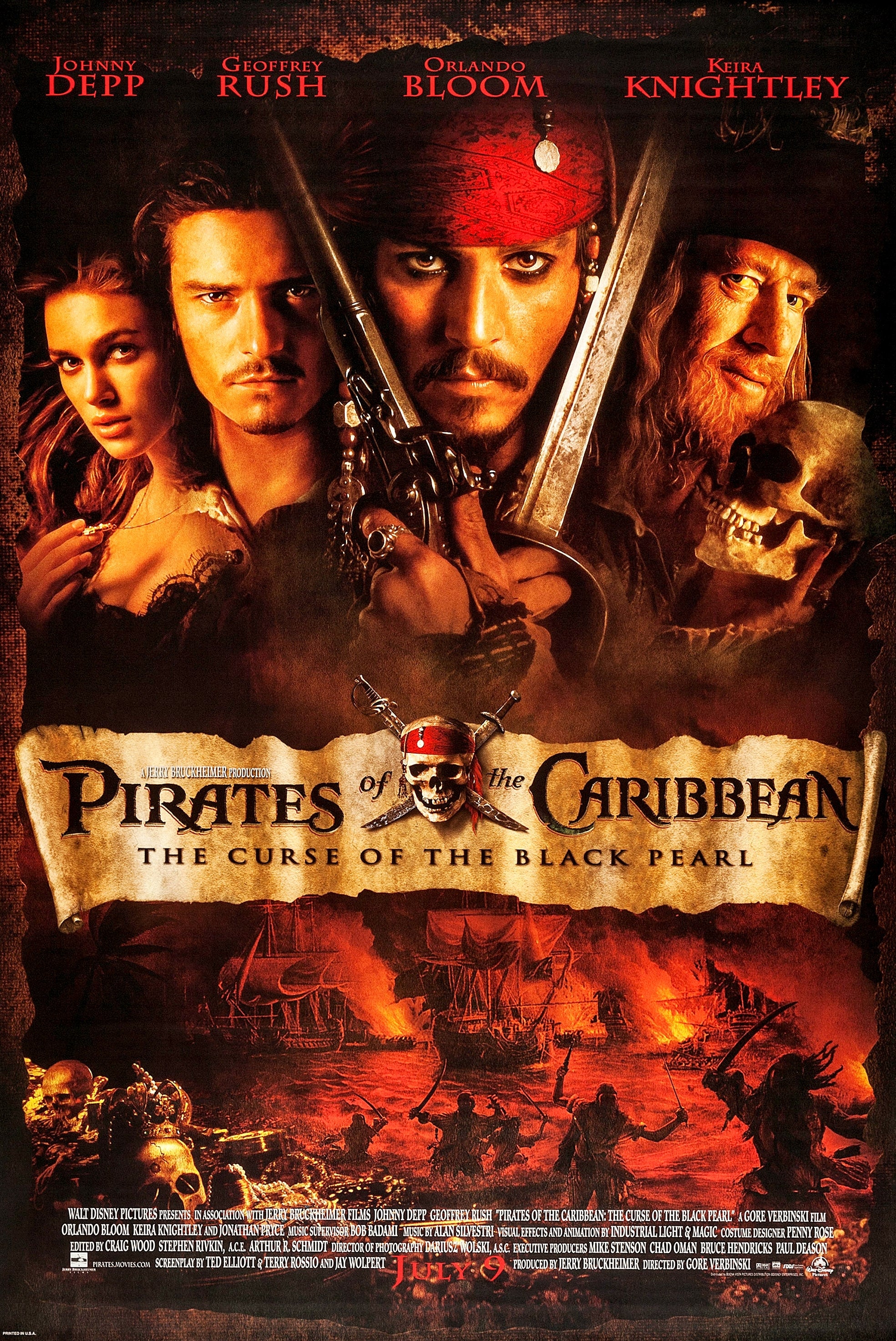
©Walt Disney Co./Courtesy Everett Collection / ©Walt Disney Co.The studio viewed the movie as a risky experiment rather than the start of a franchise. The film also faced doubts because of its unusual tone and Johnny Depp's eccentric performance, which some executives who watched the dailies initially found confusing or off-putting. Despite all of that, the film defied expectations, becoming both a critical and commercial success and earning over $650 million worldwide, and launching a franchise.
©Walt Disney Co./Courtesy Everett Collection
Your daily brain workout: Anyone Who Can Actually Complete This 25-Word Mega Word Chain Deserves A Medal And Bragging Rights Forever
Also in TVAndMovies: "Only Movie Buffs With Elite Taste Can Ace This Classic Films Quiz"
Also in TVAndMovies: "Test Your Knowledge Of The Famous Movie Quotes That Most People Get Wrong"
Read it on BuzzFeed.com
Source: “AOL Entertainment”
