


Freddie Highmore: ‘Keeley Hawes would be a brilliant James Bond’
Freddie Highmore: ‘Keeley Hawes would be a brilliant James Bond’
Claire AllfreeSat, November 7, 2026 at 10:05 AM UTC
0
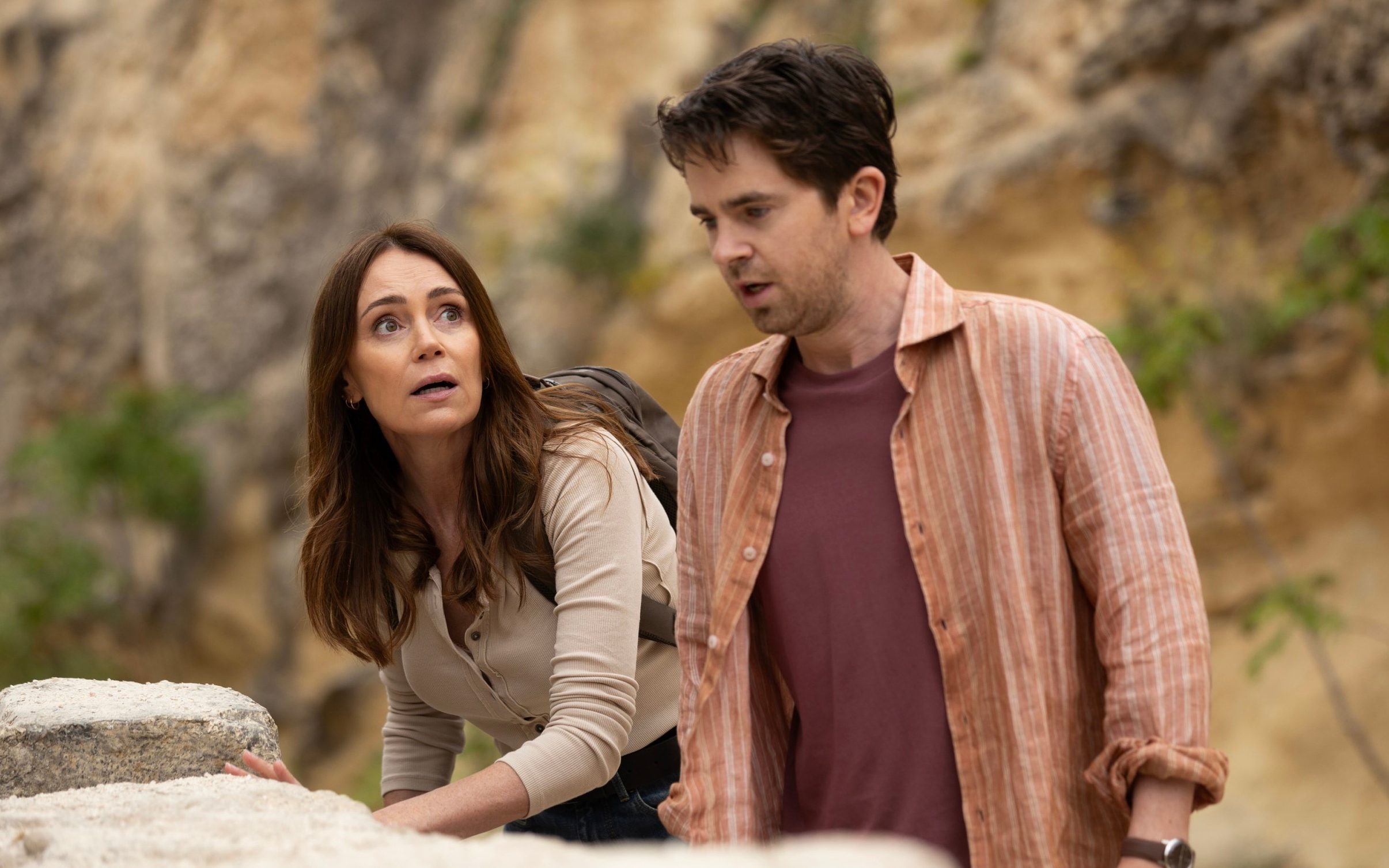
Keeley Hawes and Freddie Highmore co-star in Amazon Prime series The Assassin, which is returning for a second series - Two Brothers Pictures
The question everyone wants answered by Freddie Highmore is: why has this former child actor not toppled spectacularly off the rails? How has this seemingly well-adjusted 34-year-old Londoner avoided all the pitfalls that invariably snare a performer who begins their career while still in plimsolls (Highmore’s first film role was aged seven, in the 1999 British comedy Women Talking Dirty)? Why does the star of recent US TV hits The Good Doctor and Bates Motel not come trailing various broken marriages and stints in rehab; indeed, how come he is still working at all, given the number of actors who flare bright when young, only for their career to gutter out once they come through adolescence?
Highmore – who also starred as a child alongside Johnny Depp in both Finding Neverland and as little Charlie Bucket in Charlie and the Chocolate Factory – knows the question is coming and, polite chap that he is, has a ready answer. It’s simple: when he was young, he just never cared enough about acting.
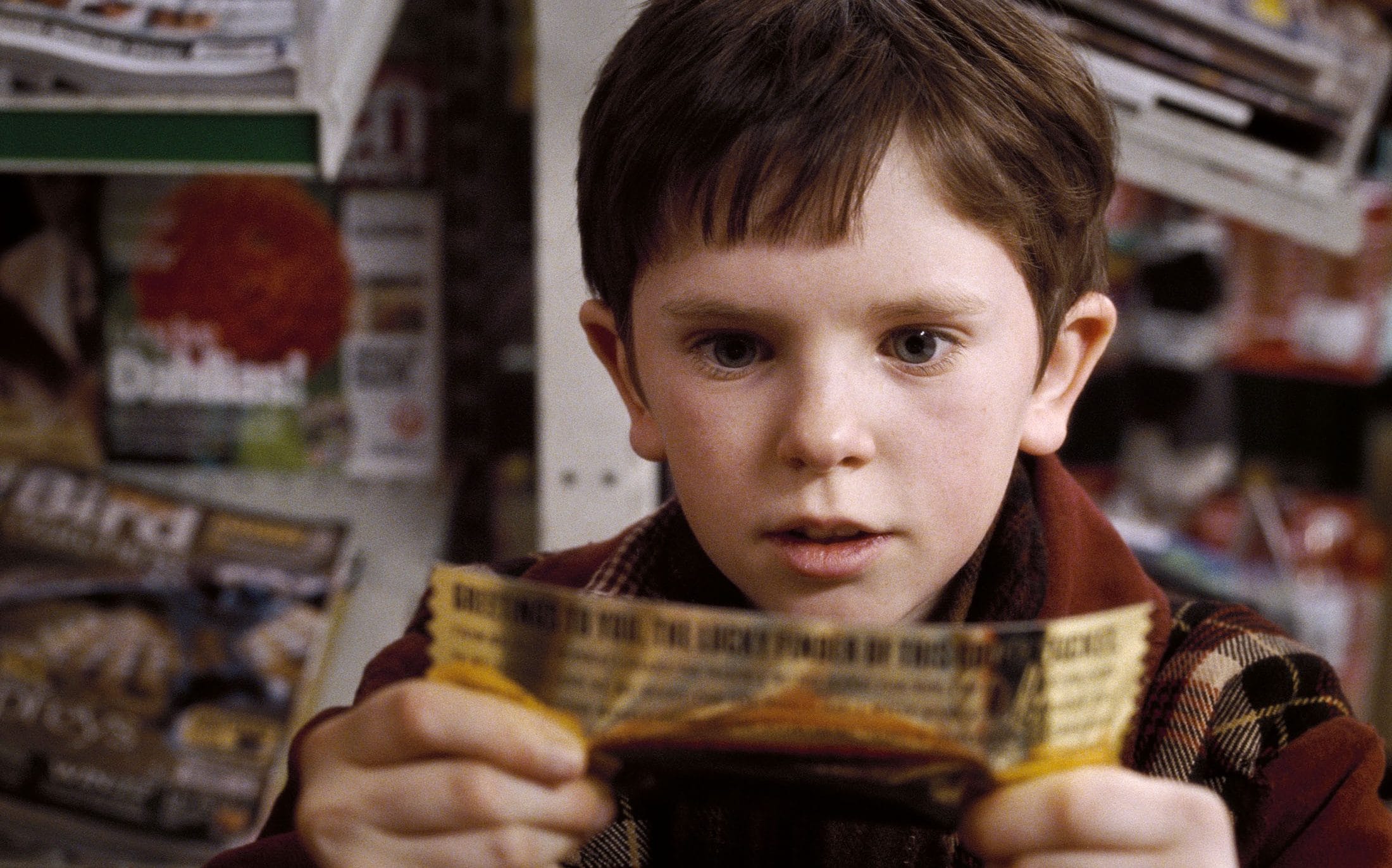
As Charlie Bucket in the 2005 adaptation of Roald Dahl’s Charlie and the Chocolate Factory - Reuters/Peter Mountain/Warner Bros
“I think for many people [who want to become actors] it’s the only thing that matters,” he says. “Particularly if you grow up in, say, Los Angeles, which is defined by Hollywood. You look at some child actors who have grown up in that ecosystem, and you can see how hard it would be to escape the trappings of it. But that was never the case for me. I was curious about acting, but I was never desperate to do it. And if you’d have asked me as a kid what I wanted to do when I was older, I would have said, ‘Play for Arsenal’ [Highmore, who is gently spoken and sweetly self-deprecating, is an avid Gooner]. I wouldn’t have said I want to be an actor and do this.”
Indeed, at Cambridge – where he studied Spanish and Arabic, gaining a double first – he did everything possible not to get into the profession, eschewing the university’s well-established theatre scene and lining up work experience at a Madrid-based law firm. He didn’t even apply to drama school. “I think I was searching for something else. And I was aware that doing something as a kid is very different to doing something as a professional career. But going to university gave me the perspective to actively choose to do it as an adult.”
It’s a good job he did. Highmore may not be a household name, mainly because he has spent the past decade working on American TV shows. But he is a strikingly sensitive performer, Golden Globe-nominated for his role as Dr Shaun Murphy, an autistic medic with savant syndrome in ABC’s long-running The Good Doctor, which finished in 2024.
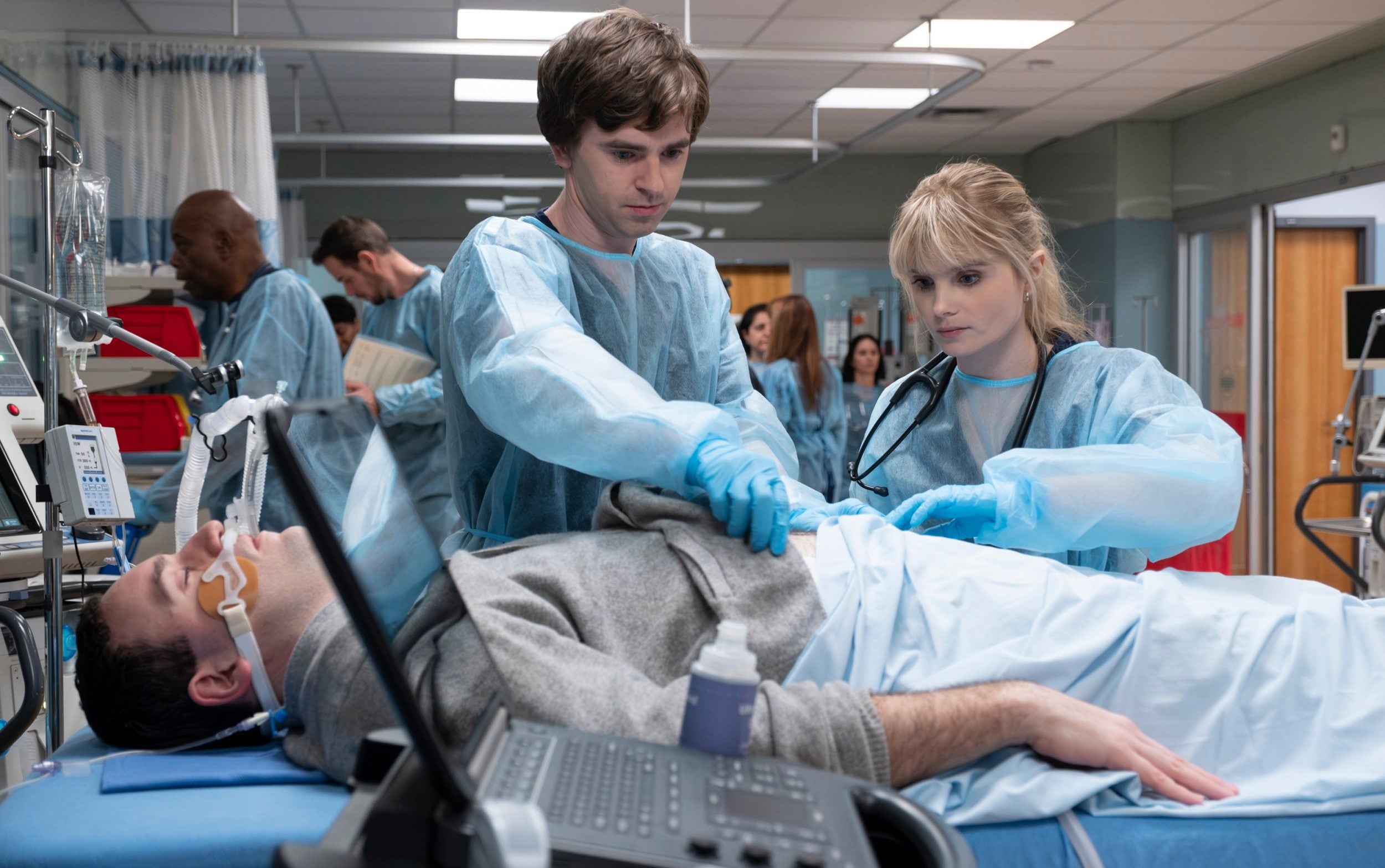
Highmore plays Dr Shaun Murphy, an autistic medic with savant syndrome, in The Good Doctor - Disney/Jeff Weddell
Now he returns in the second series of The Assassin – the classy hit Prime Video crime caper starring Keeley Hawes as a retired gun-for-hire (or “perimenopausal James Bond” as her adult son Edward, played by Highmore, calls her). Their characters are estranged following revelations about Edward’s real parentage, but when his wealthy new bride, Kayla, is kidnapped during their honeymoon, he knows there is only one person to call. Once again the series craftily balances extreme violence and screwball comedy, with Highmore a disarming, poignant presence as the nervy, fastidious, sensitive, vegan Edward, who visibly blanches each time his mother takes down yet another villain. (Hawes, for her part, is having the time of her life, often depicted wiping blood from her face while shoving a gun down her trousers.) Who does he think would win in a fight between him and Hawes?
“Ha, I think the best answer is to say Keeley,” Highmore tells me. “But we both have a tremendous work ethic. If the shoot had run on to 3am and we had to stage a fight, we’d fight to the death. We are both extremely tenacious. So it would probably end up being a battle of mental strength as much as anything.” Does he think she’d make a good actual James Bond? “Absolutely. She’d be brilliant.” Would he? “I’ve never been in the running.” Highmore says this with a palpable tinge of regret. “I think the first time round I was too young. And no one has mentioned it this time. But even if I was, it’s fair to say that Edward is not my audition tape.”
Indeed, Edward is unquestionably an underdog rather than a hero, precisely the sort of character at which Highmore excels. “I do love an underdog. It might be something to do with arriving on American sets with a British sensibility. You know that Edward is not going to be able to save his wife by himself, or outrun or fight or outgun these bad people who are doing horrible things. But part of you is hoping that he will.” Indeed, Highmore is so sympathetic to the underdog cause that he can even salute League Two Fleetwood Town’s recent fairytale win over Arsenal in the Carabao Cup. “There was something magical about that. You can only celebrate the quirky British football competition system that allows that to happen.”
Advertisement
Highmore had a solidly British upbringing. He grew up in north London, and both his parents are in the industry: his mother is the agent Sue Latimer, who counts Daniel Radcliffe among her clients, while his father is the former actor Edward Highmore – best known to a generation of, let’s face it, mainly women now in their 60s and 70s, as golden-haired Leo from the glossy 1980s BBC drama Howards’ Way, set within a yachting community on the south coast. (Highmore is like a brown-haired version of his father – his eyes in particular are distractingly similar.) Neither pushed him into the industry and they were careful to ensure his acting work was always extracurricular to his school commitments. “They weren’t exactly Mamma Rose [the overbearing stage mother in Sondheim’s musical Gypsy],” he says. “Instead they always insisted I had double the mandatory amount of tutoring on set, meaning I never had any trouble settling back into school. To some extent, I think that saved me.”
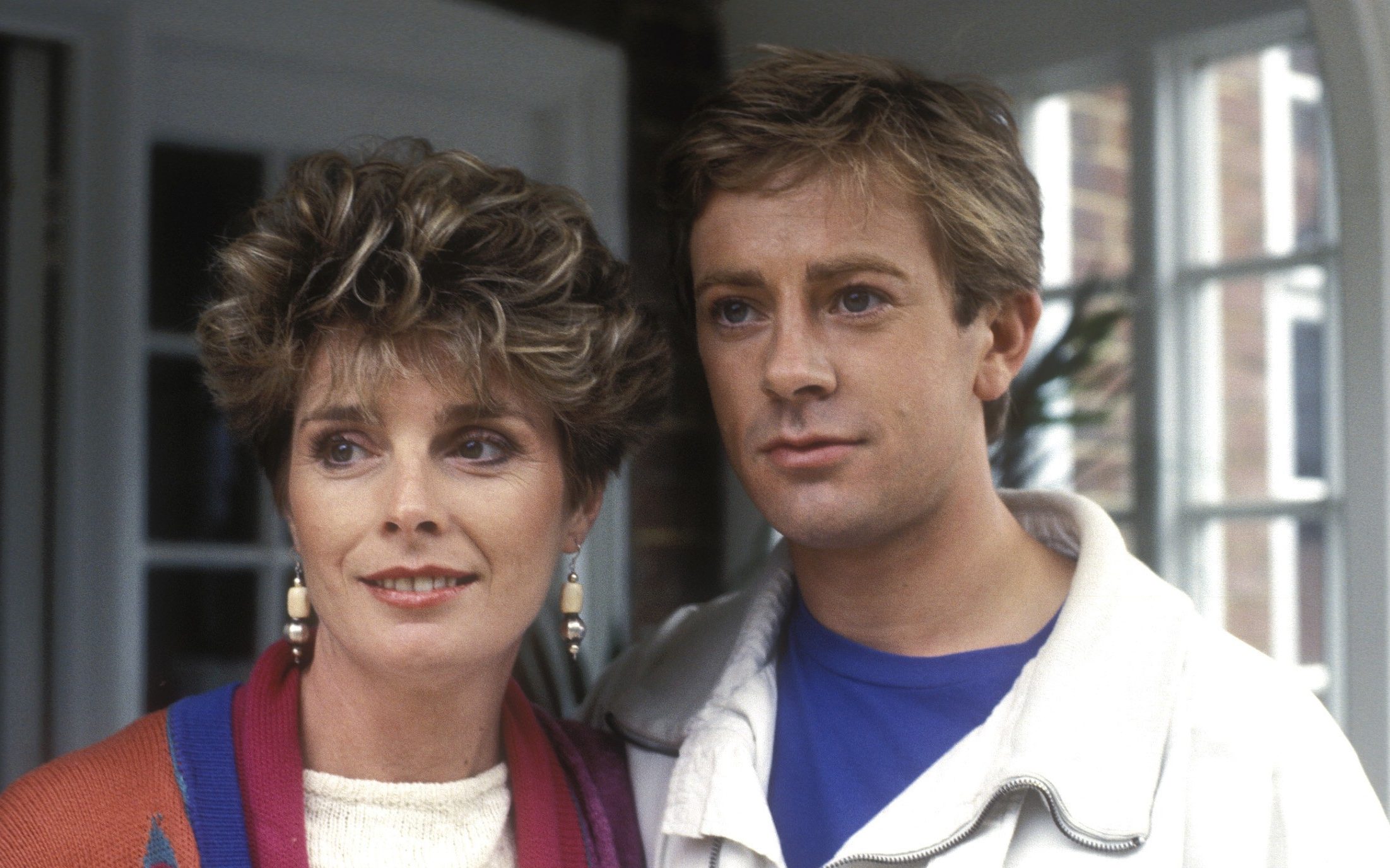
Highmore’s father, Edward, was also an actor, and played Leo in the 1980s BBC drama Howards’ Way (with co-star Jan Harvey) - BBC
Throughout his childhood, Highmore lived mostly for football training on Sunday mornings. But then came the 2004 biopic of JM Barrie Finding Neverland, in which he played the grief-stricken little Peter Llewelyn Davies, wise beyond his impossibly tender years. Depp, who played Barrie, was so impressed with Highmore’s performance that he put him forward for the role of Charlie Bucket in Tim Burton’s 2005 film. You could argue that, to some extent, Highmore owes his career to Depp.
“I know it’s difficult to talk about Johnny in the present day…” he says, referring to Depp’s brief “cancellation” following his former wife Amber Heard’s allegations of domestic abuse – Depp won a defamation case against her in 2022 in the US, after losing one in the UK in 2020 – “…and I don’t see him much anymore. But he was a mentor to me, and took me under his wing. He was a very paternal figure and very protective of me. And of course I worked with him on Charlie and the Chocolate Factory as well [Depp played Willy Wonka].”
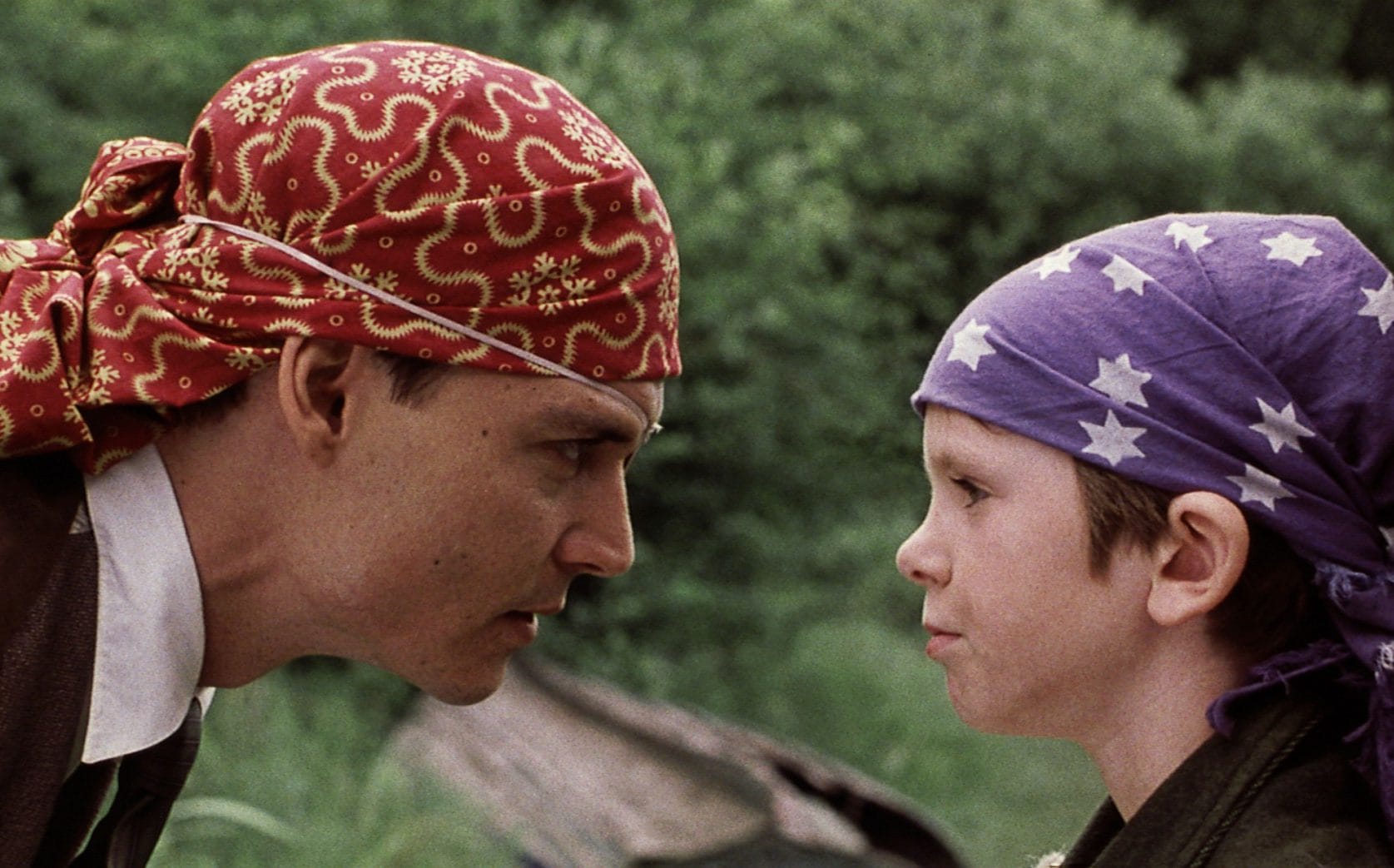
‘He was a mentor to me, and took me under his wing’: Johnny Depp and Highmore in Finding Neverland (2004) - Buena Vista International
What are Highmore’s views on Roald Dahl, whose books were the centre of a cancel culture storm in 2023 after Dahl’s publisher, Penguin, removed certain character descriptions that they considered to be offensive? In the new printed version, Augustus Gloop, for instance, is no longer “enormously fat” but “enormous”. “I don’t know much about that,” he says apologetically. “But the [original descriptions] were a fundamental part of the film. It’s an impossible question to answer, because these sorts of things are so case-specific. Sometimes people get it wrong, and sometimes people get it right.”
Highmore himself is quite careful not to say anything that might cause offence. When I ask him, for instance, whether he had any trepidation playing a character with autism in The Good Doctor [Highmore was an executive producer on the show and also wrote and directed some episodes], in light of the ongoing debate around authenticity casting, he gives a diplomatic answer. “I don’t think going into any role with fear or trepidation is the right approach,” he says. “But of course we wanted to represent autism as authentically as possible. And the most meaningful thing to have come out of that series is the number of people with experience in some form of autism who say that show has, in some tiny, small, little way, made a difference. We were always aware that it was more than just a television show.”
He thinks deeply about his responsibility as an actor. “I’m definitely drawn to particularly nuanced male characters that aren’t expected, and which showcase a different version of masculinity, whatever that ends up being,” he says. “I think we all have a responsibility, in terms of the characters portrayed on screen, to make sure we’re not showcasing certain sorts of unhealthy, harmful male stereotypes. There’s a fine line, but especially with television, you’re inside people’s homes. You’re having an effect on people’s lives, and there’s a part of me that always thinks about that and remembers.”
He is equally scrupulous about protecting his private life. There is a flash of a wedding ring on his left hand (we are talking over Zoom; he is currently filming a new David Shore drama, I’m Not Here To Hurt You, in British Columbia) and he and his wife, Klarissa Munz, were last year photographed with a baby. Nonetheless, questions about his private life are firmly off the table. He puts this down to the fact he came of age just before the dawn of social media, but I think it’s more than that. It’s not in his nature to be flashy or seek validation through self-exposure.
“I’ve never let acting define who I am,” he says. “You see in some actors who, if someone doesn’t like a job that they’ve done, they take it as a personal thing. But I’ve always had a healthy separation from all that.”
The Assassin is on Prime Video
Source: “AOL Entertainment”
