


Here’s how past midterm flips in Congress have impacted taxpayers
Here’s how past midterm flips in Congress have impacted taxpayers

J.R. Duren Tue, November 3, 2026 at 8:49 PM UTC
11
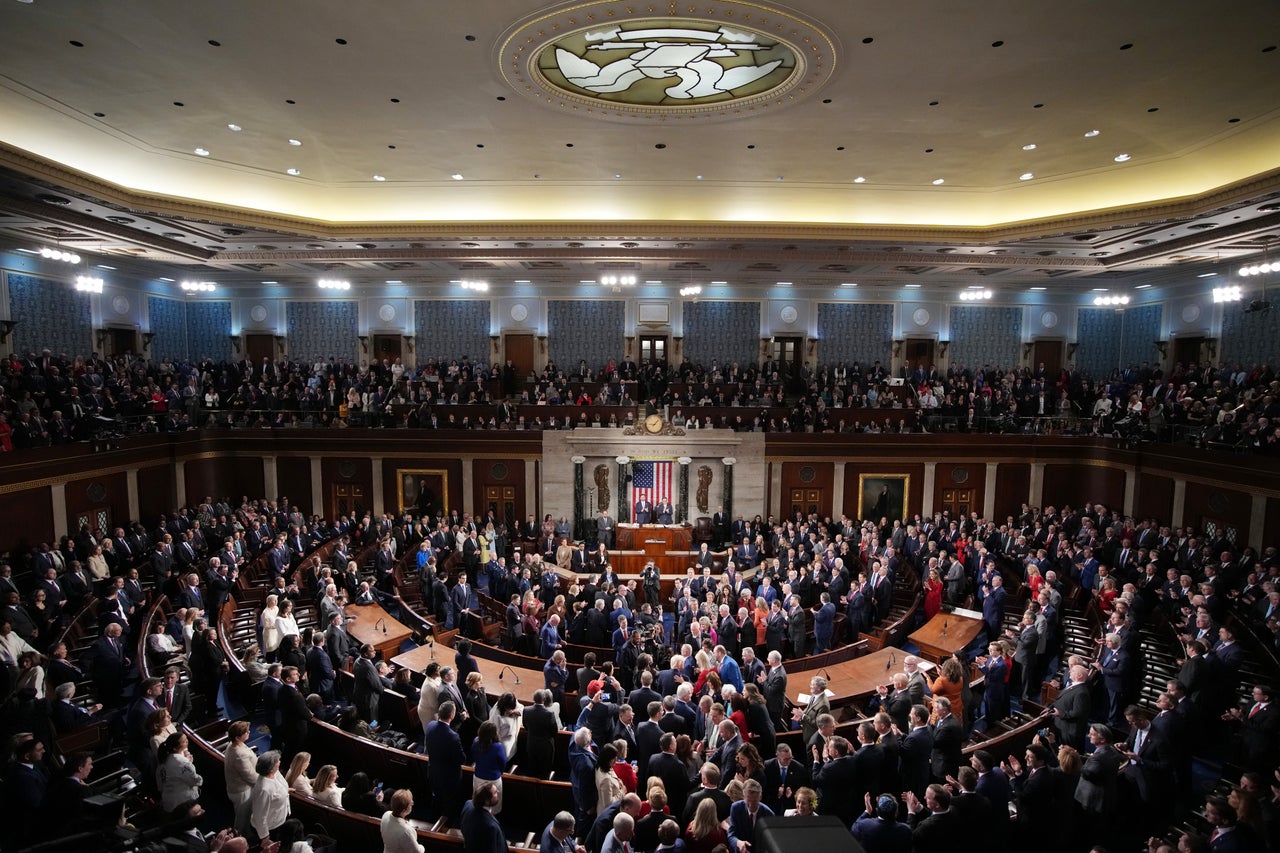
Over the past 32 years, flipping the House or Senate for either party has led to major tax changes, including the birth of key tax credits and deductions that are still active today (Getty Images)
With polls predicting at least the Senate or House will flip for Democrats in the midterm elections, many voters are looking to Congress for big change in the coming years.
Democratic House Minority Leader Hakeem Jeffries has vowed that his party will aim to end the Iran war, undo the Trump administration’s Medicaid cuts, and repeal the president’s tariffs.
“The entirety of the House Democratic caucus understands what the stakes are in terms of defeating MAGA extremism in November and then, as Democrats, getting off to a fast start in January,” Jeffries said in September.
Over the past 32 years, flipping the House or Senate for either party has led to major tax changes, including the birth of key tax credits and deductions that are still active today.
While some experts have warned of legislative standoffs in the coming years, history shows bipartisan change for taxpayers is possible.
1994: Republicans flip Congress
Some 32 years ago, Republicans took control of the House and Senate for the first time in four decades, leading to extensive budget and tax discussions between Republican leadership and Democratic President Bill Clinton.
Bipartisan action led to the Taxpayer Relief Act of 1997, landmark legislation that created the Roth IRA, Child Tax Credit, lifetime learning credit, and reduced the top tax rate for capital gains from 28 percent to 20 percent.
At the time, nonpartisan think tank The Tax Foundation estimated that the act would save taxpayers $95.3 billion in tax payments in the five years after the legislation went into effect.
“It is a fair plan that places a priority on education tax cuts and provides a child tax credit to families who work hard and pay taxes,” Clinton said when he signed the act on August 5, 1997. “It also incorporates Republican priorities in a good-faith effort to honor the budget accord and to reach final agreement on a tax cut the American people deserve.”
2006: Democrats flip Congress
Democrats took control of the House and Senate for the first time since the 1992 midterm elections. One year later, Republican President George W. Bush signed the Fair Minimum Wage Act of 2007 on May 25.
Advertisement
The legislation boosted the federal minimum wage from $5.15 to $7.25 an hour over two years. It went from $5.15 to $5.85 after 60 days of the legislation being enacted; from $5.85 to $6.55 12 months after the first increase; and from $6.55 to $7.25 two years later.

After Democrats flipped Congress in 2006, they worked with President George W. Bush to pass the Minimum Wage Act of 2007 (Getty Images)
The act also included tax incentives for small businesses, an essential part of Bush's support for the minimum wage increase pushed by Democrats.
“The Administration appreciates the Senate Finance Committee's willingness to respond in a bipartisan fashion to the President's call to enact a minimum wage increase matched with tax relief for small businesses,” the Bush administration said in early 2007.
2010: Republicans flip the House
Republicans gained control of the House halfway through President Barack Obama’s first term, and this set off a battle between the House and Senate over budgets that nonpartisan think tank Brookings Institute called “fiscal fights.”
Those clashes resulted in the bipartisan Tax Relief, Unemployment Insurance Reauthorization and Job Creation Act of 2010, which extended George W. Bush-era tax cuts, recession-related unemployment benefits, and several other tax-related provisions for another two years.
During Obama’s second term, Congress passed the 2012 American Taxpayer Relief Act, which made many of Bush’s temporary tax cuts for lower- and moderate-income taxpayers permanent, according to the nonpartisan Center on Budget and Policy Priorities.
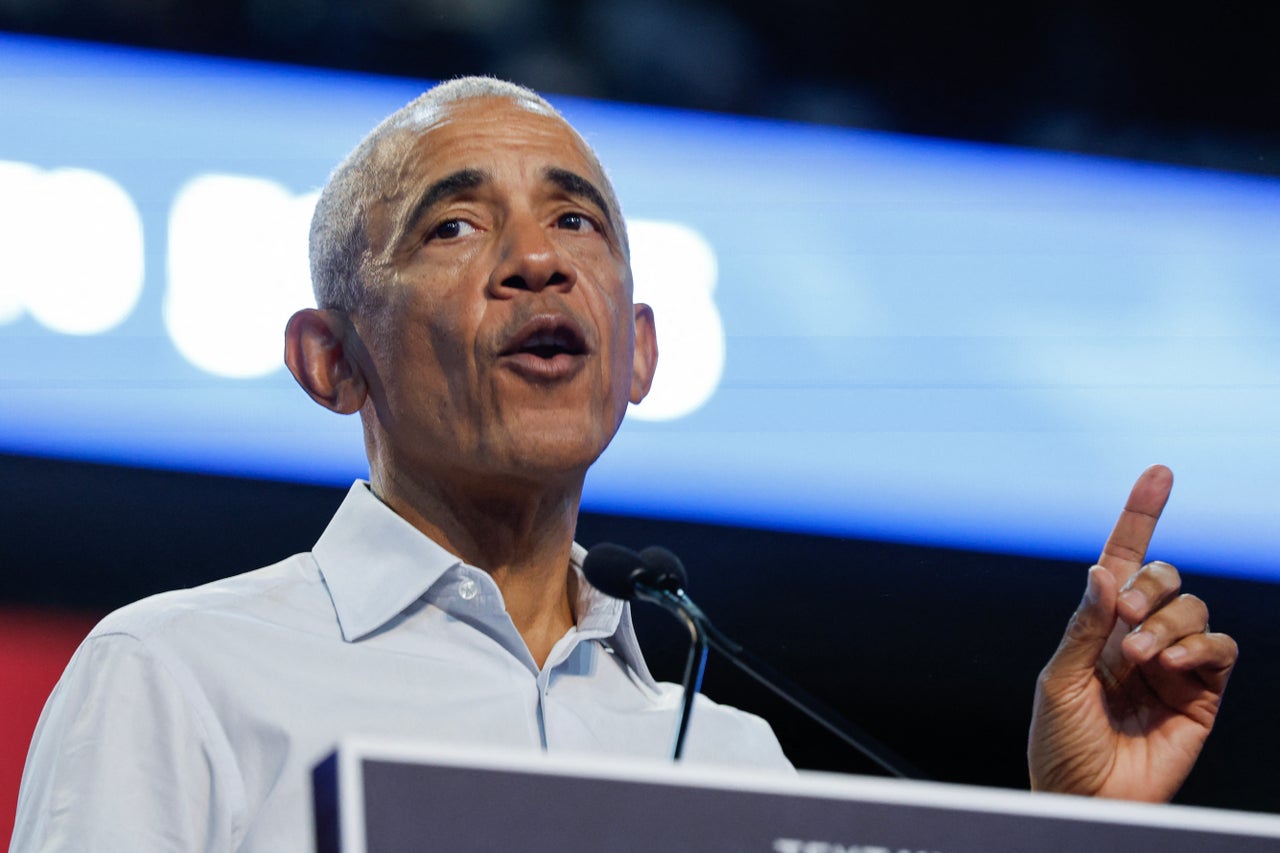
Republicans and Democrats worked together to pass critical taxpayer-relief legislation during President Barack Obama’s two terms (AFP/Getty)2018: Democrats flip the House
The midterms during President Donald Trump’s first term led to Democrats winning the House, blocking Republicans’ agenda for the back half.
“It effectively prevented Republicans from advancing several items in their agenda, such as another major round of tax cuts,” Sherman Standberry, a certified public accountant and CEO of tax firm My CPA Coach, told The Independent in an email.
Democrats protected individual tax cuts in Trump's 2017 Tax Cuts and Jobs Act and played a key role in passing the bipartisan Setting Every Community Up for Retirement Enhancement (SECURE) Act of 2019.
The act made saving for retirement more accessible, financial firm Fidelity pointed out in an analysis of the SECURE Act.
With additional reporting from The
Source: “AOL Breaking”
