


‘Surveillance pricing’ revealed: How companies use your data to charge you more than your peers — and how you can beat them
‘Surveillance pricing’ revealed: How companies use your data to charge you more than your peers — and how you can beat them

Mike Avila Sat, July 11, 2026 at 6:54 PM UTC
0
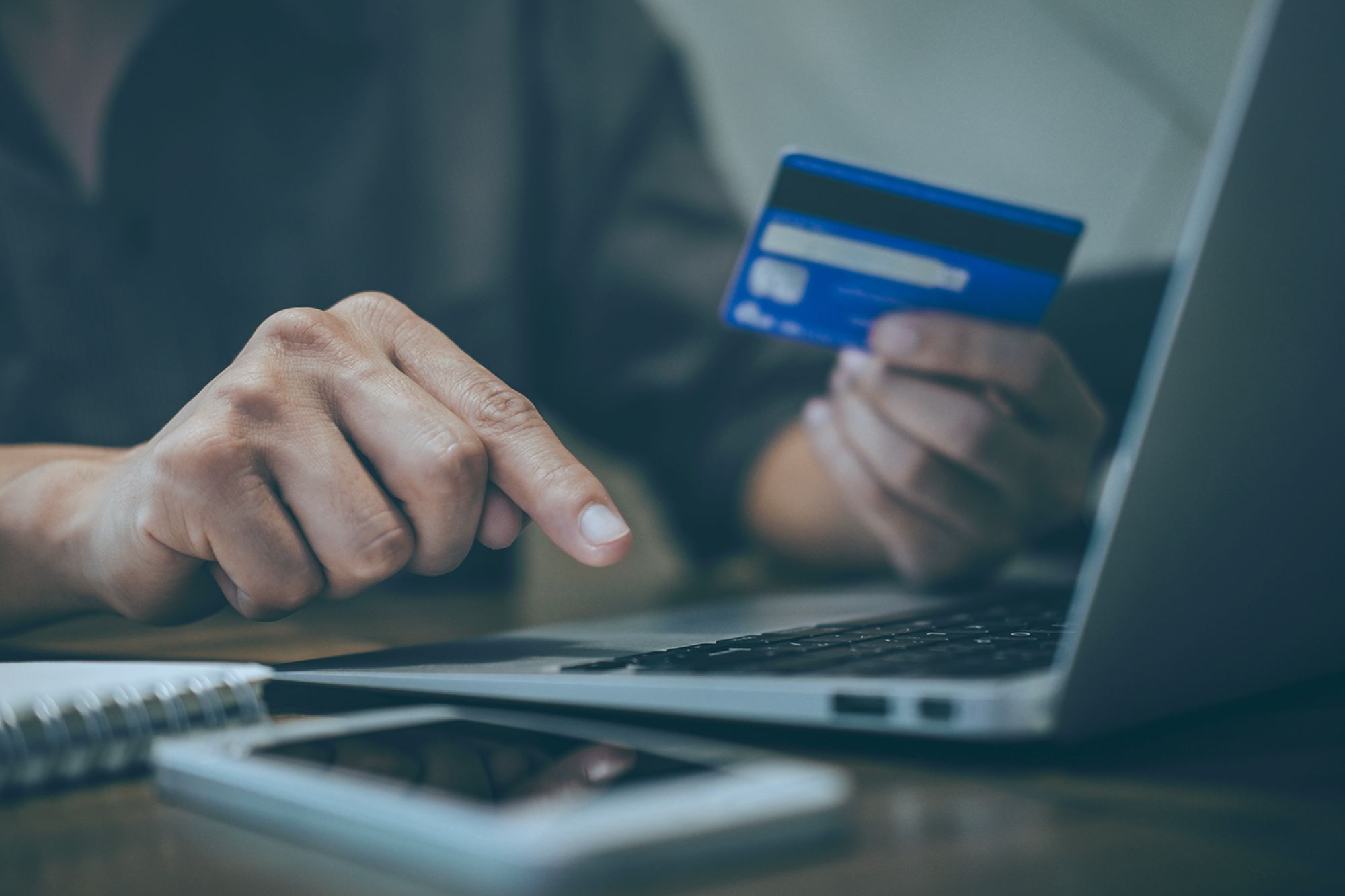
Some online retailers have been caught showing higher prices to returning customers than to first-time shoppers, or offering better deals only to people arriving from certain websites.
Your neighbors might be paying less for the same groceries you buy every week. In the age of “surveillance pricing,” the cost of an item is being determined by your personal information. Companies are using your personal data to figure out how much they believe you are willing to pay. Now everyone from lawmakers to online influencers are starting to fight back against what many see as algorithmically driven price gouging.
Surveillance pricing is what happens when companies track who you are, where you live, the devices you use and your purchase history, then quietly adjust online prices based on that data. The profiling begins as soon as someone lands on a product page. Your preferred browser, your zip code, how long you spend on product pages — it’s all part of the equation. The more companies know, the more they can potentially charge you.
Surveillance pricing is not the same thing as surge pricing, the practice of temporarily raising prices during spikes in demand or lack of supply. The big difference is transparency.
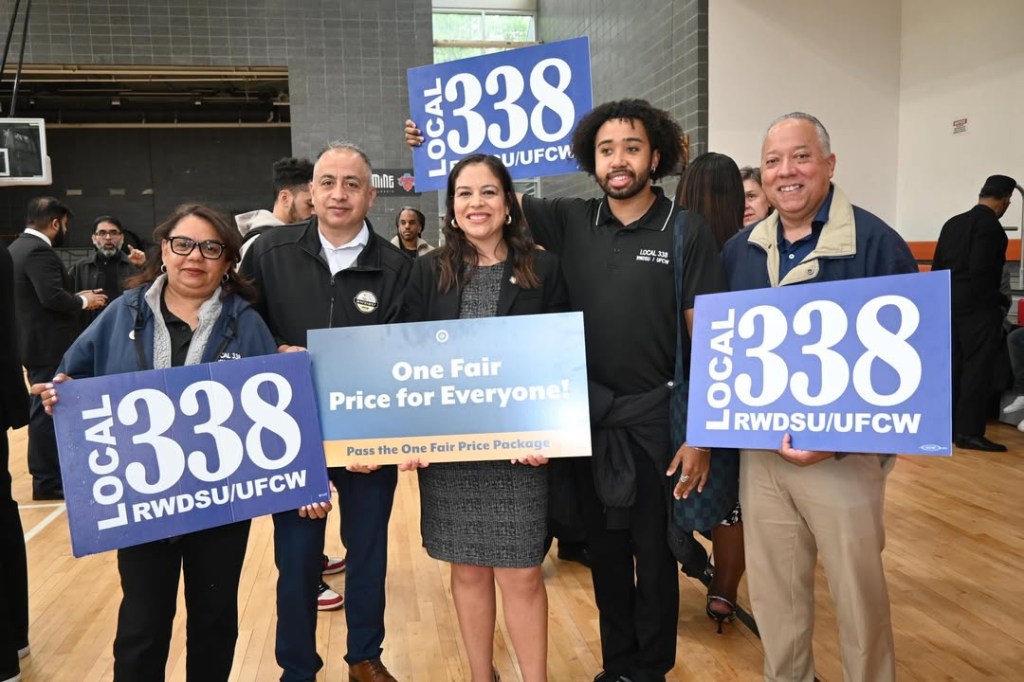
If it is signed into law, New York’s One Fair Price Act will make the Empire State the third to take official action against surveillance pricing. Assemblymember Emerita Torres /Instagram
“When using a rideshare app like Uber or Lyft, everyone sees the same pricing and companies [typically] disclose when and why prices are being inflated,” says Michael Lai, CEO of SmartCustomer, an online consumer-protection platform. In contrast, “surveillance pricing is invisible and personal. Two people can add the same item to their shopping carts at the same time and see completely different prices, and neither is aware of what happened.”
Those algorithms don’t ask “What’s the price?” They ask “What’s your price?” If you’ve checked the same flight three times in a day, the system may tag you as eager. If you live in a wealthy neighborhood, it may assume you can afford more. Some travelers report different prices when checking flights from a phone versus a laptop, or from a private browsing window versus a regular one.
With any luck, it will backfire. “Surveillance pricing is the intersection of two things Americans hate: being spied on and being overcharged,” Lindsay Owens, author of the upcoming “Gouged: The End of a Fair Price — and What That Means for Your Wallet,” told The Post.
Some entities will judge you by the brand of computer you log in with. “If a company knows that you are doing some online shopping and you’re using an Apple device, they may raise the price for you,” Tom McBrien, counsel at the Electronic Privacy Information Center, told The Post. “It’s like, any Apple users, we’re going to treat them different than PC users based on our understanding that Apple users are going to be higher income, and so they would be less price sensitive.”
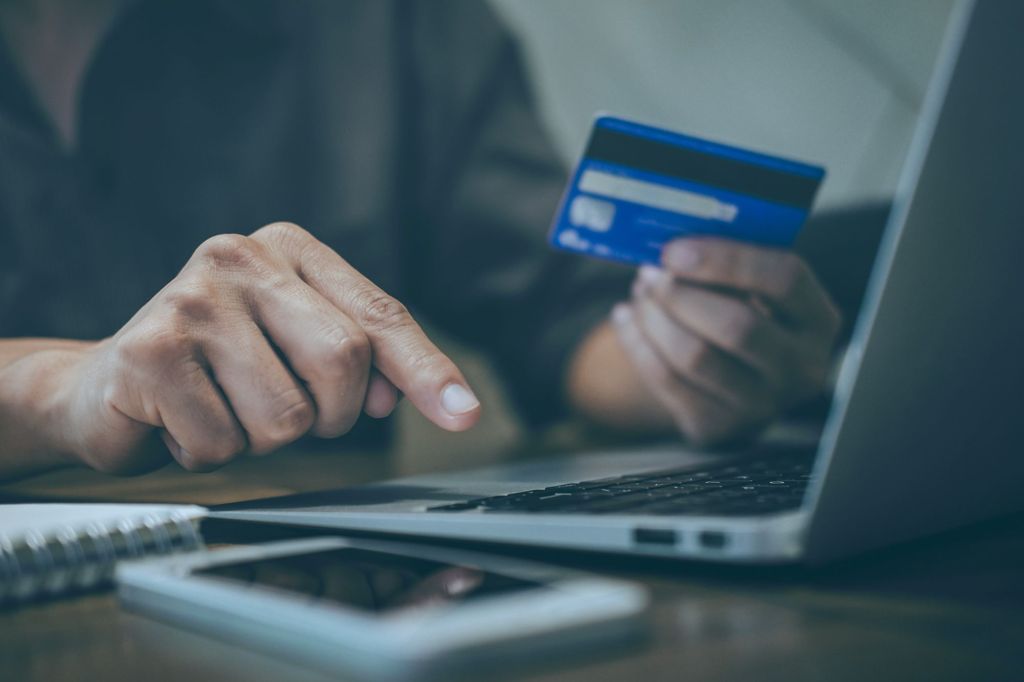
Some online retailers have been caught showing higher prices to returning customers than to first-time shoppers, or offering better deals only to people arriving from certain websites.
Describing that approach as “blunt,” McBrien points out that there are more sensitive approaches as well. “One ride-sharing service,” he said, “applied for a patent to see a person’s battery level. If they have a low battery level, they might be more desperate to get a ride.”
Clint Henderson of the travel site The Points Guy says surveillance pricing is outrageous and unfair. Fortunately, he has not seen much evidence of widespread usage by airlines, cruise lines or hotels. But thanks to frequent-flier programs, elite status and co-branded credit cards, airlines already have a stockpile of personal data on their customers.
“Airlines and hotels dynamically price everything already and they’ve gotten better [at] figuring out what the markets will bear and what consumers will pay,” says Henderson, adding that carriers have always targeted certain types of travelers based on patterns. “Airlines used to charge more for tickets that didn’t include weekends because they assumed those were business travelers who were willing to pay more,” he notes.
Advertisement
Some online retailers have been caught showing higher prices to returning customers than to first-time shoppers, or offering better deals only to people arriving from certain websites.
In the age of surveillance pricing, customer loyalty may prove to be costly. The Washington Post was just hit with a class-action lawsuit accusing the Jeff Bezos-owned newspaper of forcing certain subscribers to pay more based on their reading habits and demographic information. Ironically,WaPo’s former columnist Geoffrey A. Fowler wrote last year about seeing the data that Starbucks harvested on him via its reward program.
The bottom line? “The more loyal I was,” he wrote, “the fewer discounts I got.”

Clint Henderson of the travel site The Points Guy says surveillance pricing is outrageous and unfair. Thanks to frequent-flier programs, elite status and co-branded credit cards, airlines already have a stockpile of personal data on their customers. Clint Henderson /Instagram
Age plays a role, too. Older adults are an ideal target for surveillance pricing because of their demographic and behavioral characteristics, according to David Fesman of Med Mart, a medical equipment business. “Purchasers of medical equipment are quicker to activate algorithms for pricing,” Fesman says. “The demand for lift chairs, stair lifts, or mobility scooters are indicators of need and few options, which increases the personalized price.”
So what can consumers do to avoid getting price gouged by an algorithm? Some of the most effective hacks are rather easy to pull off, observes Heidi Carney, executive vice president of marketing at True Citrus Company. All are meant to reduce the data flowing to companies.
The first: Use Incognito or private mode on your browser before you start shopping. Also, clear the cookies in-between sessions, log on to shopping sites as a guest, use a VPN to mask your location data (which, according to Owens, “can be a proxy for your income”) and switch devices to compare prices. “I’ve personally tested prices across devices on the same platform and found meaningful gaps on identical products,” Carney says.
McBrien does things the Carney way, plus he goes one step further. While acknowledging that avoiding the vigilant eye of surveillance “can be a game of Whack-a-Mole,” not volunteering for it can help: “When you don’t sign up for loyalty or rewards programs, it makes it harder for companies to collect a history of your purchasing habits and browsing data. But, even if you don’t sign up, they can still use online trackers and data brokers.”
Being proactive can even remove some of the sting. “Most US airlines will give you a trip credit for the price difference if the fare drops between when you purchase the tickets and when you fly,” adds TPG’s Henderson. “I’ve saved almost $1,000 this year by watching prices on purchased tickets and then asking for trip credits when the fare drops.”He also suggests travelers use AI-powered tracking tools such as Junova and pAiback to avoid overpaying. “Both have automatically gotten me trip credits for flights on Delta, American Airlines and Alaska Airlines,” Henderson says.
Some lawmakers are fighting back. New York state legislators passed the One Fair Price Act on June 4. The bill bans businesses from setting individualized prices for consumers based on their personal information. If Governor Hochul signs it into law, the Empire State would join Connecticut and Maryland as states that have taken official action on surveillance pricing.
The best way to fight back against this targeted price manipulation may be through good old-fashioned outrage from the people we elect into office. “I feel very strongly that it should not be the consumer’s job to duck and dodge and bob and weave to beat the machine,” said Owens. “I think policymakers have to step in, set the rules of the road and restore fair pricing practices in this country.”
Additional reporting by Michael Kaplan
Source: “AOL Money”
