


The £343m Champions League gulf that shows how far United are behind City
The £343m Champions League gulf that shows how far United are behind City

James DuckerThu, September 10, 2026 at 6:30 AM UTC
0
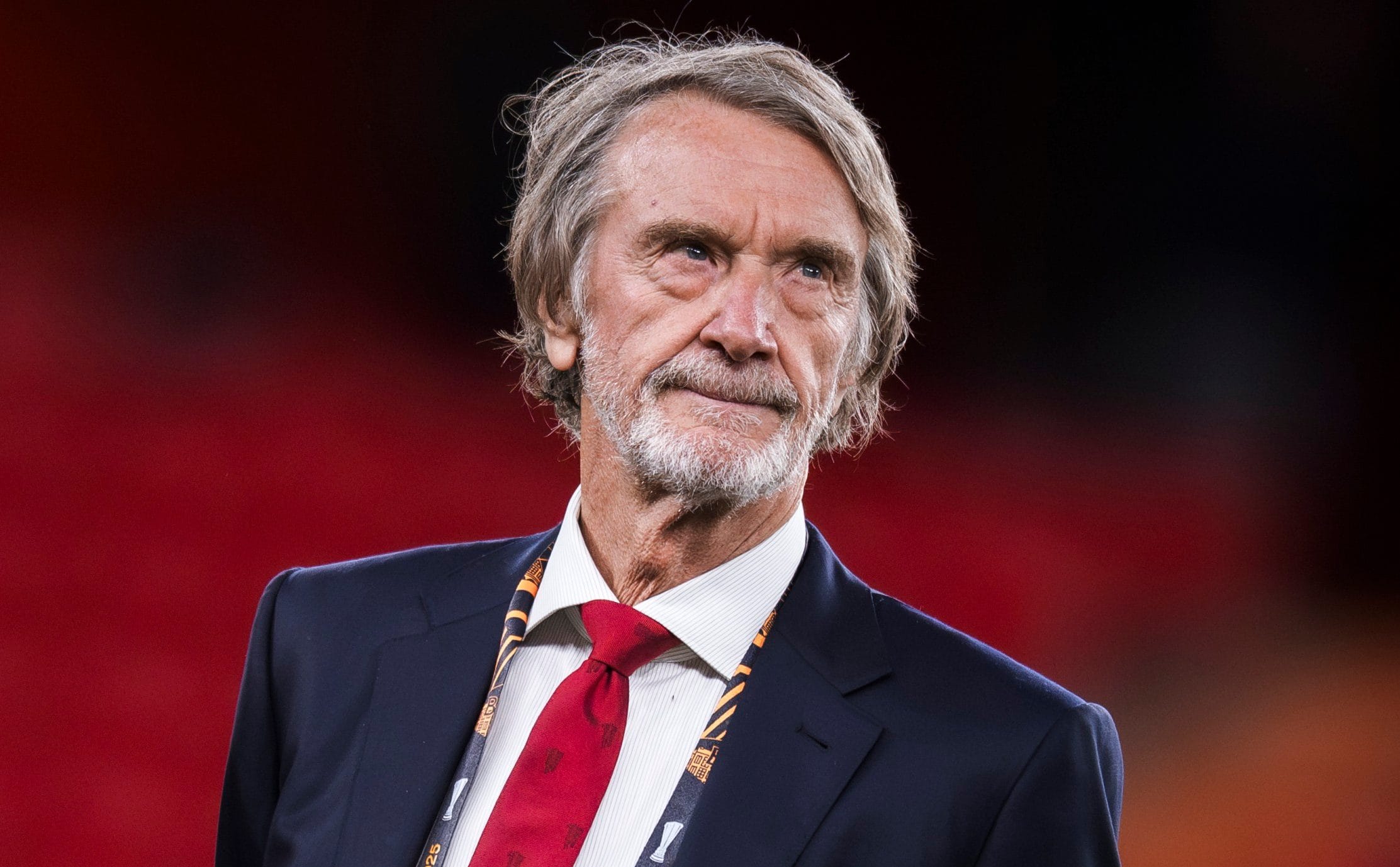
Manchester United embark on their first Champions League campaign since Sir Jim Ratcliffe bought a stake in the club - Getty Images/Nicolo Campo
At 8pm on Thursday night, Manchester United will kick a ball in the Champions League for the first time in three seasons.
It must mark the start of a permanent return to Europe’s premier club competition. If United are serious about once again challenging for the Premier League title and building a £2bn stadium, that must be the way going forward.
This is only the eighth time in 13 campaigns that United have been in the Champions League and the implications have been significant.
To put their struggles in context, United’s game against little-known Sabah of Azerbaijan will be only their 55th match in the Champions League since Sir Alex Ferguson retired in 2013.
Manchester City, by contrast, played their 134th Champions League fixture over the same period against Porto on Tuesday night in what was the start of their 16th consecutive campaign in the competition.
The numbers become more startling when you consider that, over the 10 years between 2016 and 2025, City generated £343m more in broadcast revenue and prize money from European football than the derby rivals they will face at Old Trafford on Sunday. That is the equivalent of three Elliot Andersons, more or less.
Put another way, that annual differential between the clubs is similar to United’s yearly interest bill financing legacy debt from the Glazers’ ruinous 2005 takeover.
As important as the money is, regular Champions League involvement points to a club being on the right track.
It represents a degree of consistency and stability. It suggests you are not frittering away tens of millions on the wrong players every year. It is a foundation from which to build season after season.
It can also potentially help unlock other doors. You have a far better chance of competing in the money-spinning Club World Cup, for example, if you have been doing well in the Champions League.
Michael Carrick knows as much. “It’s not something [Champions League qualification] that you can take for granted what it takes to be there and what it takes to stay there,” the United head coach said before the Sabah game, when he must weigh up whether to start Luke Shaw after giving the left-back an additional recovery day on Wednesday.

Michael Carrick will oversee United’s latest Champions League campaign - Getty Images/Ash Donelon
“We’ve missed out on it for a number of years and now we’re back so it means a lot. It’s where we want to be every single year and it’s where we should expect to be without being ahead of ourselves. It’s what we have to push for, it’s the standards that we want to set and it’s up to us to be able to do that.”
Advertisement
Consider first how United have fared yo-yoing between the Champions League and Europa League, or no European football at all, during the past 13 years and what has happened to their rivals in that time.
Now consider how things might look if that kind of course continued into the future but with a new stadium to finance on top of a squad (in an age of escalating transfer fees) and the club’s long-standing debt obligations. It is difficult to make the maths add up.
United – who have played three fewer Champions League knockout-round matches than Tottenham Hotspur since Ferguson left – have struggled to produce a competitive team while wrestling with their Glazer-induced debt mountain.
Since buying a minority stake in the club in 2024, Sir Jim Ratcliffe has shed more than 400 jobs and driven down costs to stymie losses and get United on a fairer financial footing.

Ratcliffe has overseen a jobs cull at United as part of a major restructuring drive - Getty Images/Ash Donelon
In June, United announced they had added a further $125m (£92m) in long-term debt after refinancing $425m of pre-existing debt that was to be repaid next year.
The new $550m bond, issued at a higher rate of 5.36 per cent, means United could face an additional £10m in interest payments each year.
As of late May, before the latest £155m investment in the transfer window, United had also drawn down £150m of their revolving credit facility and had a net transfer debt of £360m, of which more than £200m is due within the next 12 months.
In the past five weeks, United have announced a training-kit deal with Betway worth about £20m annually and a multi-million-pound sleeve partnership with financial technology company SumUp.
Such commercial contracts are important but their added value is downgraded if United fail to qualify for the Champions League every other season and incur a financial penalty from sponsors such as Adidas in the process.
Over the summer, United secured 25 acres of land 350 metres north-west of their existing Old Trafford home in what was described as a “significant milestone” in their ambitious plans for a new stadium and surrounding district.

United hope to move into their new stadium by the 2030-31 season - PA
If that project is going to come to life and not remain in the artistic impressions phase, there are going to be sacrifices along the way.
But being in the Champions League every season would at least help to mitigate some of them. It is by no means an answer to all of United’s ills, but its revenues feel like a necessity if United are to stand a chance of realising some lofty ambitions.
Source: “AOL Money”
