


The LinkedIn hellscape just got worse
The LinkedIn hellscape just got worse
Andrew OrlowskiMon, July 13, 2026 at 6:00 AM UTC
0
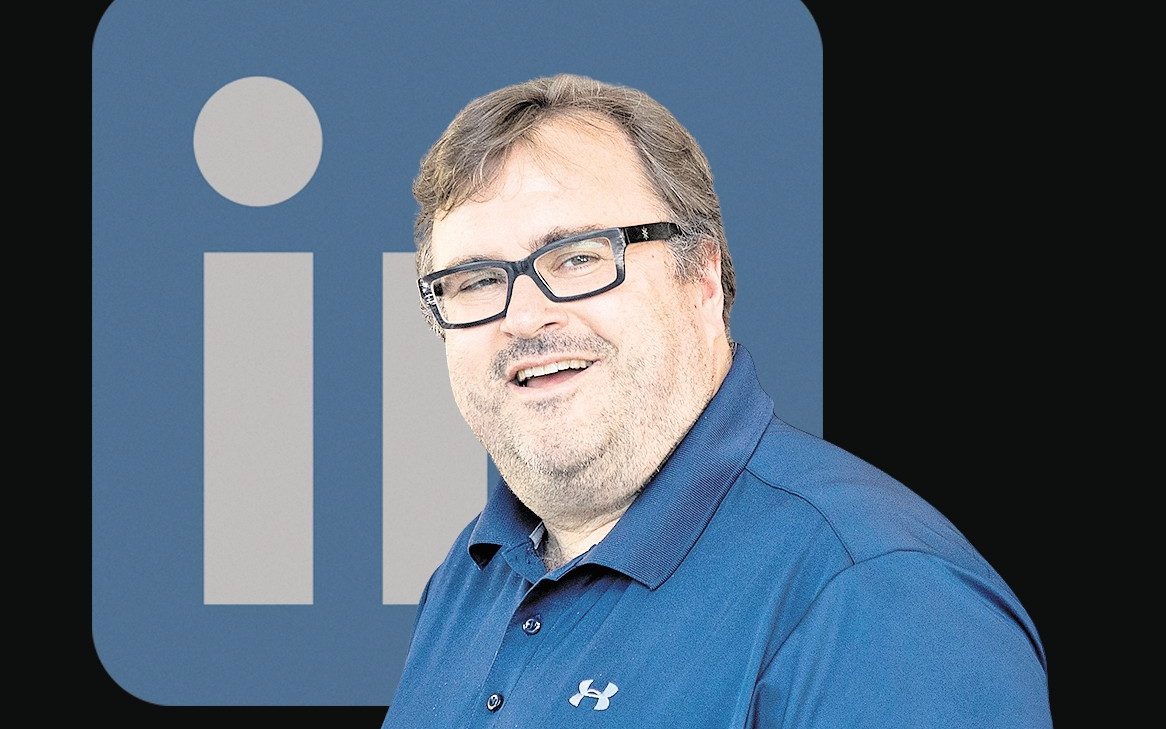
Reid Hoffman, the founder, boasted that LinkedIn ‘transformed how people found jobs’ but it’s now more of a performative zoo - Drew Angerer/Getty
Did you know that with this one small hack you can double your sales? It’s something no one has ever thought of before. I heard it from a bona fide “growth hacking ninja”.
Welcome to LinkedIn, the platform that everyone hates to use, but feels they must. It’s a kind of performative zoo, a surreal parallel universe. Reid Hoffman, the founder, boasts that LinkedIn “transformed how people found jobs, connected with others, and shared knowledge”, which I suppose it did, in the same way Herod transformed early-stage childhood.
Acquiring the world’s default corporate directory has been very good for Microsoft. It’s a cash cow, generating $17.8bn (£13.3bn) from 1.2 billion users last year, according to its chief executive.
But is it good for us?
On the positive side, a handful of accounts provide great value. Thoughtful posters have made it their front room, and muse aloud. Their contributions are focused on their professional domain and mercifully free of politics or trivia. But for every one of these there are thousands of spammers and chancers, vying for attention.
LinkedIn has a new problem, however. Data gathered by the AI text detector Pangram shows that more than two in five long-form posts are generated by AI, more than on any other social media network.
Microsoft has only itself to blame for the invasion of slop, having been the first platform to encourage users to “Write with AI”.
It’s not like people needed any encouragement. LinkedIn is where people already boasted about working on weekends, turned the death of a pet into a motivational nugget for the sales team, and garnished a minor promotion with an Oscar speech. And where dubious “founders” with a Ferrari operated from an internet café.
Lucky LinkedIn was blessed with good timing: it could reflect and then monetise huge changes in the workplace.
In the 1970s, the independent consultant was a rarity, but in the 1980s, vertically integrated companies shed their baggage and broke up, creating a large freelance class of independents and small businesses.
This was not a bad thing in itself: in TV, an explosion of new companies suited the new, looser associations. Marketing would follow, and then came the internet, where no one knows you’re a dog, or a sales expert. All these independents needed to put themselves in the shop window, and the platform rewarded exaggeration.
“It’s not bragging. It’s branding,” insists one LinkedIn career guru. The result is like being locked into the most excruciating all-hands meeting.
Advertisement
LinkedIn also gave birth to a bewildering number of new, nonsensical job titles, such as “growth hacker ninja”, “network sherpa” or “chief inspiration officer” that surely only existed on LinkedIn. And for every real chief executive there were dozens of “CEO coaches”.
Embracing fads also became a hallmark of the site, a way for the atomised army of independents to feel they belonged to something. And it even gave birth to our first LinkedIn PM, Rishi Sunak.
“What LinkedIn’s consultant class had done for business, it was now doing for government,” I wrote in 2023. Sunak had wanted to stage a summit to showcase the UK’s technical prowess, and mulled space and telecoms as themes before choosing AI. Which is the most faddish and LinkedIn of the three choices he could have made.
Then it morphed into a summit about science fiction scenarios of apocalyptic AI doom – an idea given to him by shadowy networks of influencers who had long been besotted with the idea, and now Sunak is an adviser to one of those AI companies, Anthropic. This is an uplifting LinkedIn ending to the story: he really should make a motivational post about it on LinkedIn.
But there is a cost.
As Pangram’s chief executive Max Spero has pointed out, nothing comes free: “AI content is a tax on readers’ time.”
The ‘network effect’
At first, LinkedIn carefully curated its user base to attract recruiters. You could only reach strangers through known intermediaries, or if you already had their contact information. But over time that rigour was abandoned. Spero notes that other social networks, for example Reddit, downgrade the AI-generated content, but LinkedIn does not seem to care.
Another cost is the personal toll. Seeing a constant parade of career triumphs has led people to evaluate their own more negatively, increasing anxiety and depression, and made people less trusting, research has found.
LinkedIn knew something early on, which is that no matter how awful the network, we must go where the people are, which is called the network effect. We hate ourselves for using it, but it’s a professional necessity.
More recently I’ve seen the trend of the reluctant visitor, typically only using a forename and initial. This is the ultimate form of bragging – they have all the social-network connections they already need, and are only patronising us with the most minimal biographical entry allowed.
So LinkedIn is getting worse, but does it have to be so awful at all?
Maybe not. Microsoft has been cleaning up other parts of its estate. It’s vowed to make Windows do what its users want, rather than jamming it full of AI prompts and ads. Perhaps it could do the same for LinkedIn. We’d all be grateful.
Source: “AOL Money”
