


Trump Administration to Slash Workplace Protections for Pregnant Employees: Report
Trump Administration to Slash Workplace Protections for Pregnant Employees: Report

Angelique BrenesTue, November 3, 2026 at 3:27 AM UTC
13
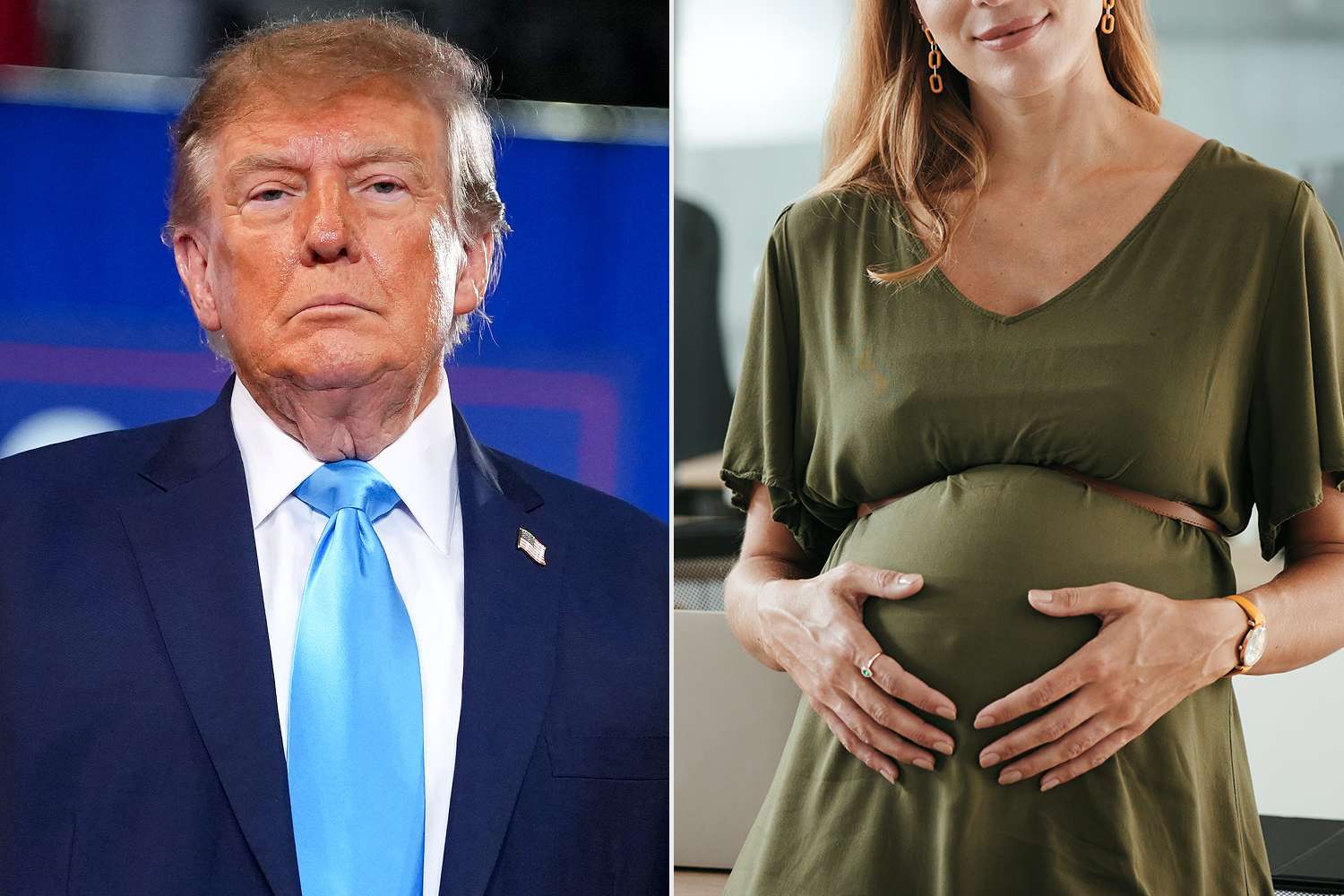
President Donald Trump; stock photo of pregnant womanCredit: Eric Lee/Getty; Getty -
The Trump administration is reportedly planning to narrow workplace protections under the Pregnant Workers Fairness Act, including accommodations for certain reproductive health conditions
Current protections include accommodations such as additional bathroom breaks, schedule changes, lighter duties and time off for prenatal appointments
The proposed revisions could affect accommodations related to abortion and fertility treatments
The Trump administration is preparing to scale back certain workplace protections for women related to pregnancy and reproductive health, potentially narrowing the types of accommodations employers are required to provide.
The proposed changes would revise regulations under the Pregnant Workers Fairness Act (PWFA), a federal law that requires covered employers to provide reasonable accommodations to qualified employees experiencing limitations related to pregnancy, childbirth or related medical conditions, unless doing so would cause an undue hardship.
The changes could affect which reproductive health conditions qualify for workplace accommodations, including abortion and fertility treatments, The New York Times reported on Monday, Nov. 2.
The Equal Employment Opportunity Commission (EEOC), which oversees the law’s regulations, has listed proposed revisions to the PWFA in the federal government’s regulatory agenda. Among the changes being considered is a revision to how the agency interprets the phrase “pregnancy, childbirth, or related medical conditions.”
The PWFA was passed by Congress in 2022 during the Biden administration and went into effect on June 27, 2023. The EEOC issued its final regulations implementing the law in April 2024, with the rules taking effect that June.
Under the current regulations, covered employers are generally required to make reasonable adjustments for qualified employees experiencing pregnancy-related limitations. Those accommodations can include additional bathroom breaks, permission to carry water or food, a stool for employees who need to sit while working, schedule changes or time off for prenatal appointments, according to the EEOC.

U.S. President Donald Trump walks on the South Lawn as he departs the White House on October 12, 2026Credit: Aaron Schwartz/Getty
Other examples include temporary reassignment, lighter physical duties, remote work, changes to uniforms or safety equipment and leave following childbirth, according to the agency.
The law also prohibits employers from requiring employees to take leave if another reasonable accommodation would allow them to continue working. Employers cannot deny job opportunities because an employee needs an accommodation or retaliate against workers for requesting or using one, according to the EEOC.
The proposed revisions could change how broadly those protections apply, particularly when it comes to medical conditions that are related to reproductive health but do not involve an ongoing pregnancy.
Advertisement
The current regulations also extend to a range of medical conditions and procedures related to reproductive health. These include miscarriage, postpartum depression, lactation, abortion, fertility treatments, endometriosis and menstruation, according to the EEOC.
The Trump administration is also considering expanding religious exemptions that could allow employers to deny workplace accommodations for certain reproductive health-related conditions if providing them conflicts with the employer’s religious beliefs, the Times reported.
One area of debate involves abortion-related accommodations. Under the current regulations, covered employers may be required to provide accommodations for employees seeking abortions, including time off for the procedure and related travel, according to the publication.
The White House is seen in Washington, D.C., on November 2, 2026Credit: Mehmet Eser/Anadolu via Getty
The issue has drawn particular attention since the Supreme Court overturned federal abortion protections in 2022. Abortion is now banned or restricted in 13 states, and some women travel across state lines to obtain the procedure, the publication reported.
Research has also examined the relationship between workplace accommodations and pregnancy outcomes. In a 2025 study by the University of Wisconsin-Madison, researchers found that the PWFA was associated with a 3.2% increase in births in states newly covered by the law.
— sign up for PEOPLE’s free daily newsletter to stay up-to-date on the best of what PEOPLE has to offer, from celebrity news to compelling human interest stories.
The EEOC’s regulatory agenda lists November 2026 as the anticipated date for publishing a proposed rule, with the public comment period expected to end in January 2027.
PEOPLE has reached out to the White House and the EEOC for comment.
on People
Source: “AOL Breaking”
