


We Energies expected to raise residential electric rates for 2027, 2028
We Energies expected to raise residential electric rates for 2027, 2028

Francesca Pica, Milwaukee Journal SentinelTue, November 3, 2026 at 7:03 PM UTC
0
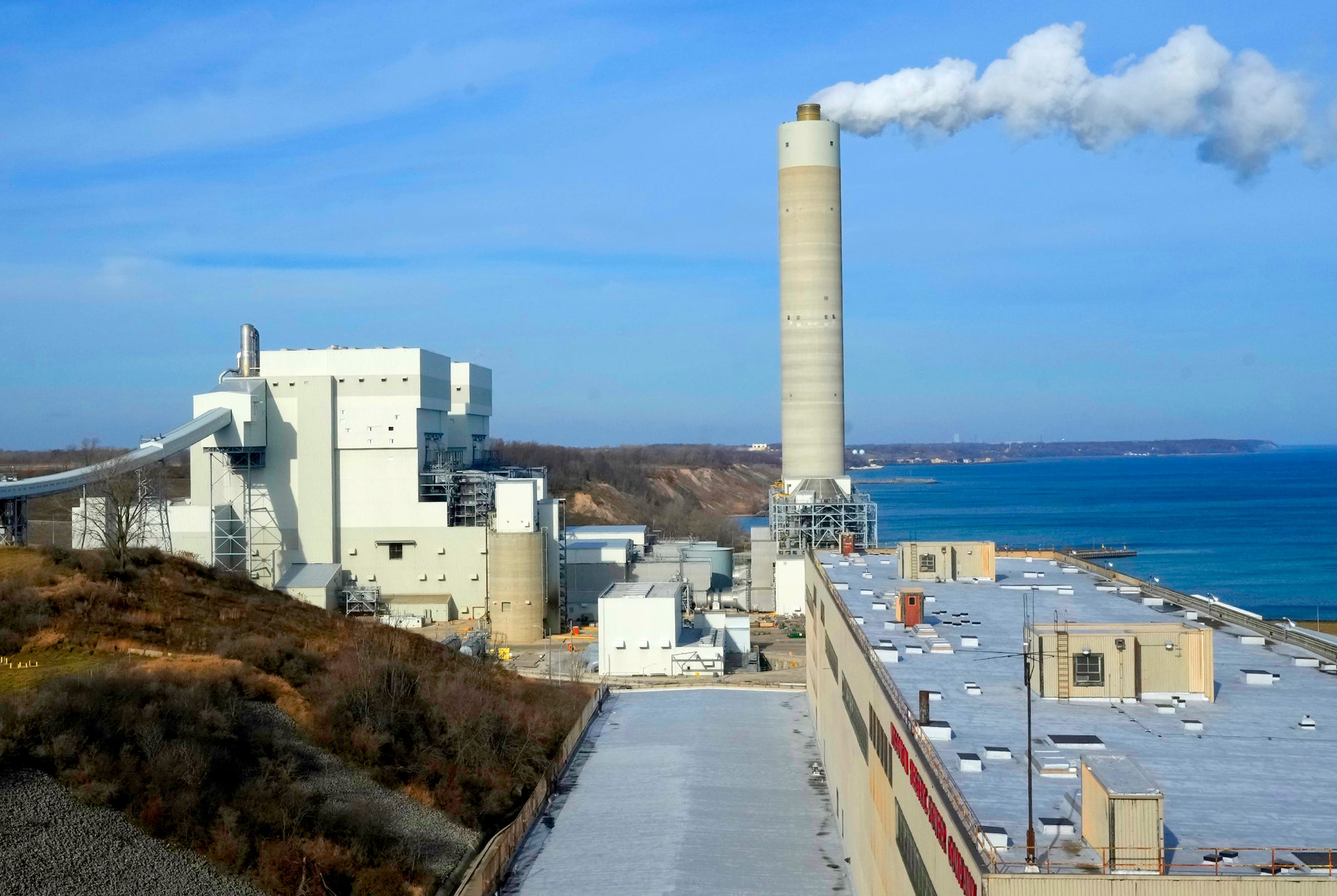
We Energies customers will likely see higher electric bills come January, and not just because of the cold or hyperscale data centers.
In the next few days, the state Public Service Commission is expected to rule on We Energies' proposed energy rate hikes for the next two years. The utility looks to raise residential electric rates 9.25% in 2027 and 5.5% in 2028.
If approved, they would represent We Energies’ fifth and sixth consecutive rate hikes. The last increase added around $15 to monthly electric bills between 2024 and 2026.
In recent rate cases, the PSC has shown a willingness to approve smaller hikes than requested by utility companies.
The PSC is also expected to decide on a 14-15% rate increase proposed by Wisconsin Public Service.
Here’s what to know:
What would the rate increase mean for my electric bill?
If approved, average residential customers would see around $13 added to their monthly electric bill in 2027, or $156 per year. Bills would rise another $8-9 in 2028, or around $100 annually.
The typical residential customer currently pays $142 per month. Under the rate proposal, it would rise to $157 in 2027 and $166 in 2028.
Residents would pay 43.4% more for electricity in 2028 than they did in 2020.
Why does We Energies want to raise electric rates?
New solar, wind, battery storage and natural gas projects account for the bulk of the rate increase, or $230 million through 2028.
The projects will help We Energies transition away from fossil fuels and meet rising energy demand, the utility says.
Smaller drivers include rising operations and maintenance costs as well as fuel costs stemming from We Energies' power purchase agreement with the Point Beach Nuclear Plant in Manitowoc County.
Critics, including the consumer advocate Citizens Utility Board, say the increase is far too steep given repeated rate hikes and residents' acute cost-of-living concerns.
Advertisement
CUB represents residential utility customers in PSC rate cases.
Are data centers driving the rate increase?
No, according to regulators and We Energies.
In April, the PSC approved the creation of a separate electric rate for large data centers. The move is intended to shield residents from the billions of dollars in new power infrastructure being built to serve the hyperscale projects.
Large data centers that power artificial intelligence account for most of Wisconsin's projected 40% increase in power demand by 2032, according to a PSC draft report.
Microsoft's Mount Pleasant campus, Vantage's Port Washington project and any future data center projects 100 megawatts or larger fall under this rate.
Commissioners made a series of changes to strengthen customer protections in the new rate structure.
“Existing Wisconsin customers should not pay a single cent to subsidize the service of data centers or very large customers, not now and not decades from now,” Commissioner Kristy Nieto said during the April 24 meeting.
Who are the members of the Public Service Commission?
The PSC is headed by three commissioners who have the power to set utilities’ electric, gas and steam rates and serve staggered six-year terms. All current commissioners were appointed by Gov. Tony Evers.
The commission can do this by tweaking a utility’s guaranteed profit on investments, or return on equity.
We Energies is seeking a 9.9% return on equity in 2027 and 2028, up from its current rate of 9.8%, citing persistent high interest rates.
CUB asked the PSC to reduce We Energies’ return on equity to 9.1%, saying it will save customers up to hundreds of millions of dollars over the next two years.
PSC staff recommended commissioners adopt a 9.5% rate.
Who are the PSC commissioners? -
Summer Strand, Commissioner Chairperson: Strand was appointed in March 2023 to serve a six-year term. Strand has a background in the construction industry, having served as director of government affairs for construction and engineering firm Walbec Group. She also worked for the Wisconsin Department of Administration, where she oversaw the State Building Program.
Kristy Nieto: Nieto worked at the PSC for over 10 years before being appointed commissioner in February 2024. She served as director of the commission's Consumer Affairs Bureau, which helps connect customers with energy assistance programs. She was also administrator of the PSC's energy regulation and analysis division, as well as the digital access, consumer and environmental affairs division.
Marcus Hawkins: Hawkins was appointed in March 2024 to fill a vacancy on the commission, and his term is set to end in 2027. Hawkins served as a senior PSC engineer from 2014 to 2016. Before becoming commissioner, he was president of the Organization of MISO States, which represents the interests of local and regional utility regulators in much of the Midwest.
Francesca Pica can be reached at fpica@usatodayco.com.
This article originally appeared on Milwaukee Journal Sentinel: We Energies expected to raise residential electric rates for 2027, 2028
Source: “AOL Money”
