


What Happens to Stocks After the Midterm Elections?
What Happens to Stocks After the Midterm Elections?

David Marino-NachisonTue, November 3, 2026 at 9:07 PM UTC
0
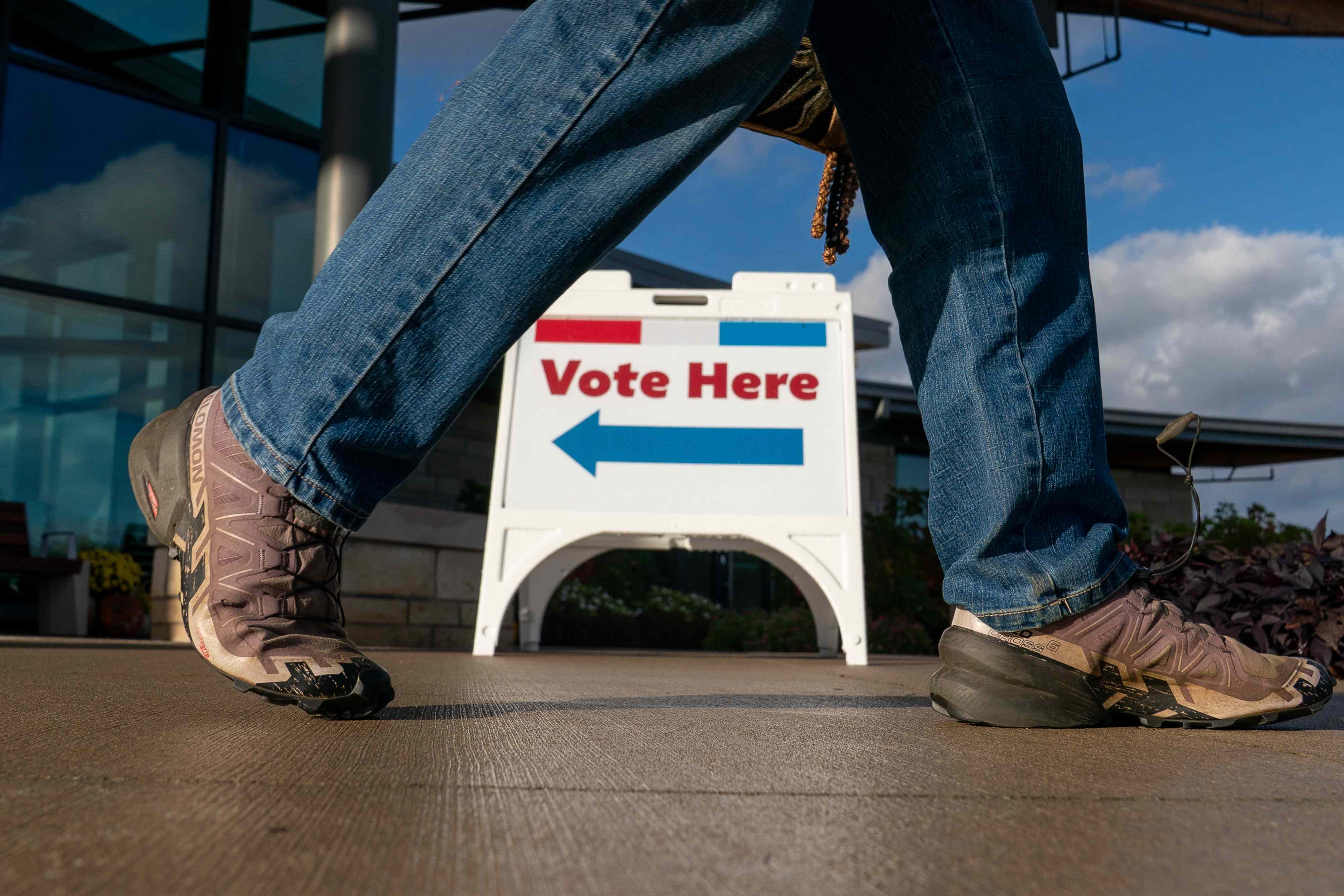
Americans headed to the polls across the U.S. today.Credit: Nick Oxford / Bloomberg via Getty ImagesKey Takeaways -
Midterm results could shift policies that move specific stocks, commodities and cryptocurrencies.
At a stock-market level, though, many experts believe the outcome of such elections has a limited effect on returns.
Americans voted today. Tomorrow they’ll deal with the aftermath.
For investors, there are plenty of reasons to believe Tuesday’s electoral outcomes could affect federal and lower-level U.S. policy. They might well lead to near-term changes in the price of specific stocks helped or hurt by policy decisions; of commodities like oil and gold affected by geopolitical or economic news; or even cryptocurrency. At a market level, BlackRock recently wrote, stocks tend not to have their best results in midterm election years.
But many market experts think that, by and large, who’s in charge—President Donald Trump will still have half his term to serve, but today’s votes could adjust the balance of power in Congress—may not matter much to investors’ portfolios.
Bespoke Investment Group has urged a cool head, noting that since the Great Financial Crisis, despite a range of different combinations of party primacy in Washington, stocks have continued to rise. “While power in DC has changed hands again and again, there has been one constant: the S&P 500 has risen during every one of the last nine sessions,” its analysts wrote.
Advertisement
And Franklin Templeton recently said that under Republican presidents, the composition of Congress after the midterms seems to have comparatively little effect on returns: The average 12-month return for stocks, no matter how the houses are arrayed, has been around 15% since the 1950s.
The stock market has not declined between Nov. 1 in a midterm year through April of the next year since the 1930s, according to SentimenTrader. (All this said, however, historical precedent is just that; it’s not a prediction.)
The benchmark S&P 500 index snapped a three-day losing streak on Tuesday. Read Investopedia’s full coverage of today’s markets here.
Summary List
Go beyond the day’s market moves with Investopedia’s Value Add, where you’ll find sharp analysis, investing ideas, and practical guidance on what today’s biggest financial stories could mean for your money. Explore Value Add and subscribe on Substack.
on Investopedia
Source: “AOL Money”
